1 – 4 August 2019
On the drive to Cartagena we did some (somewhat belated) research about the city. It wasn’t really on the regular tourist trail around Spain and we had chosen it for its proximity to a Flamenco festival that was taking place in nearby La Union. When we mentioned that we were heading down here for 3 days, some Spanish friends had looked at us quizzically and quickly changed the subject.
It turns out the city has an incredibly rich and interesting history which basically boils down to this: they have a perfect natural harbour, conveniently located on the western Mediterrean, and are rich in natural resources (silver, lead, iron and zinc in particular). Prime for the taking for whatever Empire which happened to be in dominance around the Med throughout history.
And that’s basically what happened.
After being established in 250 BCE by the Carthagians, it had the pleasure of becoming part of the Roman Empire shortly thereafter, before becoming Moorish in the 8th century, back to Spanish in the 13th and was heavily raided by the British in the 15th century. It was also the naval base for the loyalists in the Spanish civil war and continues to be a key naval base and ship building facility for the country.
It seemed that each chapter in the city’s history marked a change of name (from Qart Hadasht to Carthago Nova to Qartayannat al-Haifa then to Cartagena) and no doubt imprinted itself on the city’s psyche.
We were excited to explore.
As we drove in, we took note of the architecture. At first glance, the old town felt almost colonial in style, a bit like Cuba or Grenada in Central America. Some of the buildings were beautifully maintained, like you would typically see in Barcelona or Madrid, many were vacant and crumbling, a surprising amount weren’t there at all, with nothing but a scaffolded facade to maintain the illusion of what was once was. Disturbingly live looking wiring hung lazily from crumbling walls, doubtless more aligned to Cuban safety standards than EU ones. Stunning colonial lamps hung from lampposts and unstable masonry, daring us to sit beneath them (we didn’t).
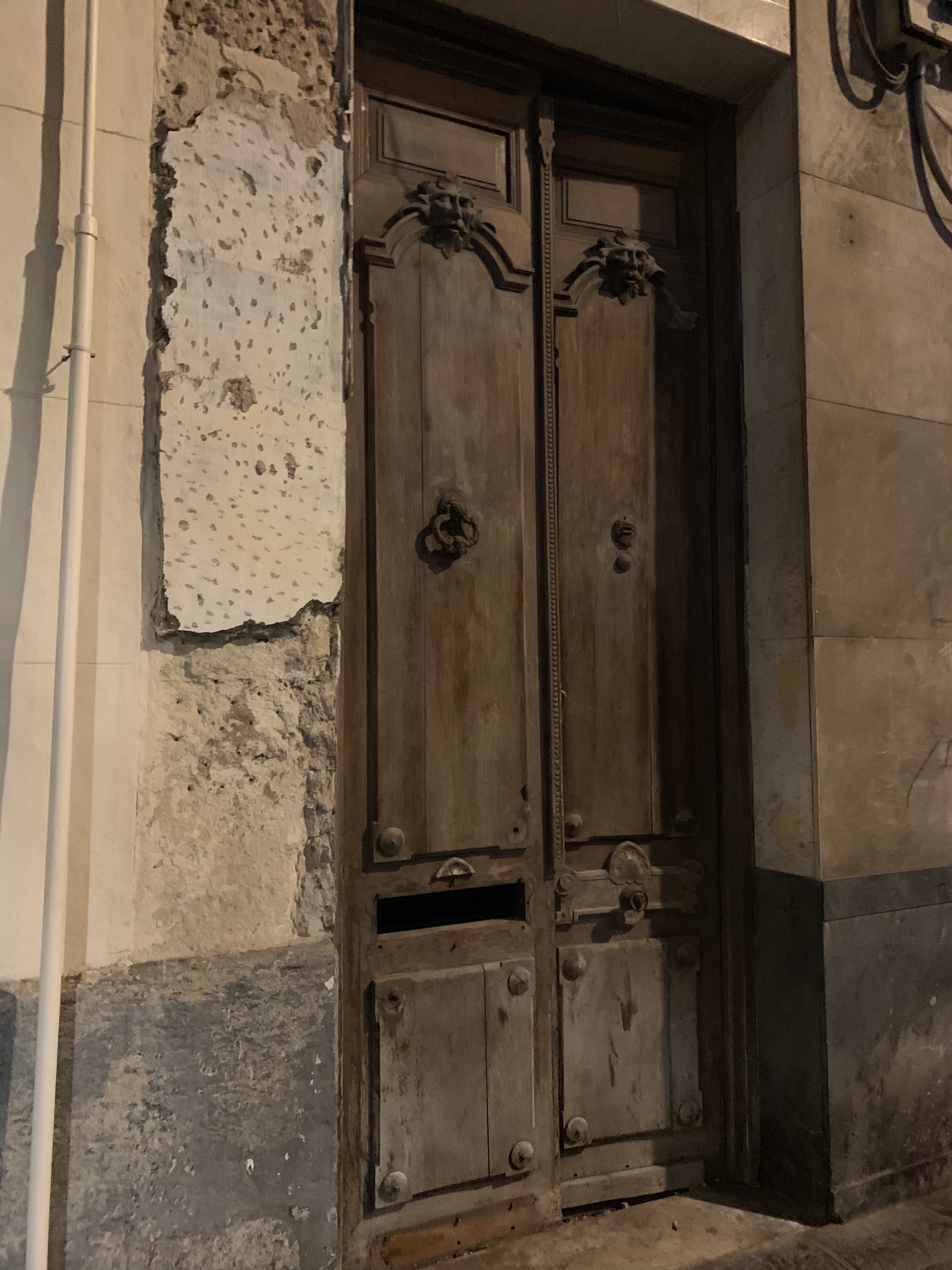
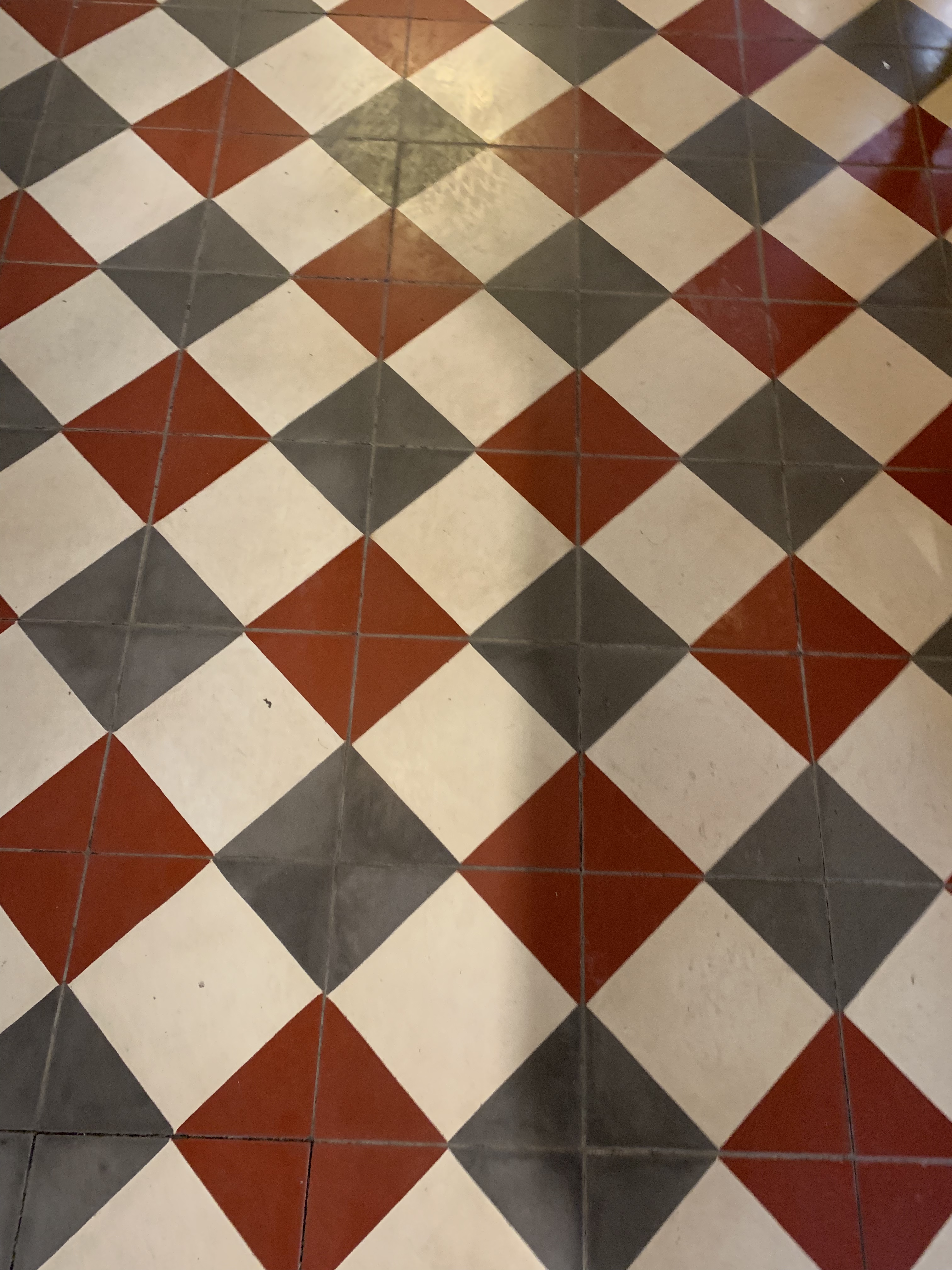
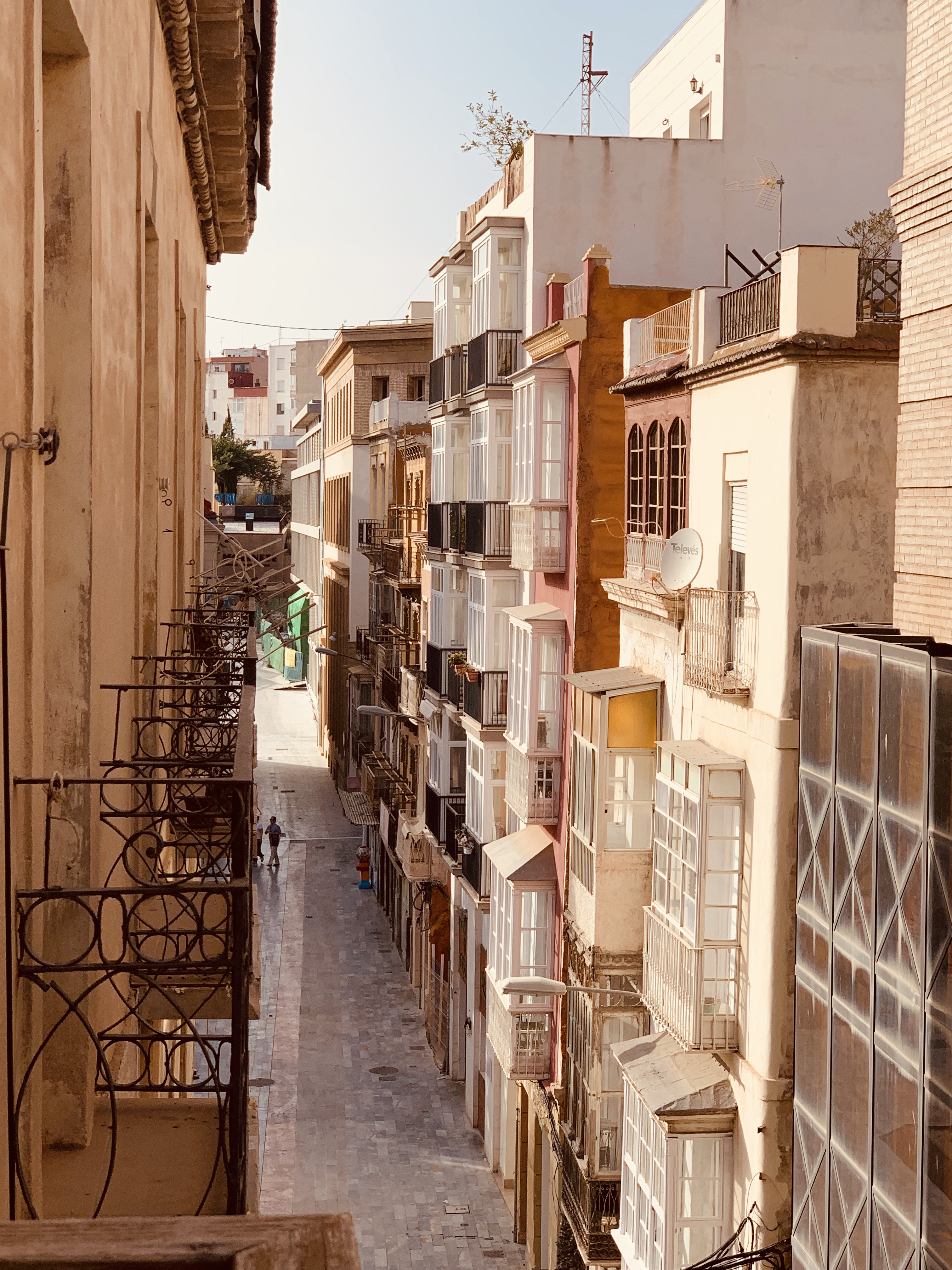
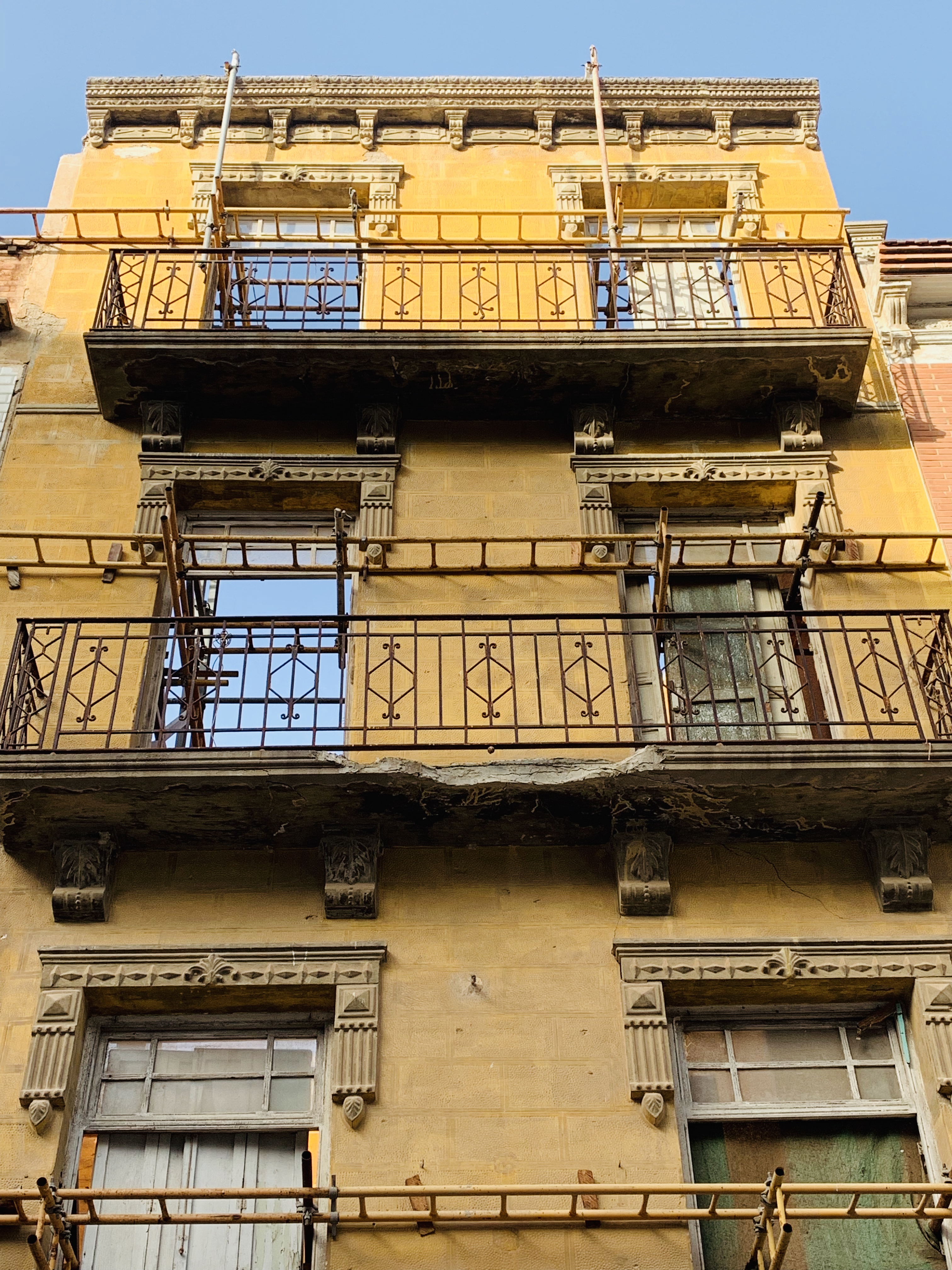
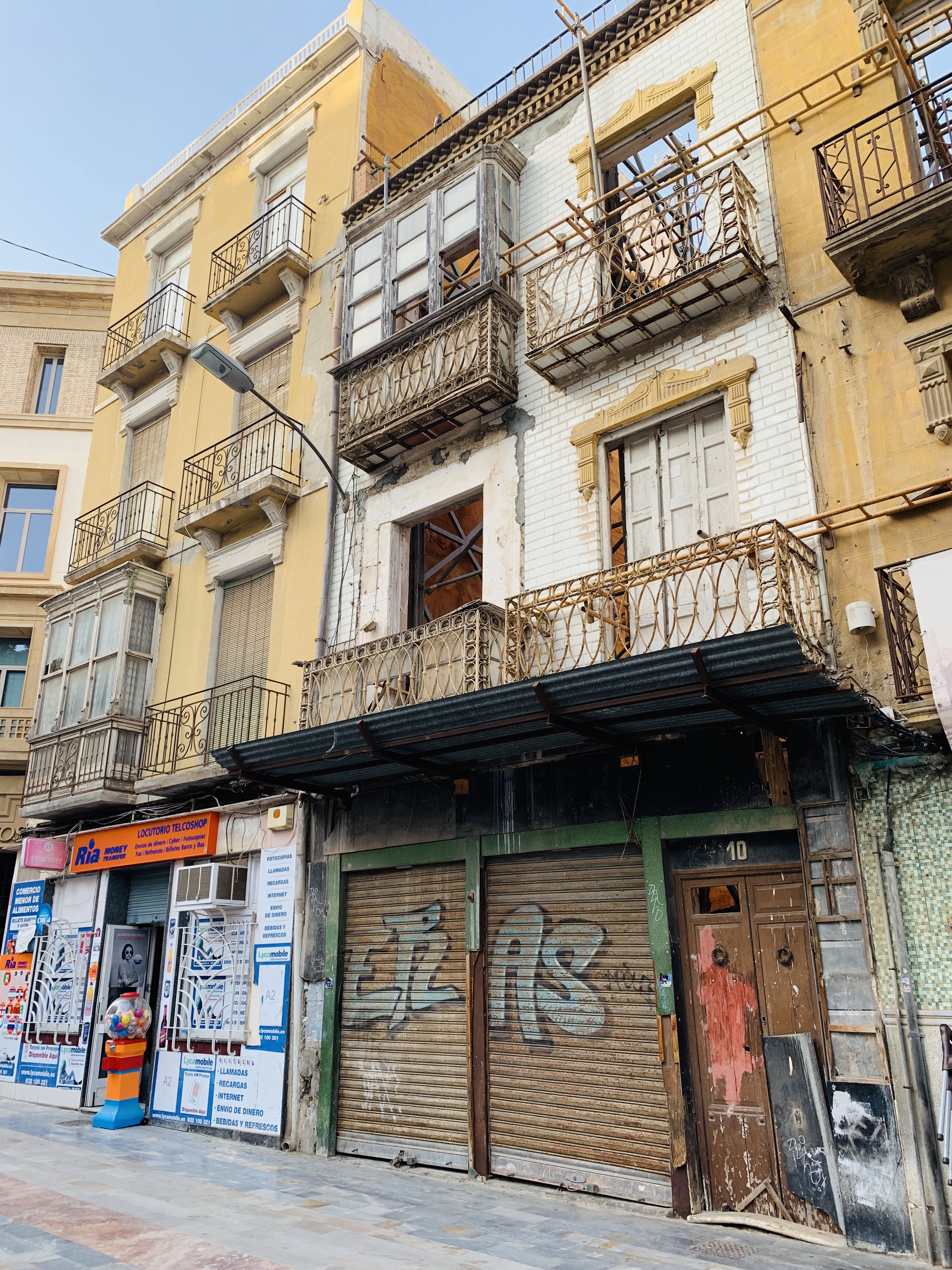
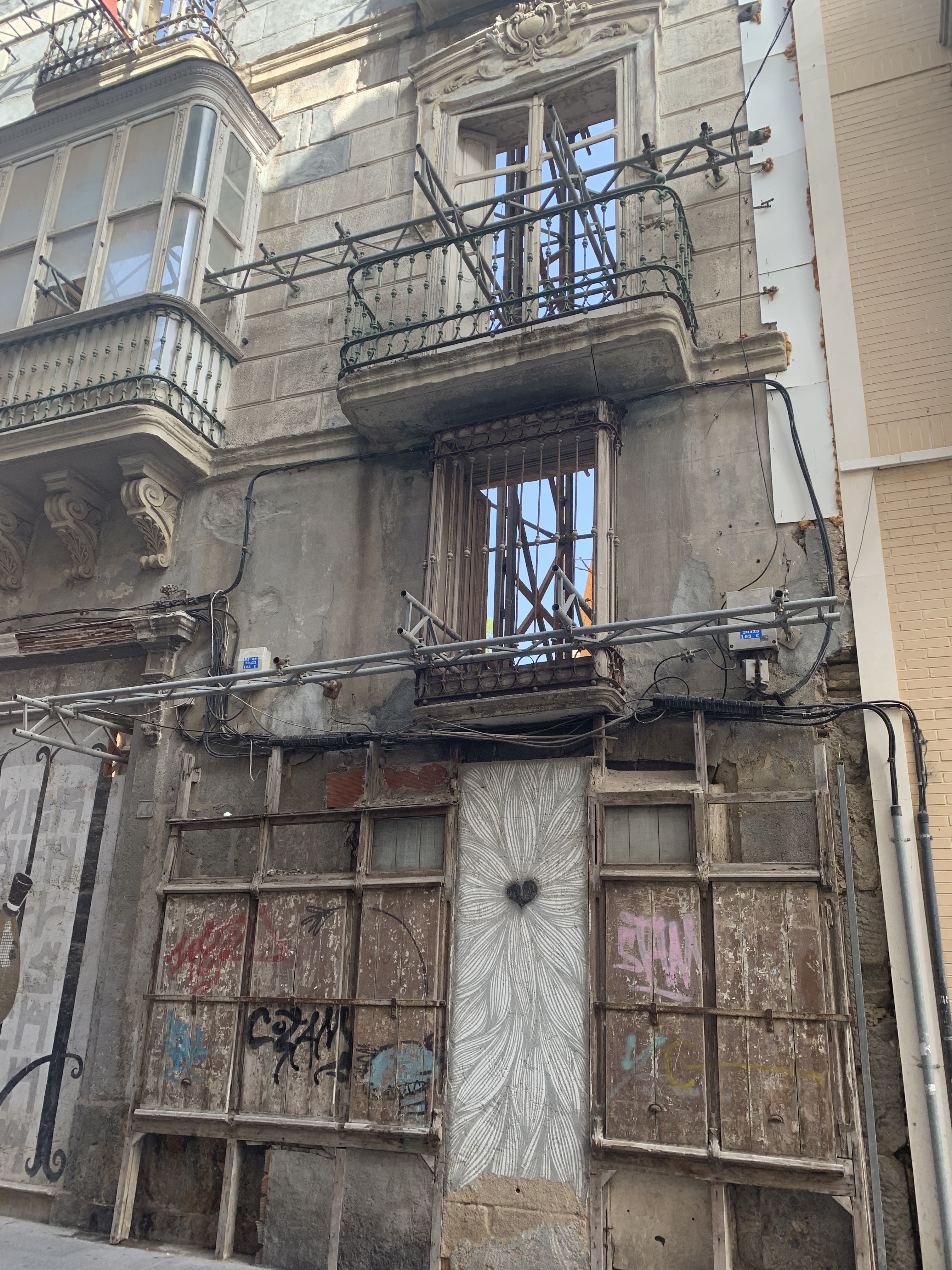
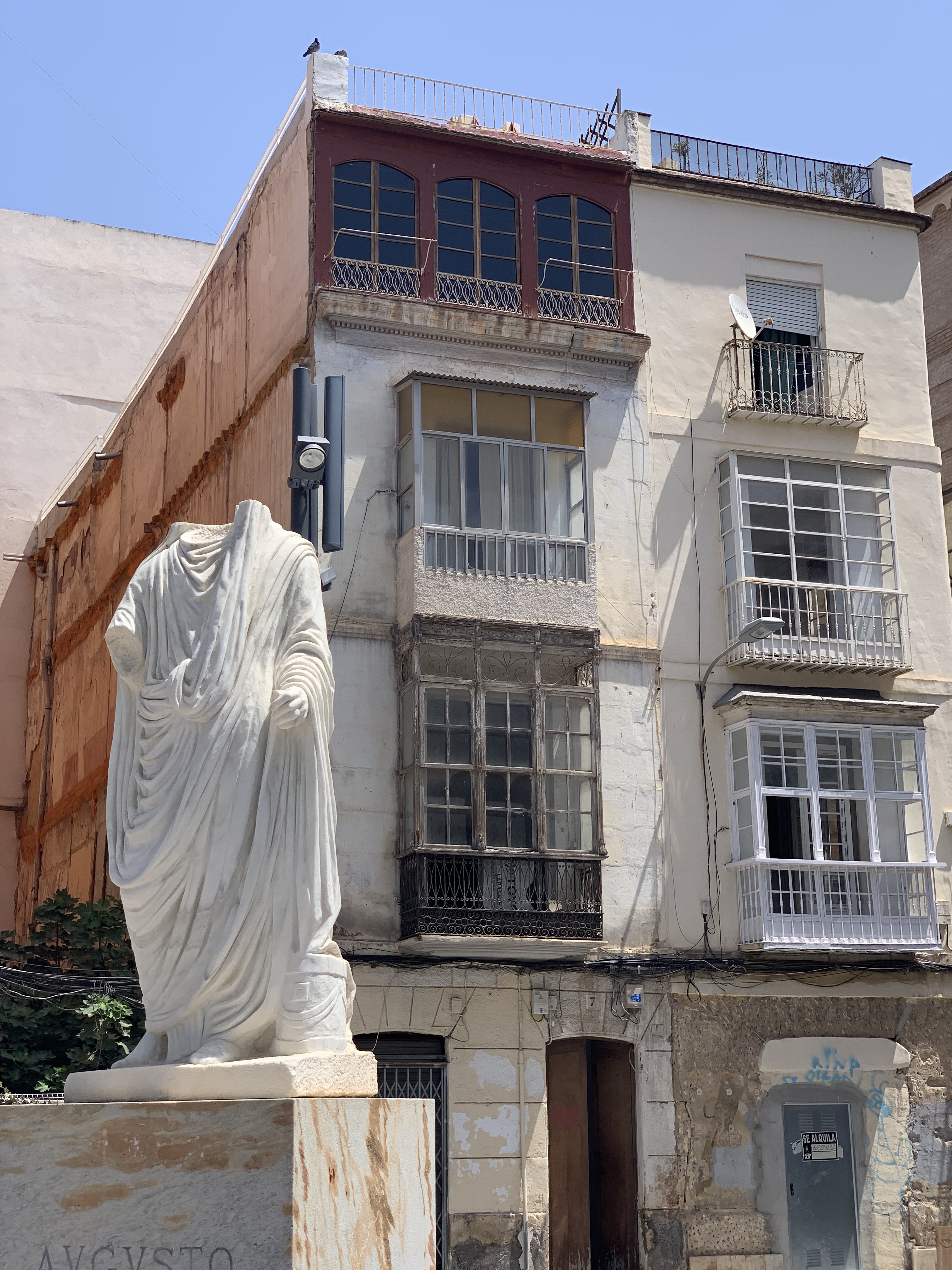
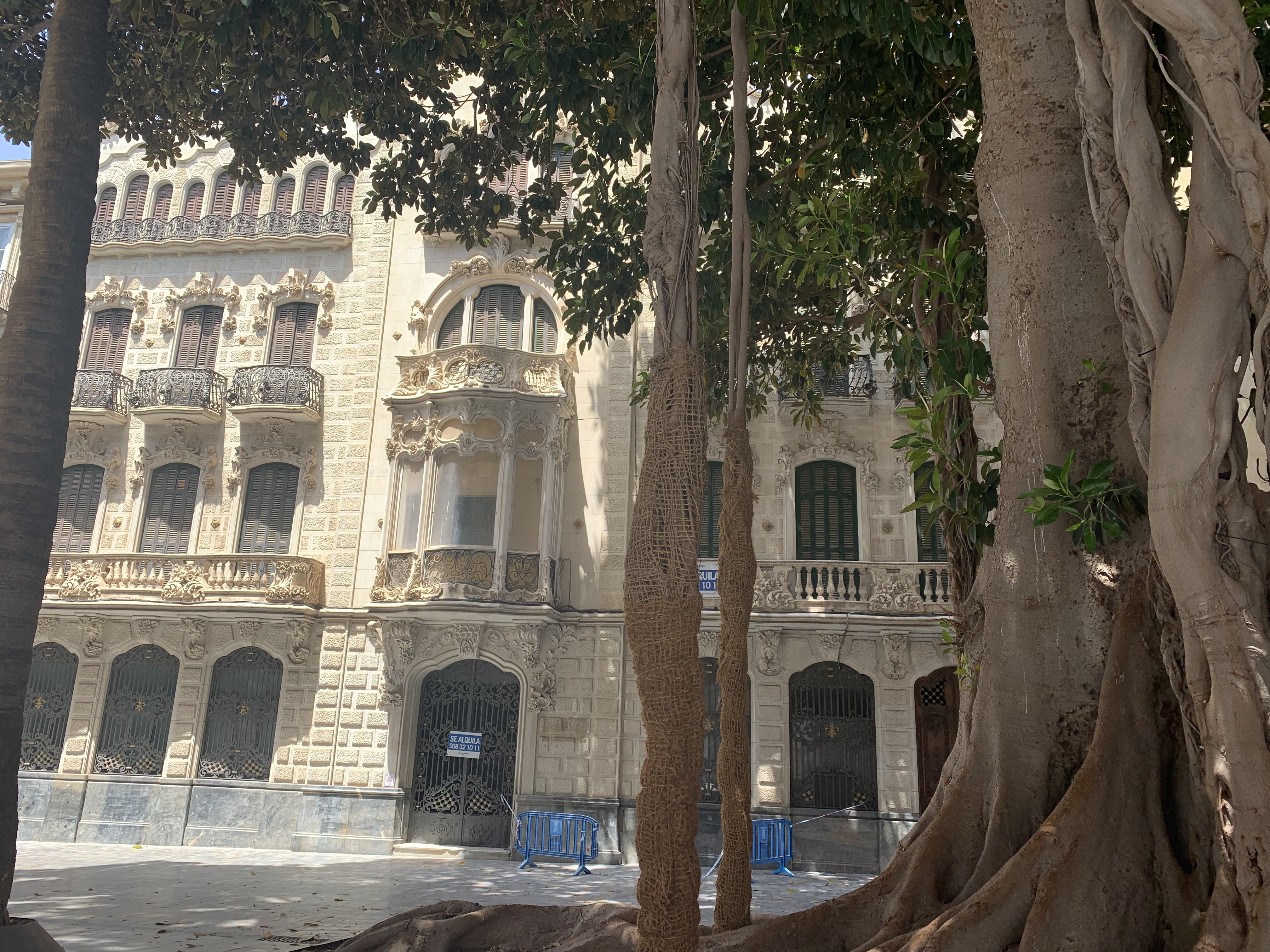
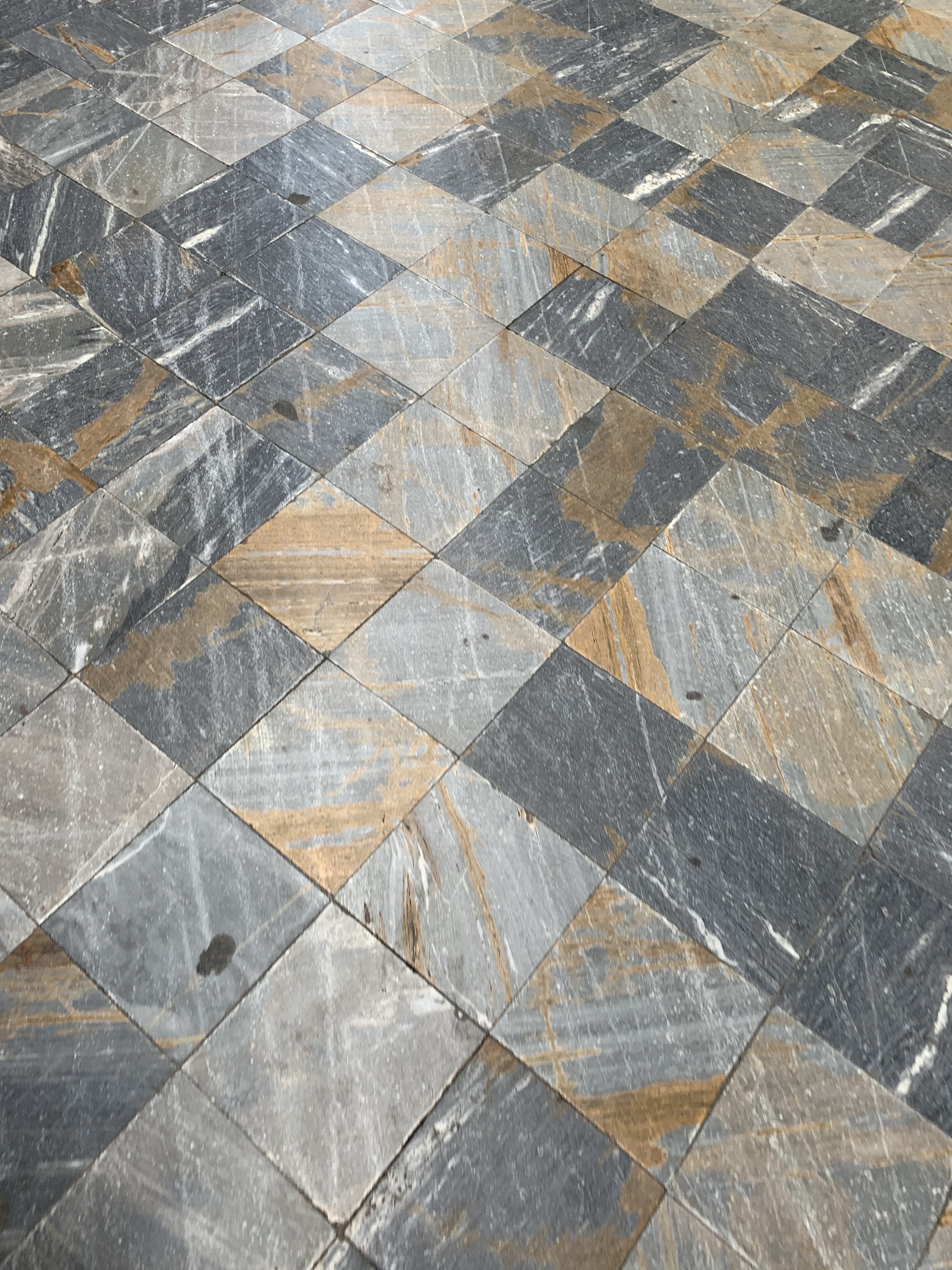
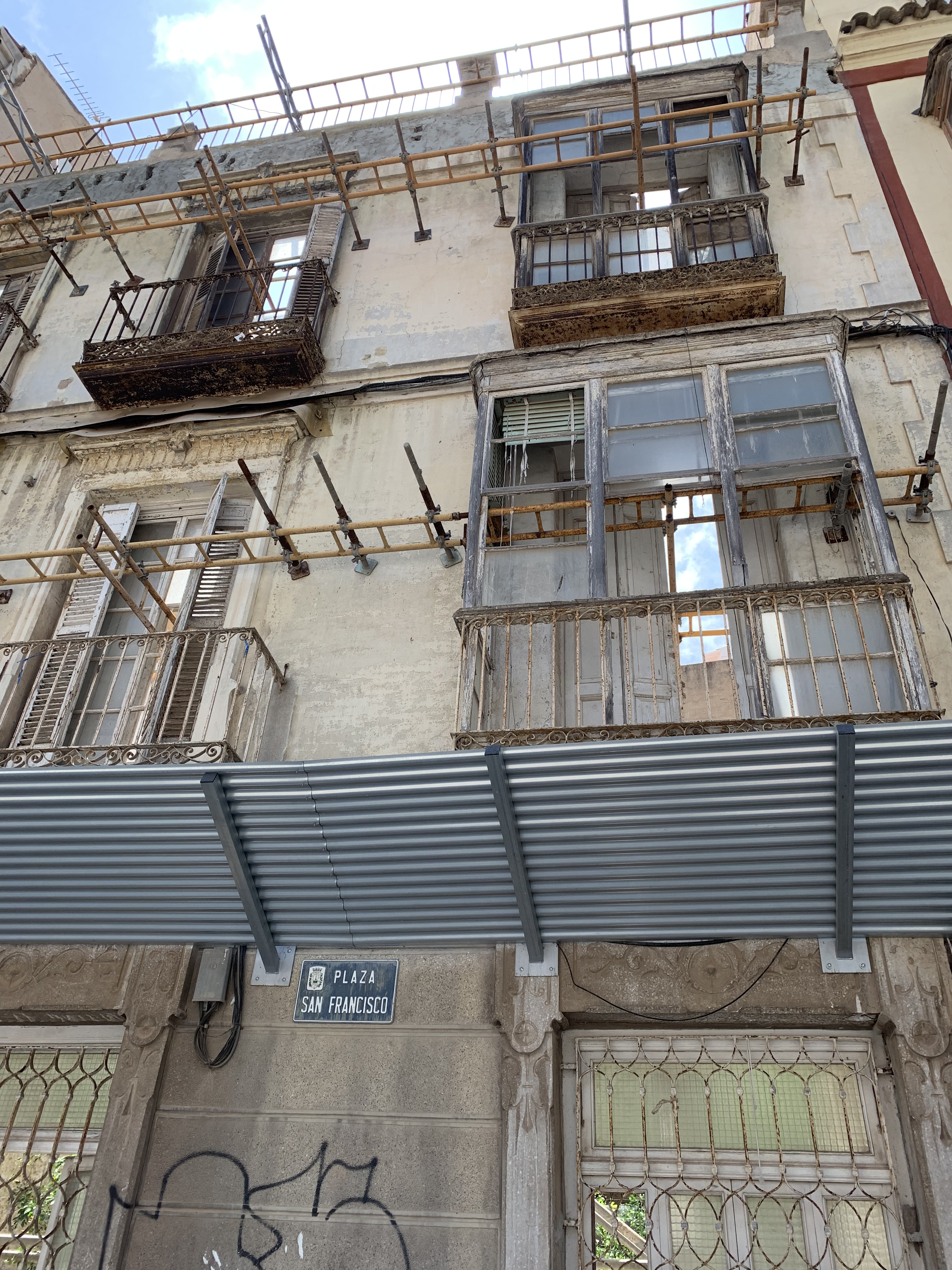
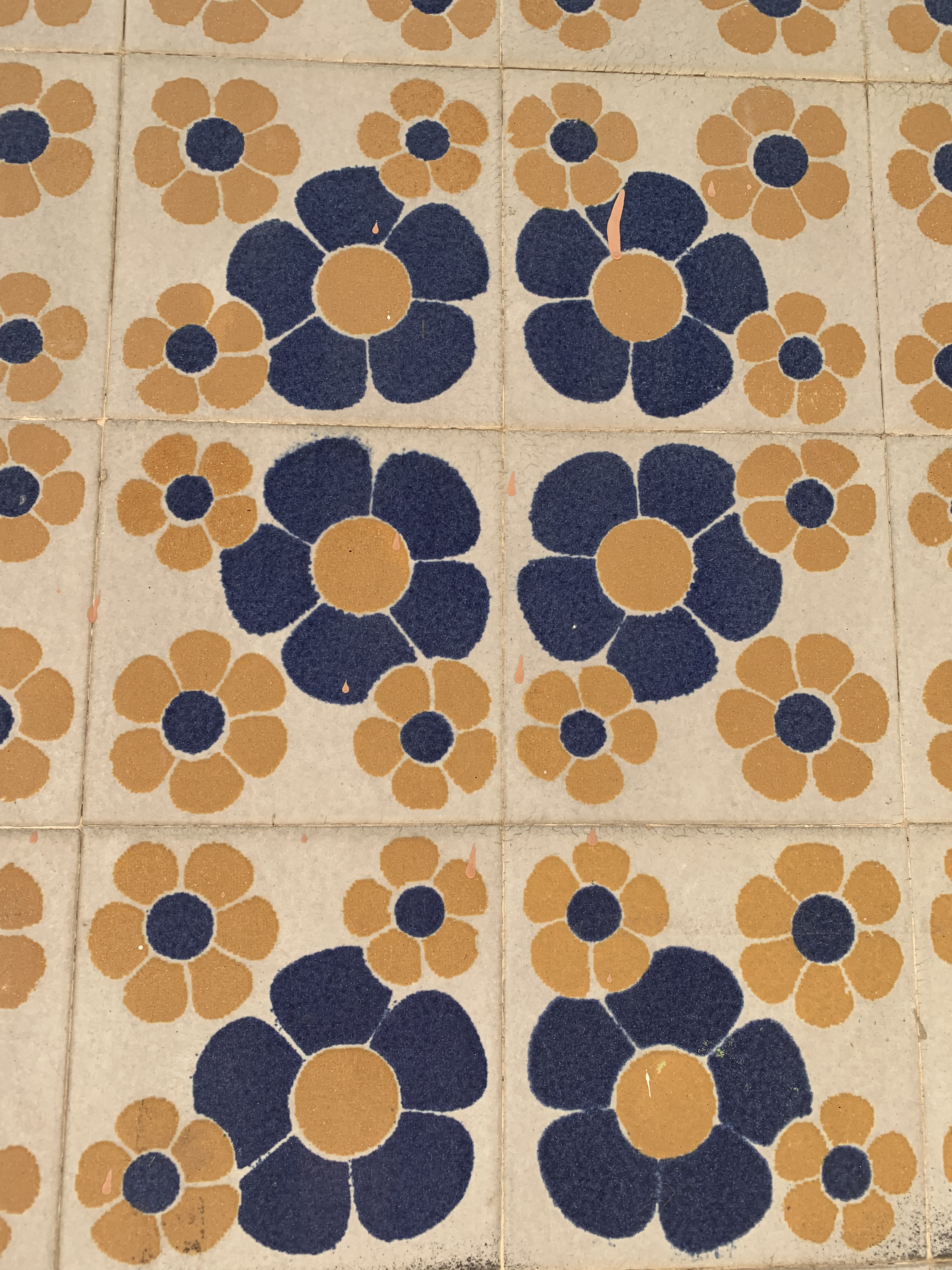
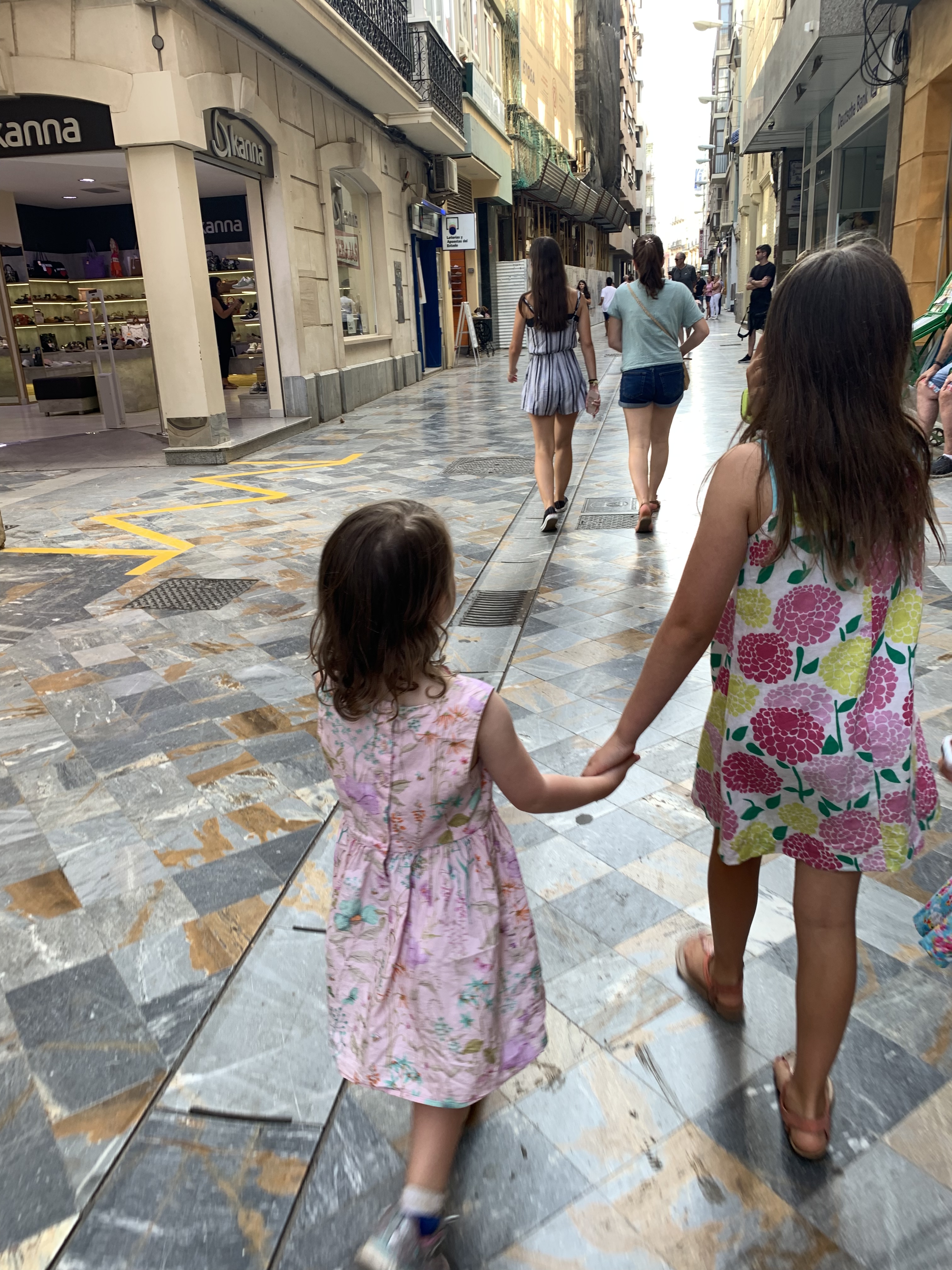
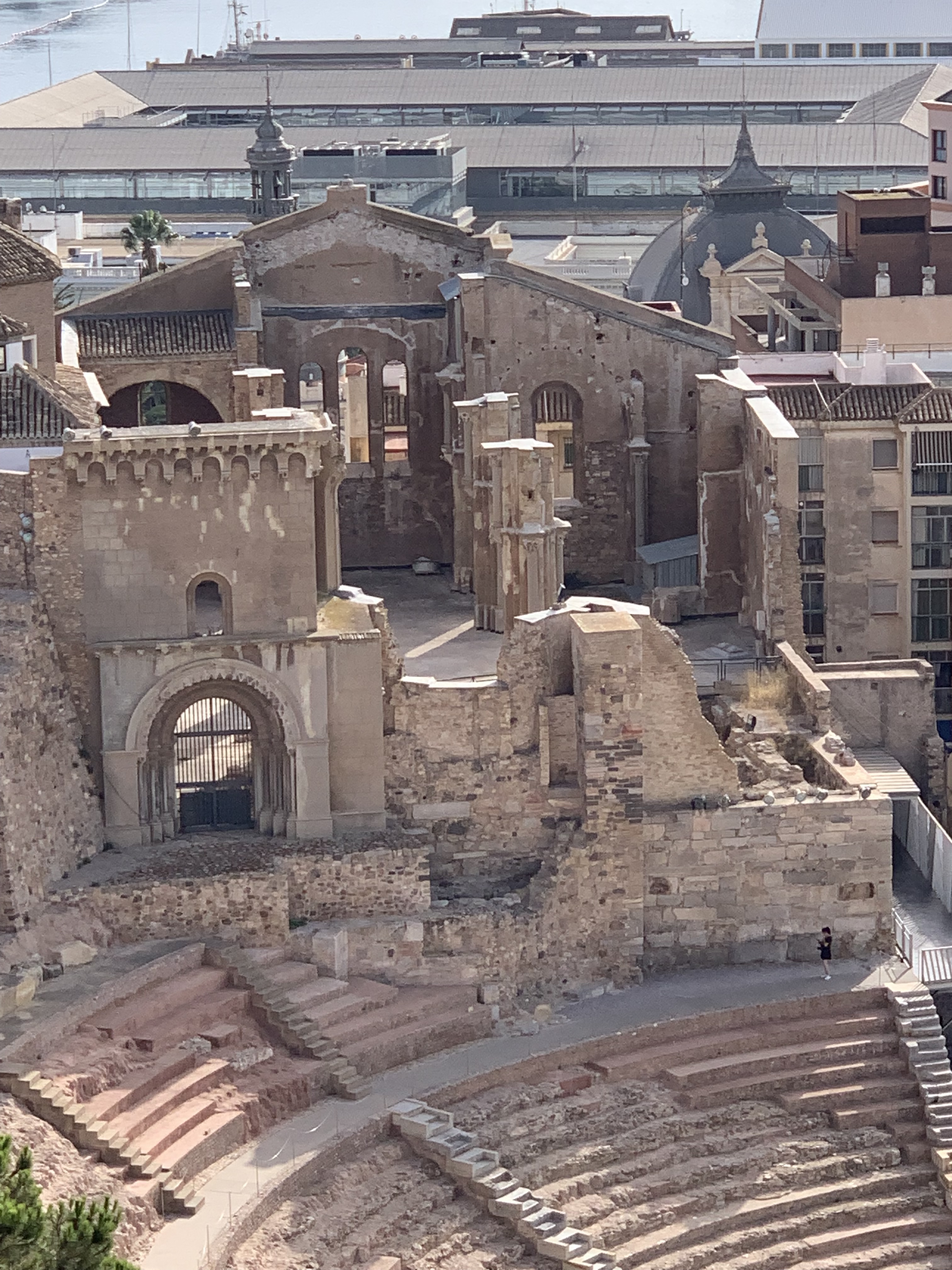
Across the old town there were regular call outs to the past. The 2000 year old Roman amphitheatre, nestled in the old town by the harbour and clearly visible form the city. The 13th century castle built by the Spanish when they took control back from the Moors, a range of churches ranging from stunning to crumbling from the 13th to 19th century. Signs of obvious wealth from past mining booms where ever present, from the proud buildings to the many tiled squares and majestic (and massive) fig trees.
Then there was the modern harbour and a mix of historical and modern art that peppered every roundabout (from submarine replicas to mining equipment to roman statues).
This place was not like anything we’d seen in Europe before and we were intrigued.
When we arrived at 4pm on a Thursday afternoon it was a ghost town. Perhaps there had been a mass evacuation scheduled and we hadn’t got the message? Maybe all the mines had closed down and everyone had just up and left? That would explain all the abandoned buildings.
In fact, it was just siesta. Until 5pm. We were to learn that nothing at all happened before at least 10am, and very little from 2-5pm… but if you wanted a good feed at 3am, you would be in luck. Basically they live Australian hours – just on the other side of the world.
Over the next few days we were to get a (very small) insight into the culture of the place. Almost without fail, the locals were a little stand-offish at first. A little gruff. Despite the rundown feel of some of the old town, it didn’t feel dodgy. But neither did it feel particularly welcoming. It wasn’t until we made a bit of an effort with people (particularly in highly questionable Spanish) that they let their guard down a bit and made us feel quite welcome.
But we’re getting ahead of ourselves.
The first night’s entertainment was the reason we were here in the first place. We were off to the Cante de las Minas Festival in La Union, allegedly an ‘international’ flamenco festival but we weren’t convinced (Side note: we had been fooled on this count before at International Lederhosen Festival in Windischgarsten, Austria. It’’s not really International if no one else does it. Even if its awesome) (Side note 2: it turns out that flamenco was actually invented in Austria and exists in a number of countries, so perhaps international is not such a long bow to draw after all).
In any case, we love local festivals, international and otherwise, and were excited to have the opportunity to see some ‘real’ flamenco music and dancing (NB: we had been warned that this flamenco would be ‘intense’ and unlike the typical flamenco dancing one sees at the plethora of tourist venues around Spain. We shrugged, having not been to those venues and continued on with our plans).
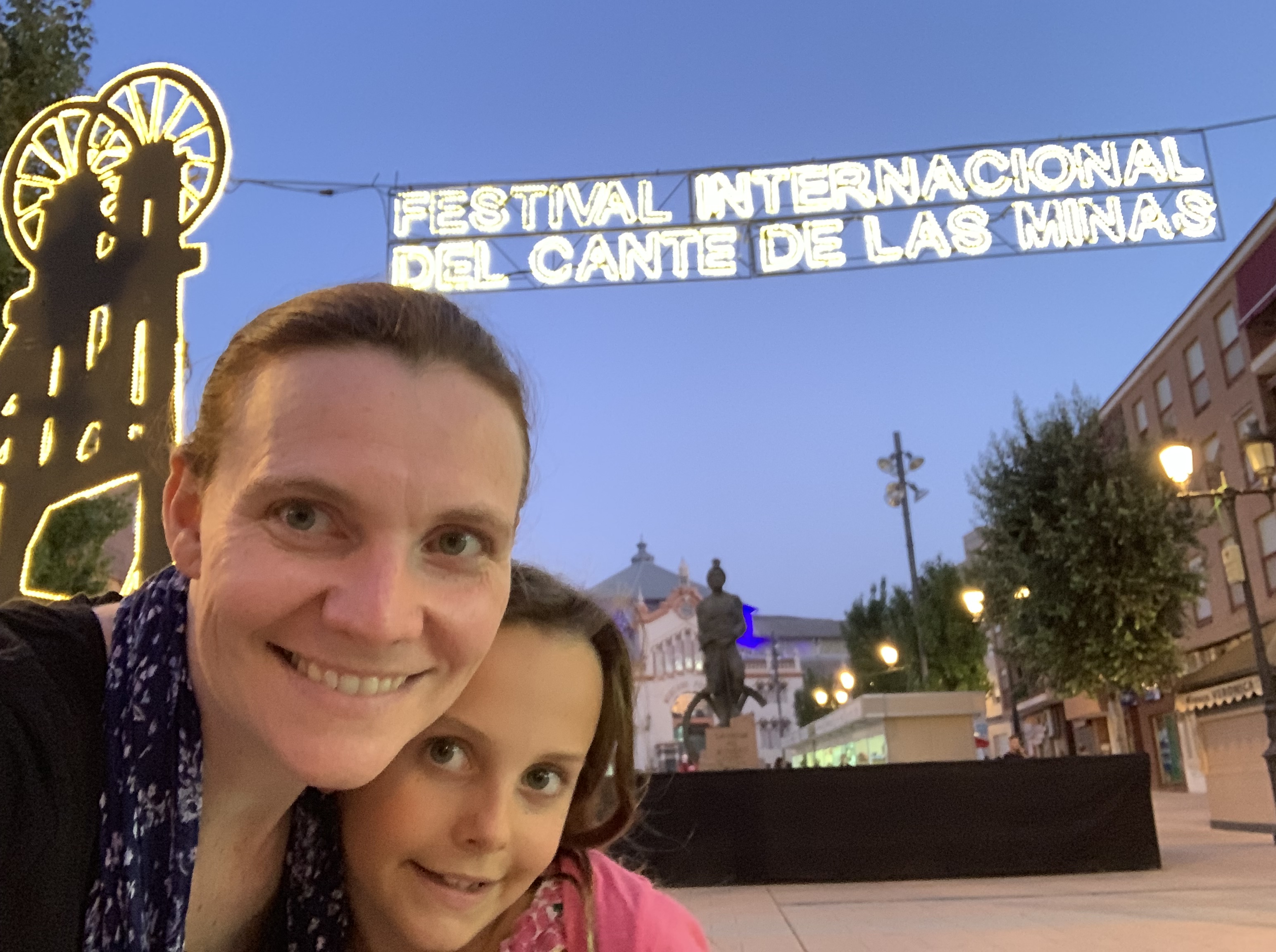
We were heading for the second night of the festival, where the winners from last year were performing (and for free!). The only downside was the time. It kicked off at 10pm, and went until 2am. And we had a 4 year old. Despite the intense training regime to get them onto ‘spanish’ time, thanks to the 6 hours they’d spent in the car today we were doubtful we would make it to doors opening.
At 8pm we headed out of Cartagena for the 20 minutes drive to La Union. The drive took us past an abandoned history of the region’s recent mining heritage. Everything looked abandoned. We followed the signs to La Union, increasingly questioning our planning decisions. More roundabouts with random mining machinery (modern art or did someone just dump their rubbish?). Disused train lines. Desert landscapes. More empty warehouses. What had we done?
We arrived at La Union, pleased that there were in fact people there (not as many as expected, but more than none). We parked the car on the street and bade it a fond farewell, certain we would never see it again (its a bit rubbish but we’d grown slightly attached…. but we did hold out some hope – who would want to steal a Dacia after all???)
We made our way to the main square where the festival was due to take place. It was 9pm, 1 hour before kick off and there were at least 20 people around, none of them under 50. More questioning of life choices. A dozen people started milling around a ‘market’ building seemingly in the know. We joined them. Confirmed we were in the right place, confident now that, whatever it was, we would have front row seats (for the 7 minutes until the kids melted down and we would have to leave in disgrace).
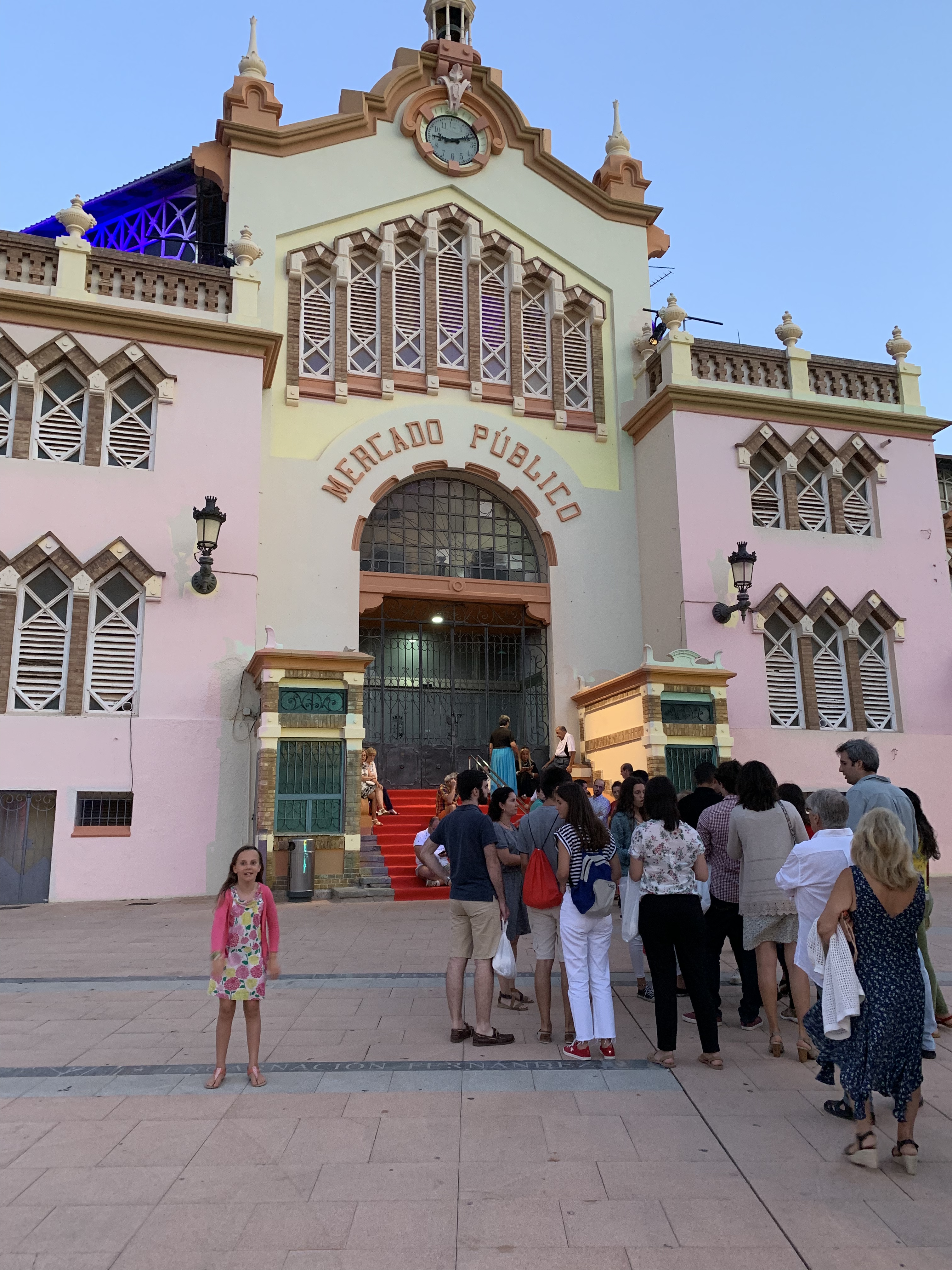
We were comforted that the line started to grow exponentially as we took turns to walk Sena and Jessie around the square to remove as much excess, over tired energy as possible. At 945 we were invited into the venue and beelined, bravely, for the second row, in the middle. We passed out colouring in to the girls and crossed our fingers that we would make the start of the concert. At least we could say we heard something.
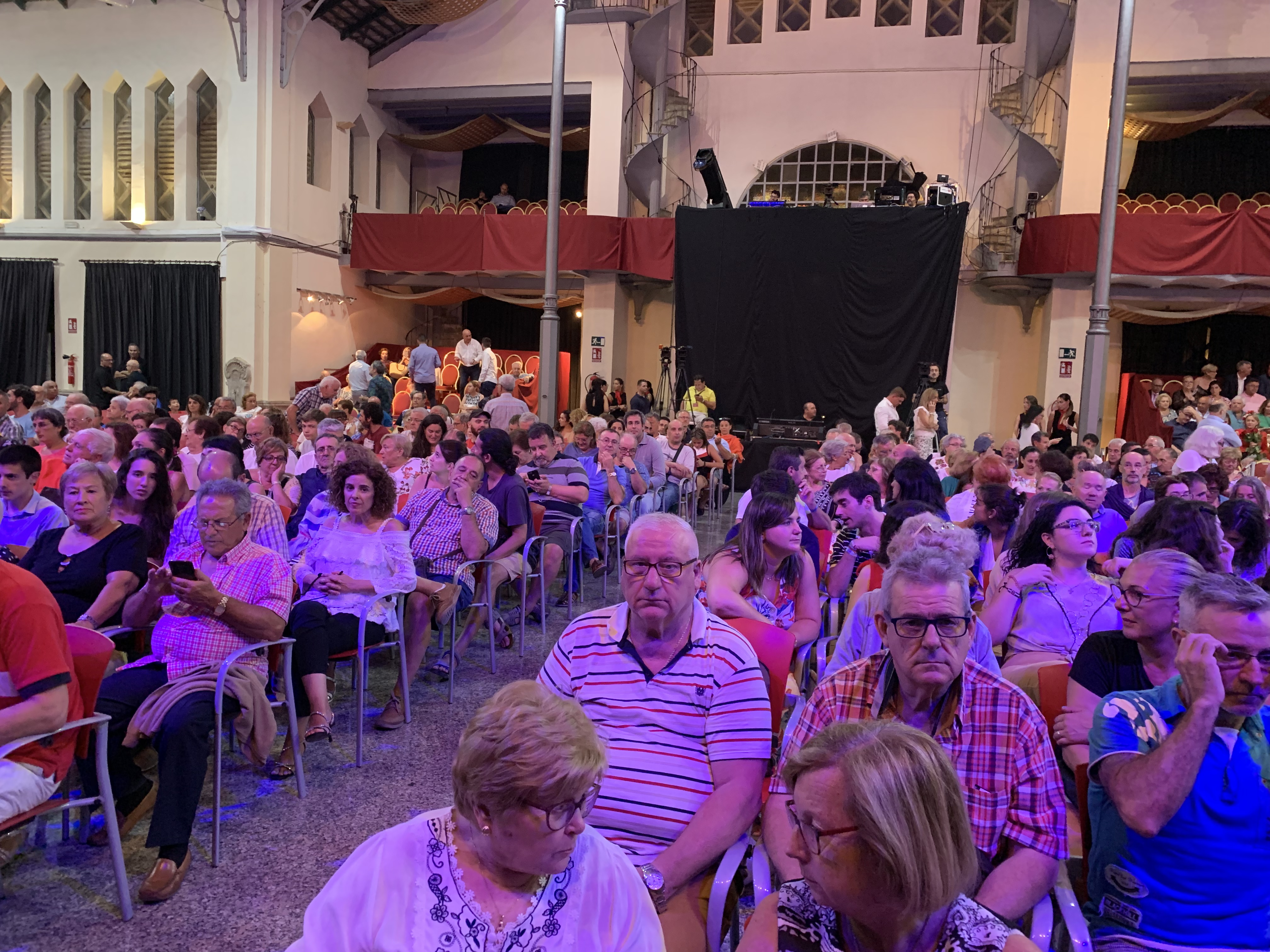
The speeches started at 1015. More warnings that flamenco was not for the faint hearted (our Spanish is improving). Gifts were given. Clocks were watched and prayers offered.
We noticed the configuration of the stage. There was nowhere for anyone to dance. Was this in fact a flamenco dance or just music festival? More questioning of life choices.
Finally the speeches finished and the music started.
A pianist, a bass guitar and a drummer, playing flamenco like we’d never heard before. The winners of something (no idea what) from last year. And we were 3 metres from the piano. As the pianist’s hands flew across the keyboard, the kids stopped questioning what we were doing as their jaws hit the floor. It was magical.
Ellie somehow managed to weasle her way into the front row, jaw scraping along the floor. Jessie and Sena found their way onto Anthony’s lap, similarly transfixed. Liz took photos and videos, breaching copyright with every click. Who cares if there was no dance. This was incredible.
Finally the music finished. The 3 guys on stage looked pretty happy with themselves. We agreed – yes, the music had been amazing but, more to the point, we had 3 girls under 10 happy, awake and engaged and it was past 11pm. We were all over this.
As the applause faded, the group left the stage and the grand piano departed with them, and suddenly there was a dance floor. 3 guys ambled on, one bald, with a moustache and a guitar, one just bald, one looking slightly confused as to why he was there (by the looks of things, probably the second guy’s son). They sat at the back of the stage, leaving plenty of space for a dancefloor.
Our hopes of seeing some ‘authentic’ flamenco dancing seemed like they would be realised after all… but what did they mean ‘its not necessarily for the tourists’?
The bald guy with the guitar started playing. Dad started singing. The son looked dazed and clapped occasionally. Sena looked concerned about the loud noise.
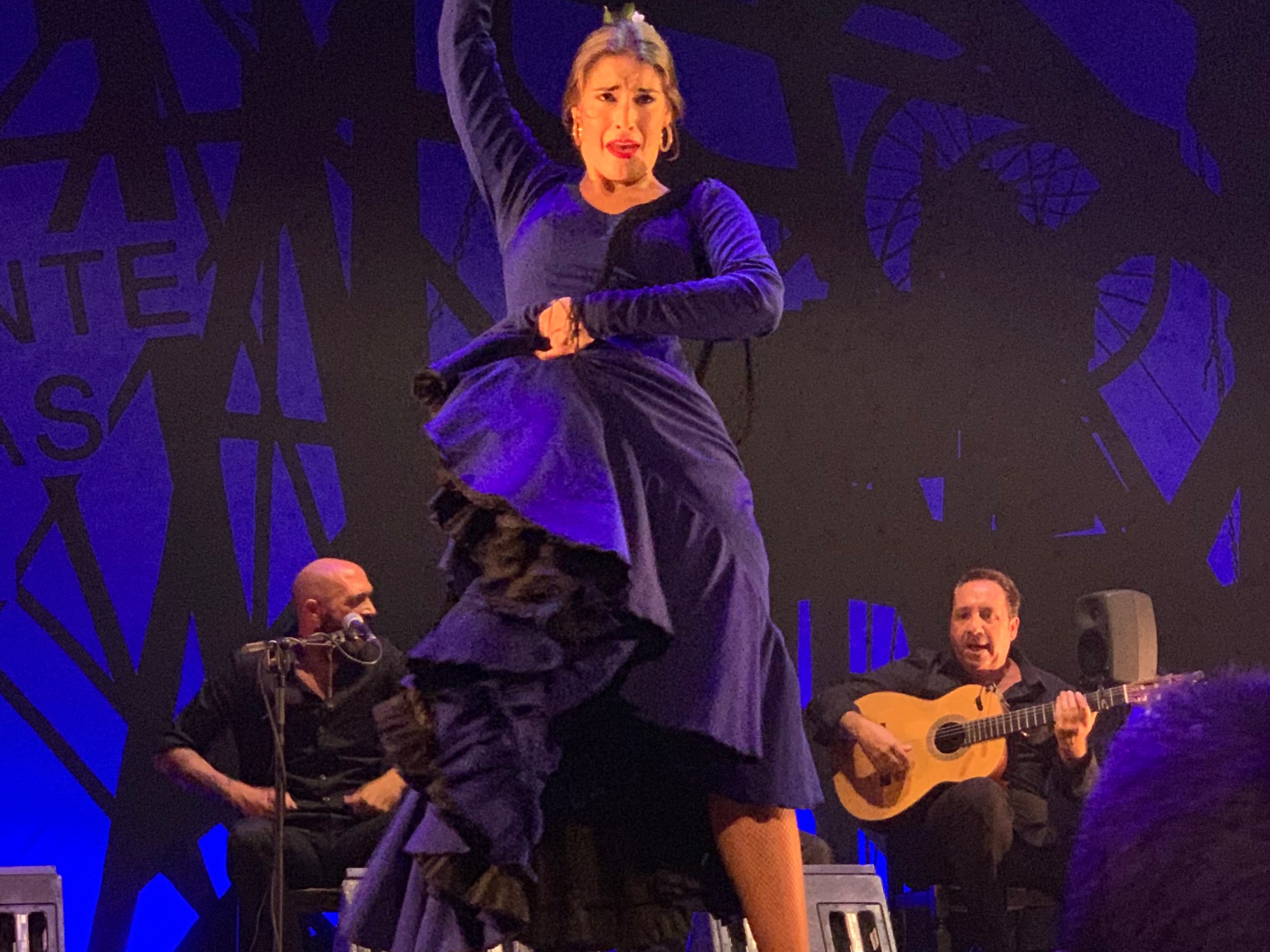
Then the main event entered the stage. She looked a bit like she was looking to pick a fight. She looked strong, powerful, angry, mean. She was not beautiful and she was far from trying to be so. As the bald guy with the guitar played, Dad sang and the son clapped and ‘youp’ed’ every so often in the background, she took over the stage and the whole venue. She danced with power and emotion like we’ve never seen before, like she had been scorned but she honestly didn’t give a fuck.
Two sets, two costumes (the second one a long flowing green dress and castanets adding depth to the guitar, song and slightly confused youp’ing) and it was over. Her mascara was dripping down her face as she sweated under the lights, the mask of her craft suddenly lifted, Surprisingly, now that the show was over, she was actually quite pretty, almost unrecognisable from the dancer of the last half an hour.
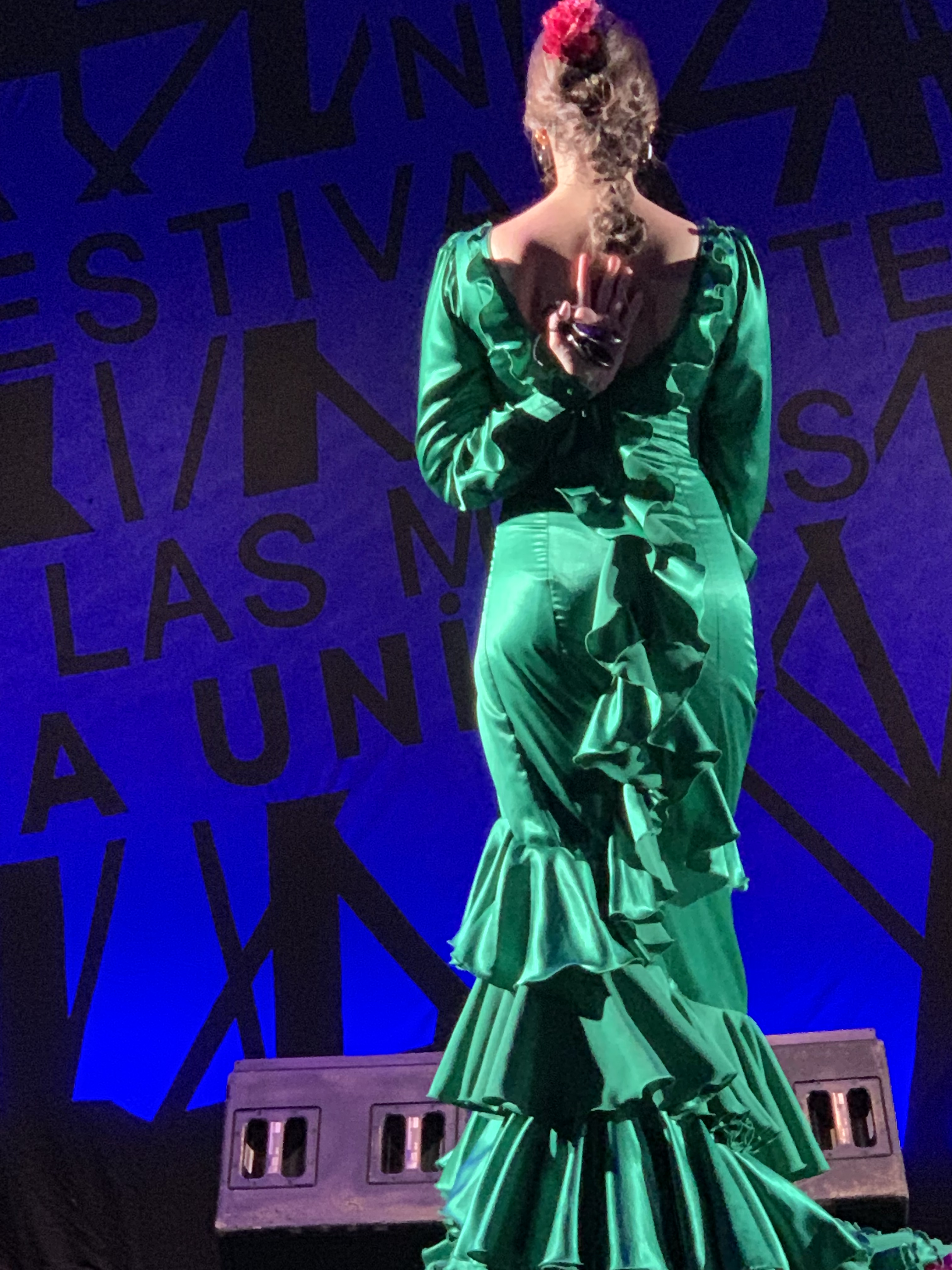
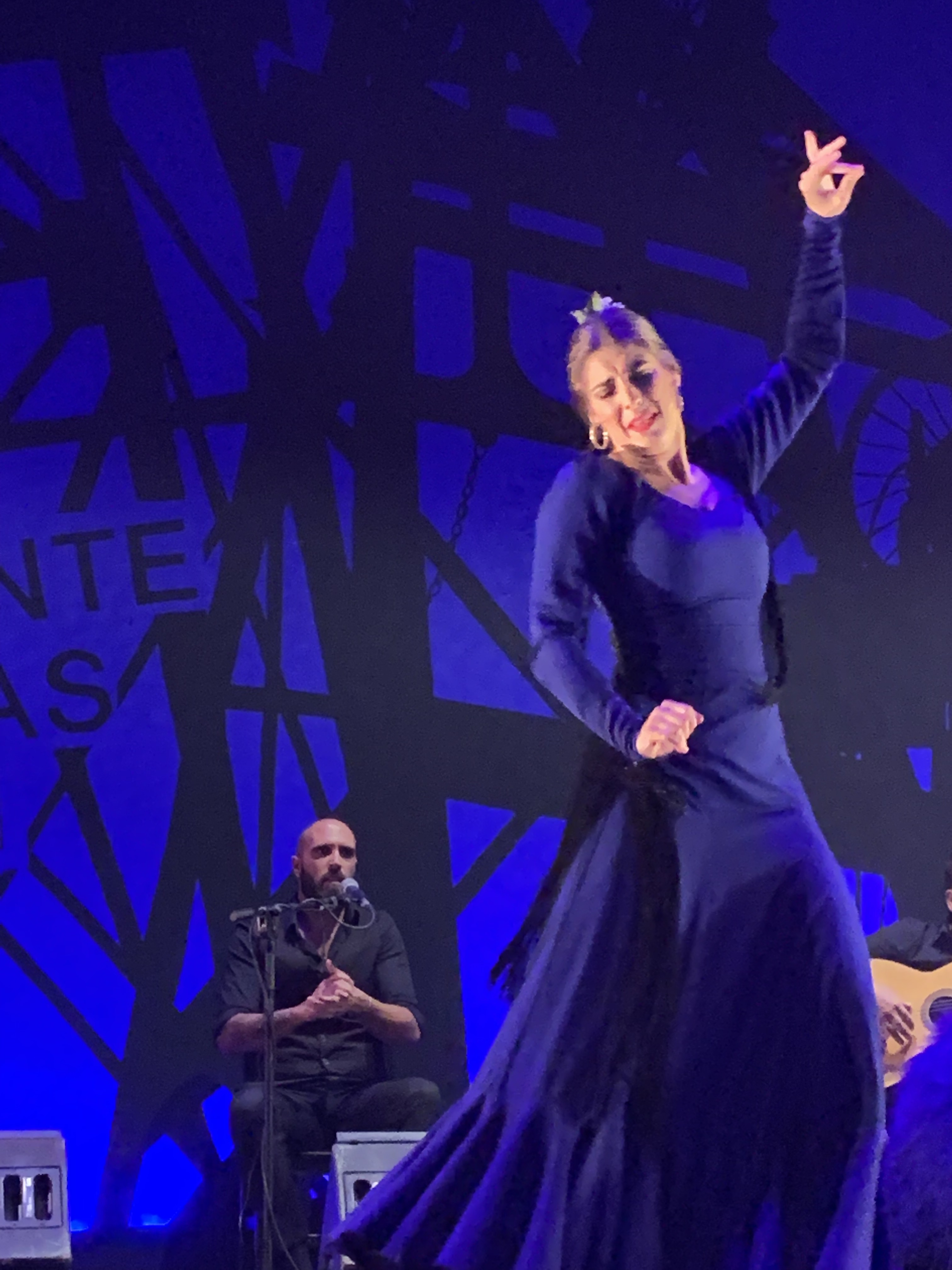
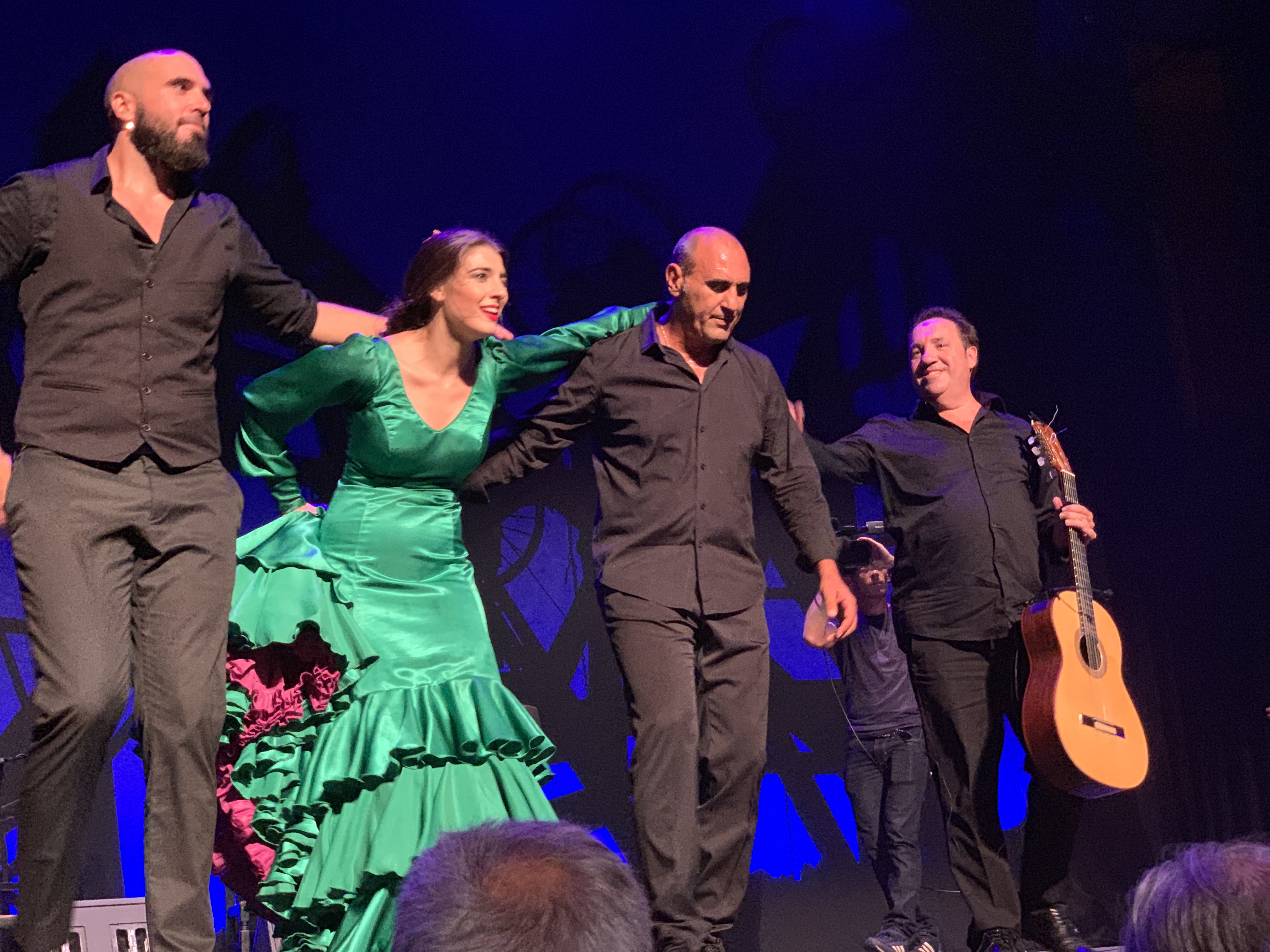
So this is what they mean by ‘authentic’ flamenco dancing. It was raw, emotional, fascinating and a little bit threatening. All the girls (actually all of us) had been transfixed by what we had seen.
As the applause broke the spell, we could feel the wheels wobbling badly and decided that now was the time to beat a hasty, early farewell (midnight, but only halfway through the show) rather than exit from the 2nd row mid performance with a screaming 4 or 7 year old. Instead we had a pouting 9 year old charge off complaining that her sisters were slowing her down.
Despite the theatrics of the departure we were amazed at how much they had enjoyed the performances – and just as importantly given us the opportunity to do so as well. And yes, they will never understand how lucky we were to be there that night, but that doesn’t matter, because we do.
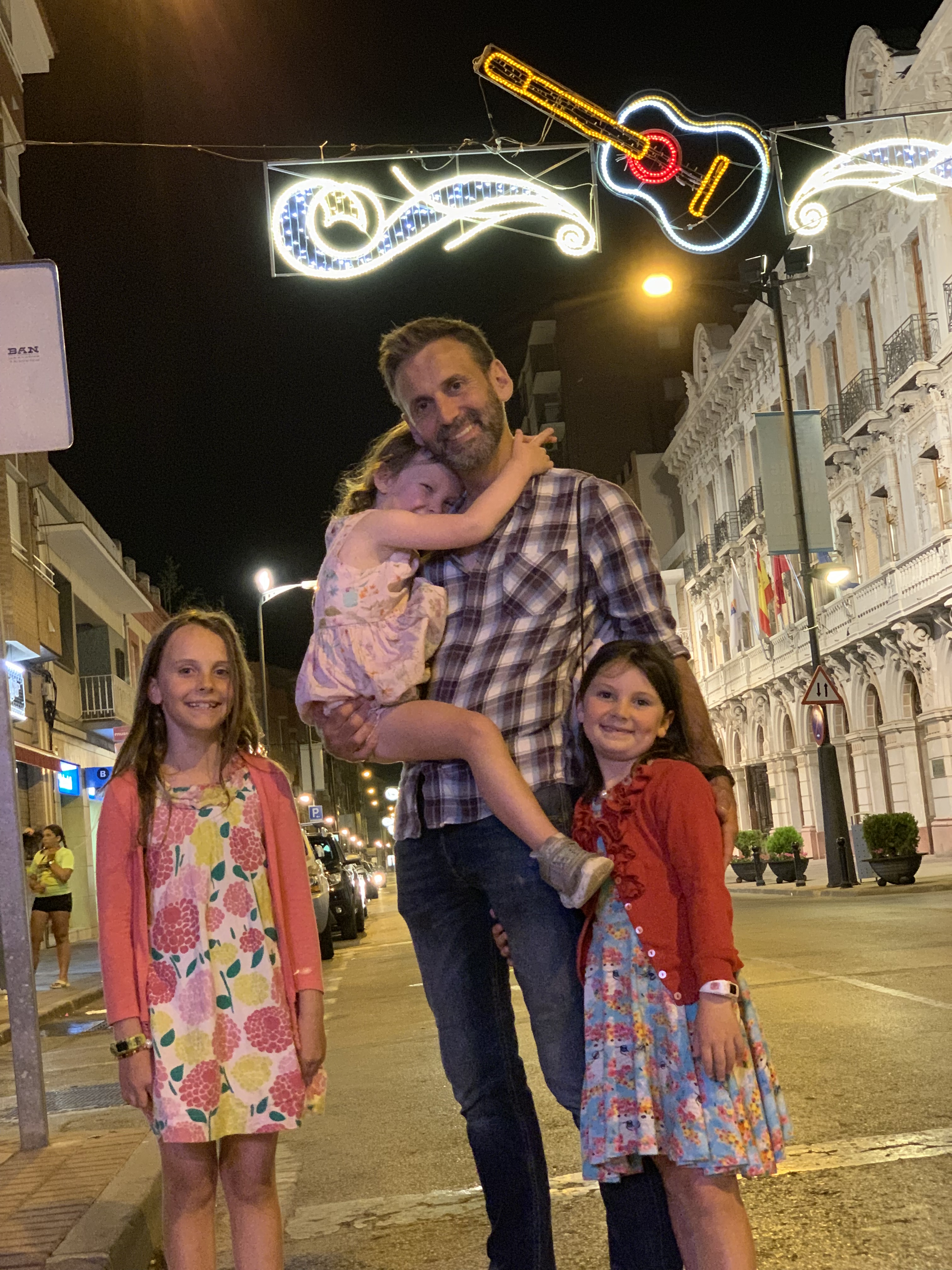
So that was quite the start to Cartagena. Things got a bit more mundane after that, as we tried to drive some sense of normality back into the girls and get them back into a more reasonable time zone.
The next day was spent running around the town and then snorkeling at a lovely harbour around from the old harbour, putting Decathlon’s best snorkels to good use.
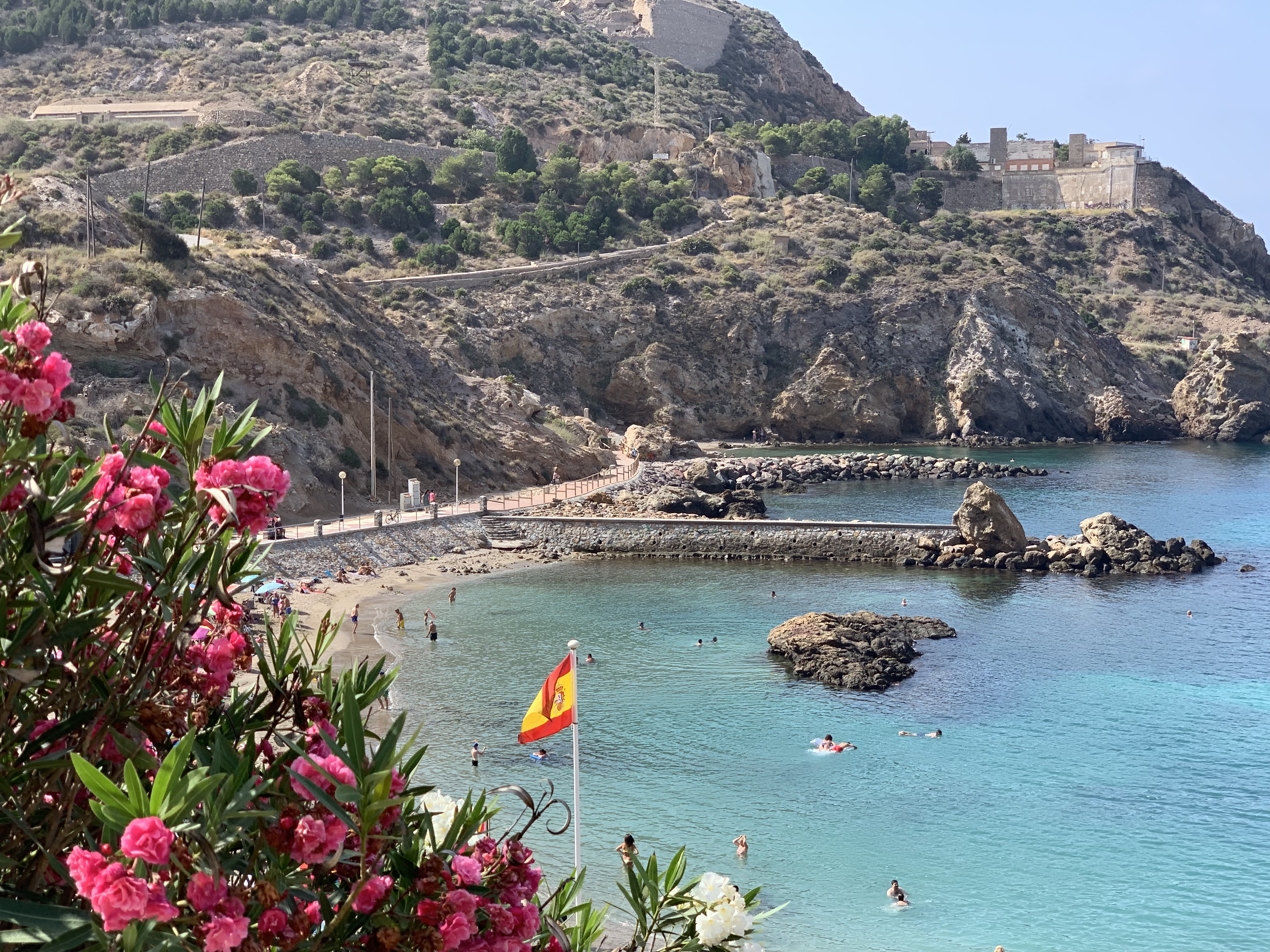
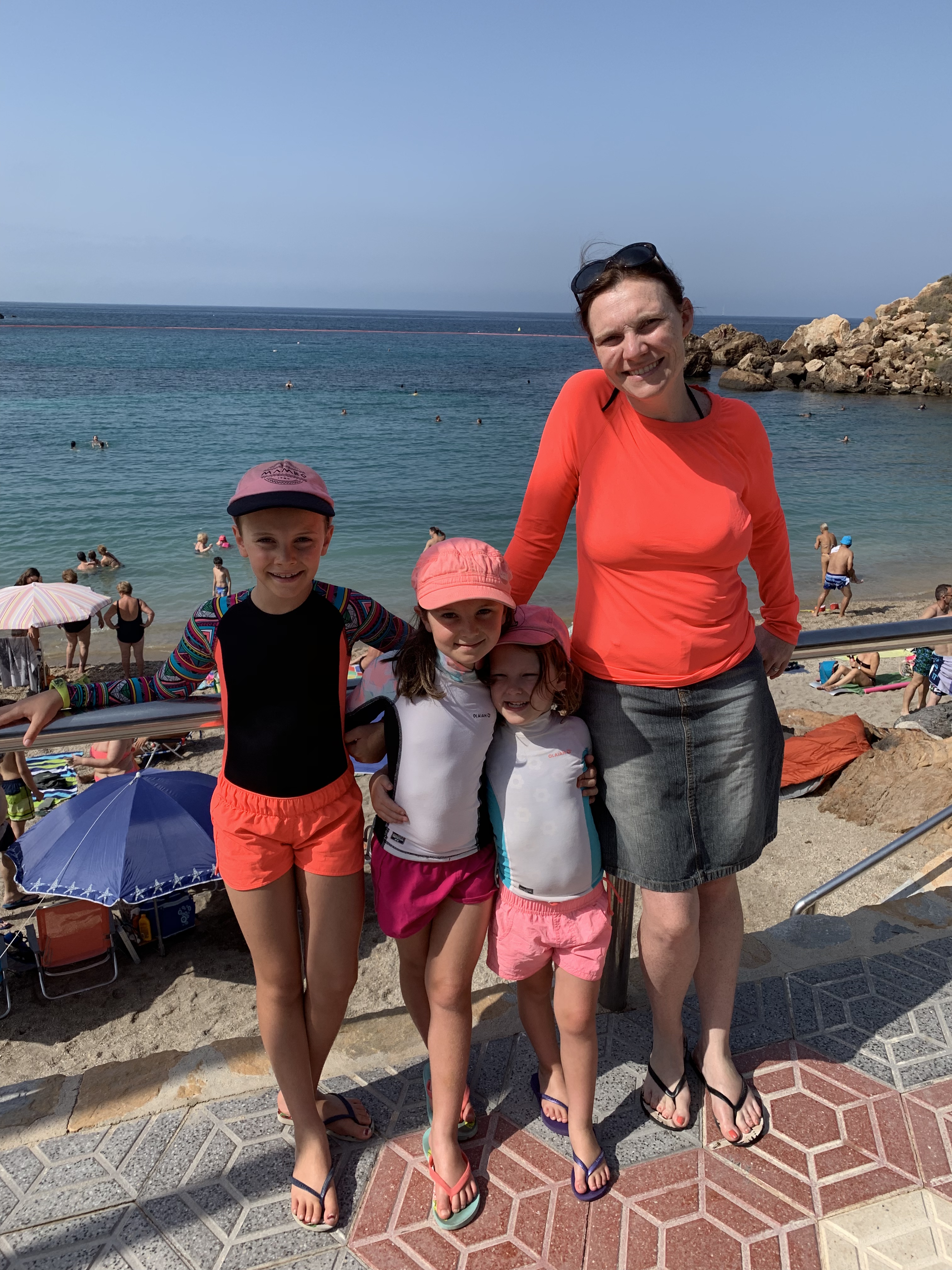
Quick call out here to Decathlon. It will come as no surprise to many that we were excited to be coming to the land of Decathlon (who wouldn’t be, right?) and you would be excused for thinking that we were doing a tour of Decathlon stores rather than one of Europe. So far, we have been to Paris (once), Lyon (twice), Barcelona and Cartagena. We missed Italy (not sure what we were thinking, really), but look forward to more trips to gather essential travel items such as trademark snorkels, beach tennis bats, ping pong bats etc. Good times.
The afternoon was spent back at our apartment, doing homework, reading, drawing pictures and a cheeky nap – basically much needed downtime. We were getting into this whole 3 hour siesta business.
When we resurfaced, we had a family discussion around what to do next. A solid yes vote in favour of paella for dinner (as it was only 5pm we had another 3-4 hours to burn before anything was open for dinner however), and a more split vote around a visit to the 13th century castle in the old town. This dissension created a crisis of (the largely illusory) democracy that we claim exists when selecting itineraries.
Jessie was pushing hard to make siesta a full day event (with some strong support from Sienna), but each time she voted down a motion sit still, she tended to be on the losing side, creating a crisis of confidence in democracy and all the hallmarks of a nascent revolution. Like Brexit, youth felt like they weren’t being heard. If we were in France they would have been reaching for the pavés and putting up the barricades around the apartment.
Using every piece of our diplomatic experience (gained mainly from the Model United Nations Club at university, but don’t tell anyone) we brokered a peace agreement. We would visit the castle complex rapidly tonight before heading to the aforementioned paella. Tomorrow would be a beachy morning followed by solid doona time in the afternoon.
A fragile peace was restored.
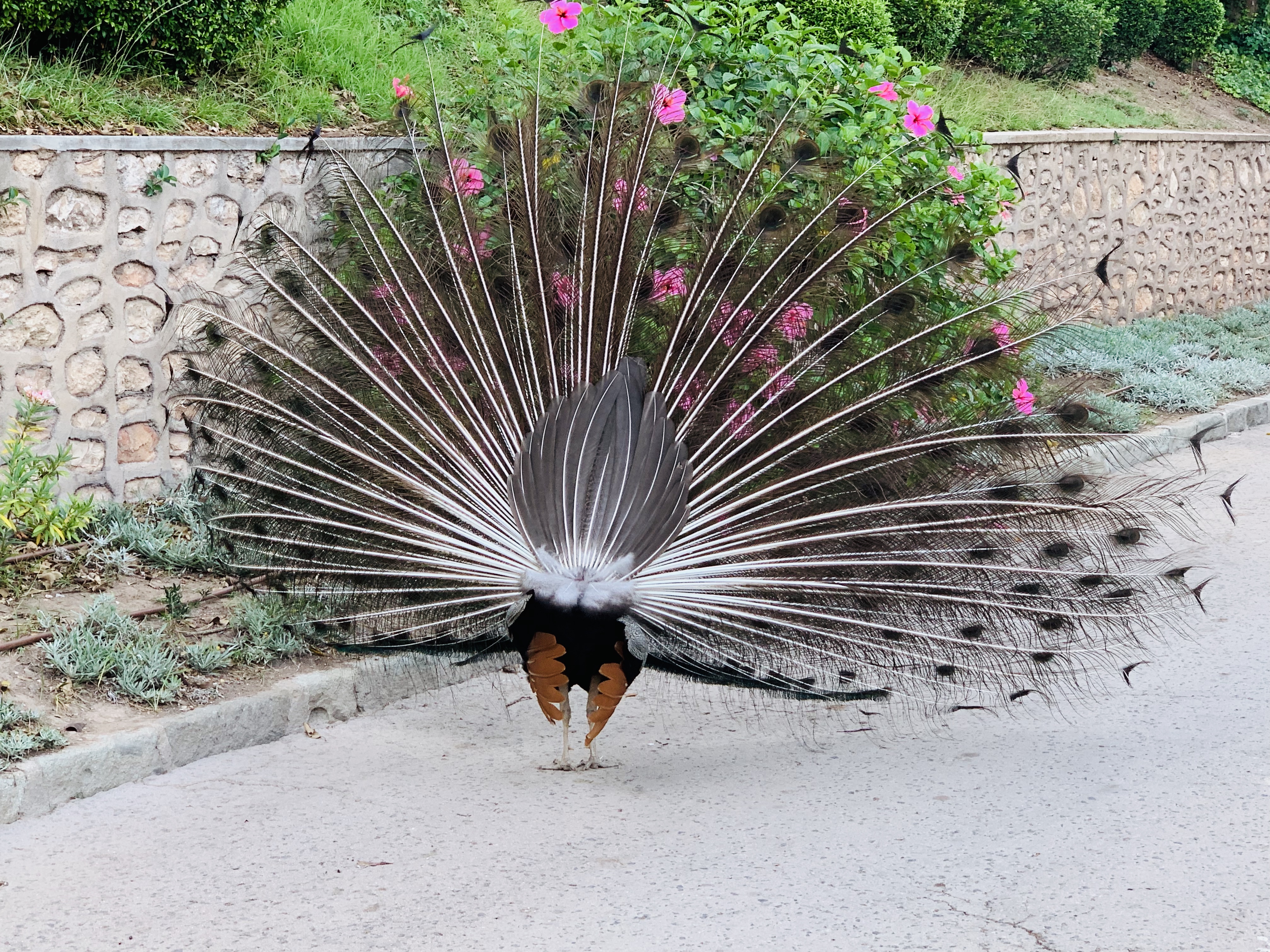
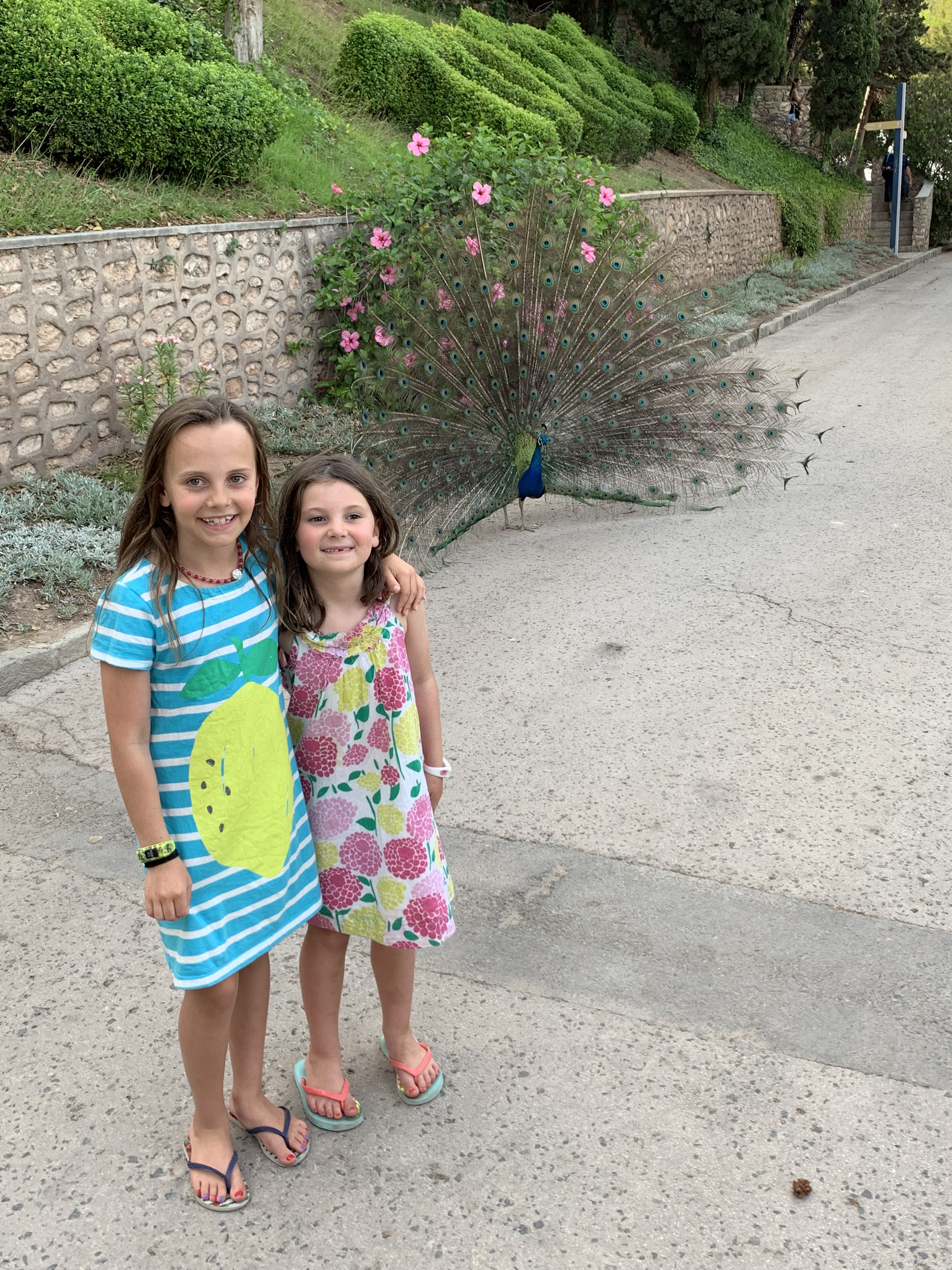
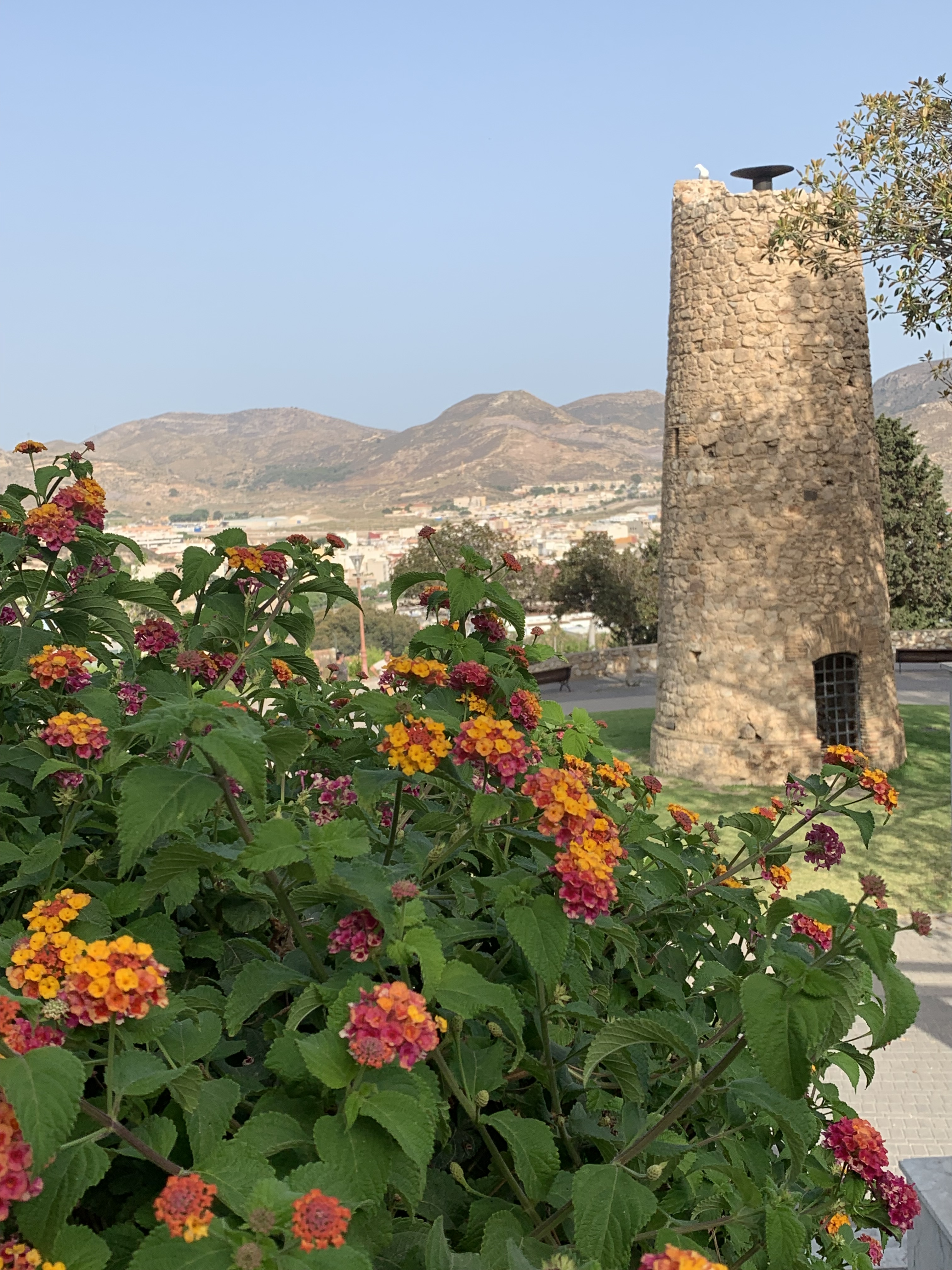
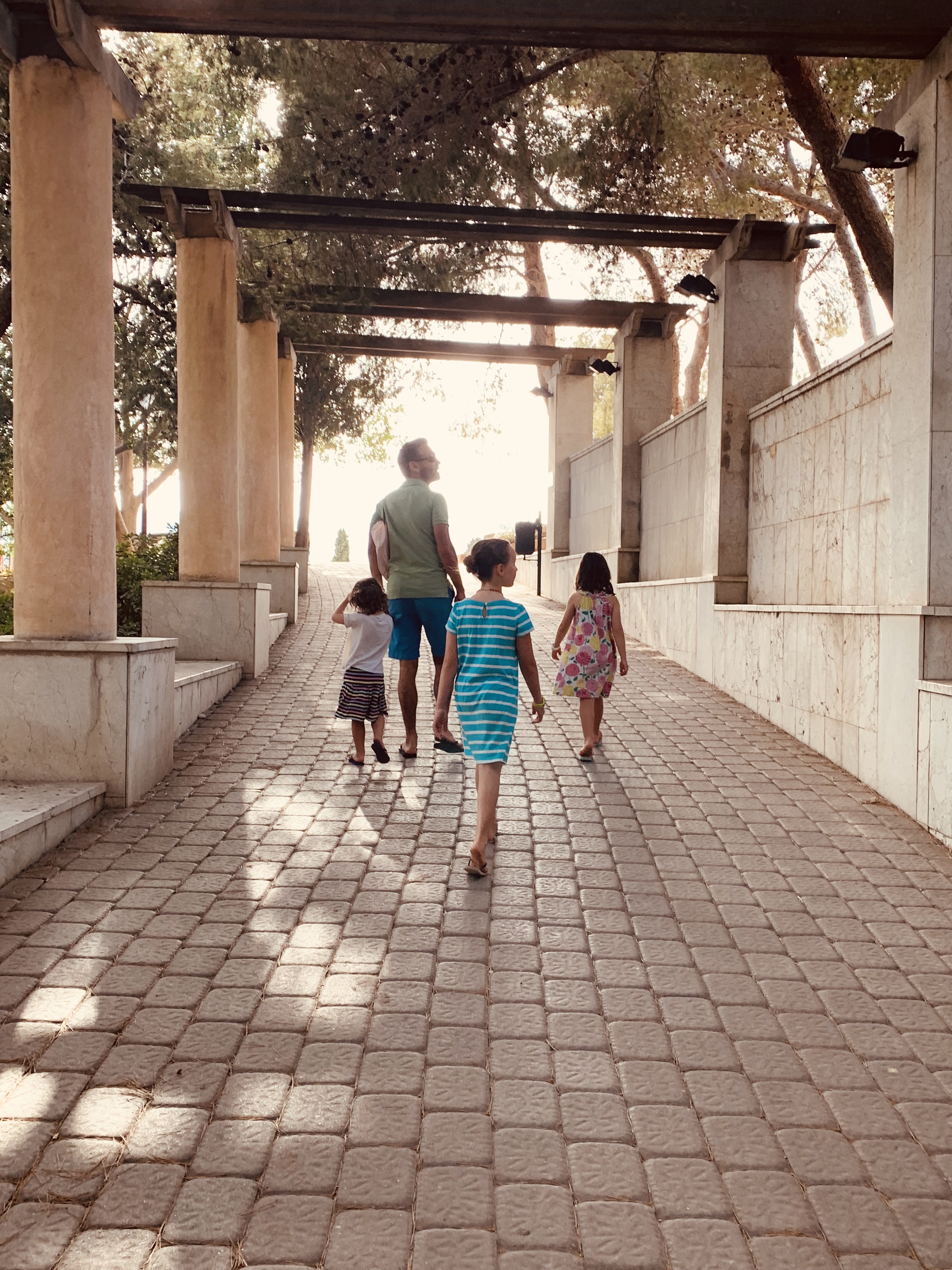
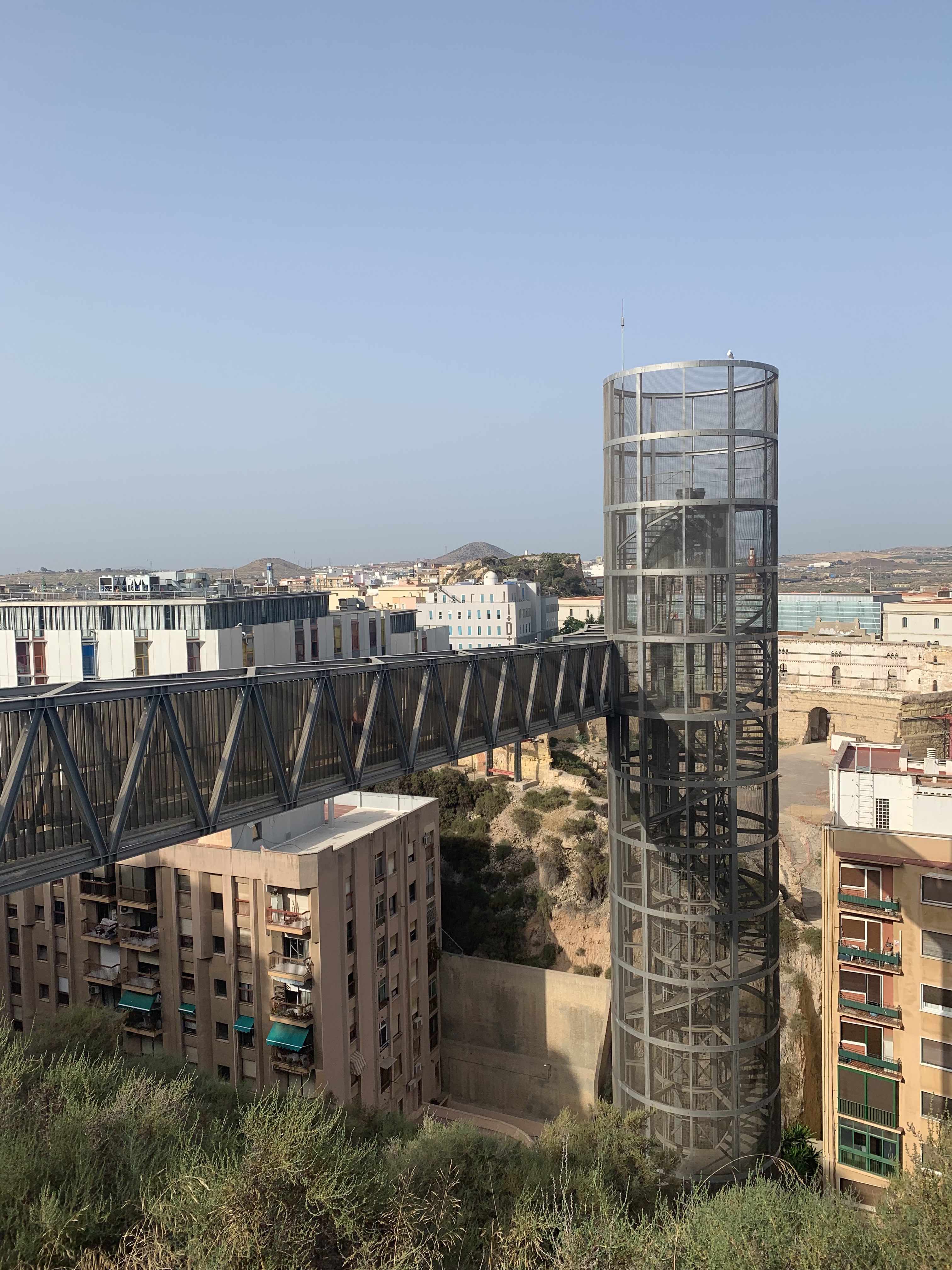
We made our way to the strangely modern (but not overly stable) freestanding ‘panoramic’ lift that whisks tourists slightly Willy Wonka style up the side of the castle parapets and into the castle complex and gardens at the top of the hill. The castle was built by the Spanish in the 13th century, no doubt in a bid to hang on to the city for more than 5 minutes. The views from the top of the city were beautiful, but the highlight of the visit was without a doubt the peacock family we met in the gardens. Unfortunately, the sight of an Australian family around his young chicks caused Dad to get a little edgy and for the next 10 minutes he looked to intimidate us with an incredible show of feathers (and a fluffy, pretty cuddly looking rear end). Whilst it wasn’t as scary as he would have you believe, it was spectacular, and became the focus of Sena’s latest ‘future exhibition’. Picasso has ‘The Pigeons’, Sena has ‘The Peacocks’ – coming to the Louvre in 2035.
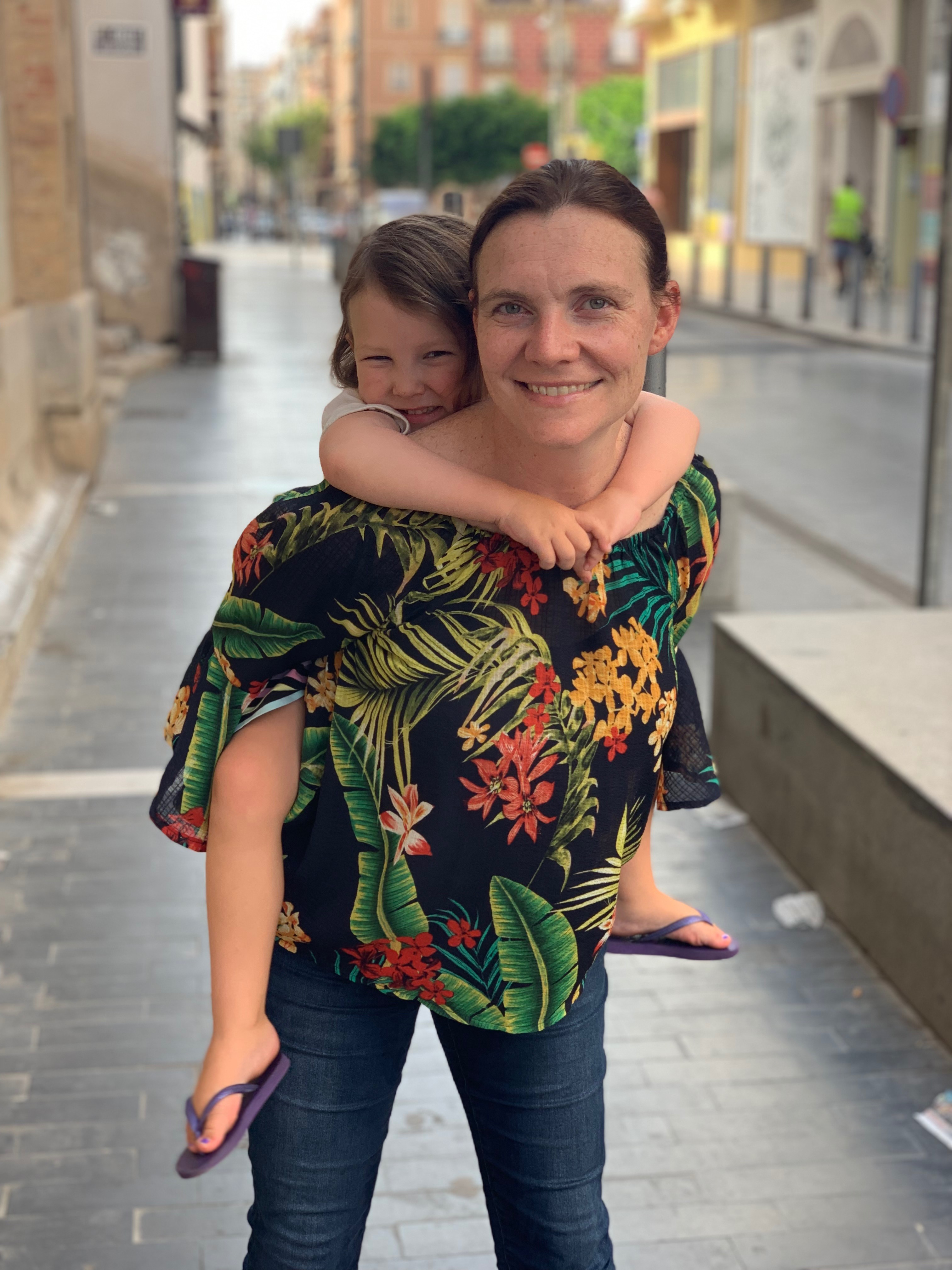
On our way to dinner, we risked the wrath of the younger generation by side stepping into the local 18th century Santa Maria de Gracia church in the middle of the old town. Whilst its a beautiful church (complete with a number of very graphic statues and pictures of Jesus on the cross) it’s not that distinct from many others peppered across Europe. Whilst we had gone around numerous churches in both Paris and Barcelona, we had not gone inside any of them, preferring to avoid the queues and focus on other sights. The kids were blown away and suddenly we were fielding any number of questions to test our knowledge of biblical history… and the tie in to Rome and the amphitheatre just next door. Looks like we’re going to be visiting a few more churches on our travels… but maybe we should also throw in some synagogues and mosques just to make sure we’re keeping the right balance!
Dinner was average, but happened to be next to a playground and served wine (the restaurant, not the playground) – so it quickly became our favourite eating spot, ever.
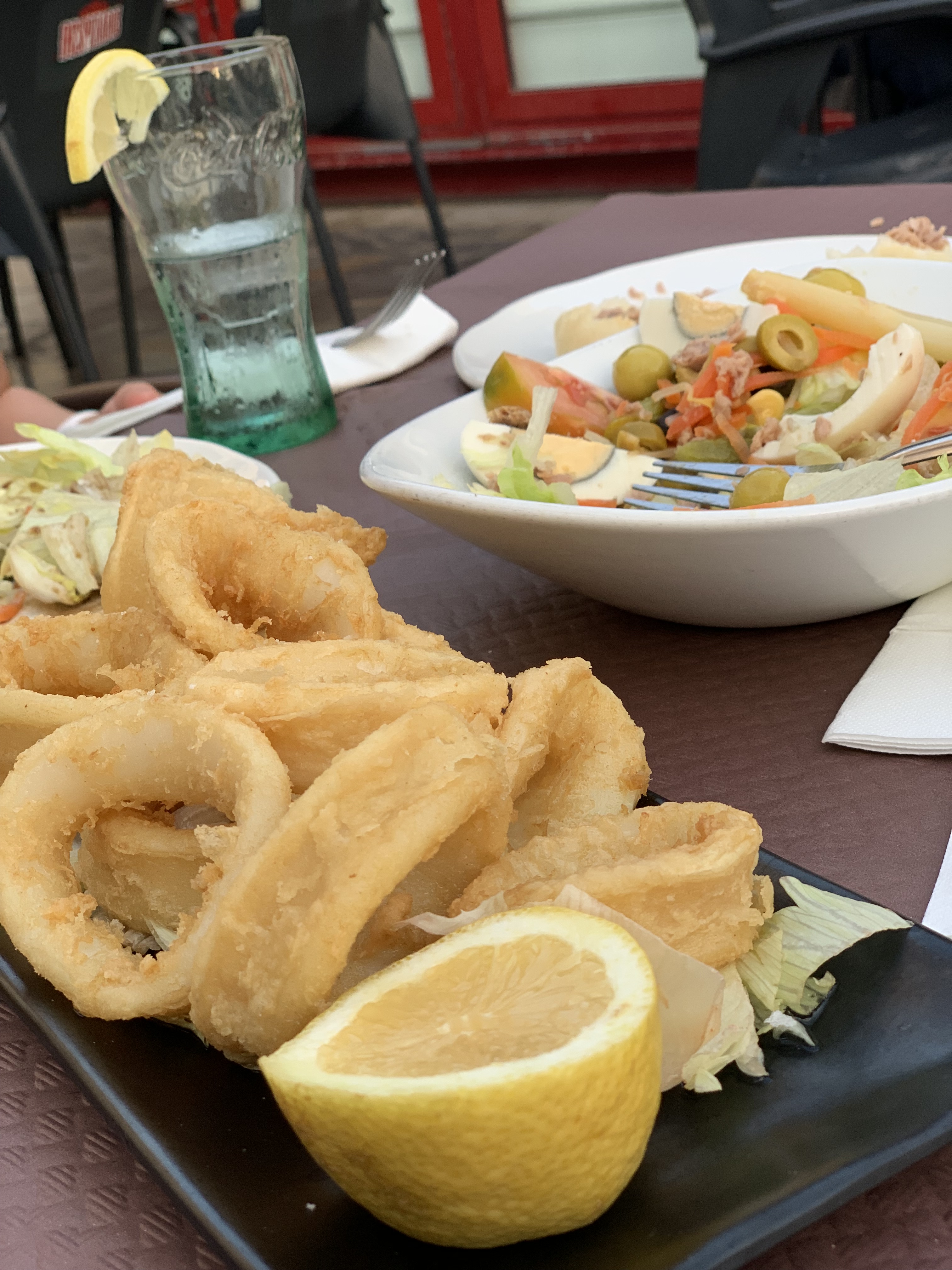
The kids played in the playground – both as a threesome and with other Spanish kids. We watched and enjoyed a bottle of better than expected rioja and somehow embarked on ‘the chat’.
Not the ‘are we going to go exclusive’ (too soon?) chat; or the ‘are you breaking up with me’ (too late?) chat. Rather the ‘did we do this at the right time?’ chat.
We had put our lives on pause, put our jobs on ice and laid a speed bump down on both our kids education and our financial prosperity. If there was a ‘straight line’ to get through life, this was not it. We are acutely aware that this is a big bet we are making.
So, is it too soon?
I guess it depends on your expectations.
Our expectations for the first 6 weeks of this adventure (the ‘travelling’ bit, where we are moving every couple of days) are quite different from our expectations of the ‘living’ bit (where we will base ourselves in Aix and try to immerse into the language and culture).
Travelling with kids – be they relatively younger or older – is not the same as travelling as a backpacker or a carefree couple. The pace is slower, the focus is different. If we were looking to tick off the guidebook (always tempting, particularly for a Joseph), we would be failing. We have had to pick our destinations with more care, provide more history and context to make things more relevant and comprehensible and generally not overdo it. We are learning to minimise (but not necessarily avoid) the odd tantrum to make sure that everyone gets what they want out of the holiday.
So is it too early at 9, 7 and 4?
Is it too early for the kids to retain photographic memories and deep understanding of everything we’ve seen? Yep but we are OK with that. (In fact, we kind of hope that when they come back here themselves when they’re older they will still get that ‘first time’ buzz when retracing some of their steps).
Is it too early for them to always cope whilst we drag them around all the historic sights of Europe in the height of summer? Absolutely.
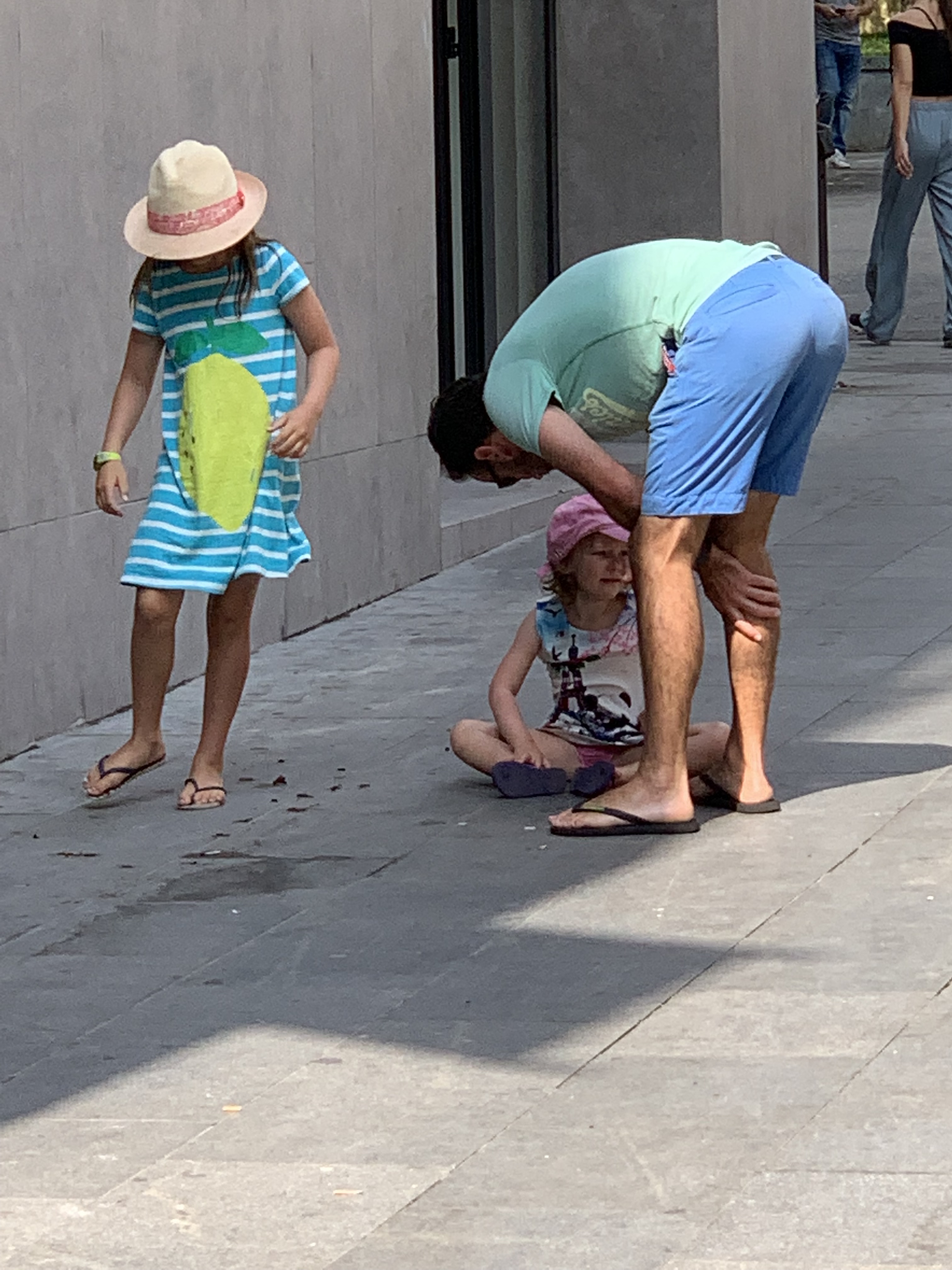
Is it too early for them (and us) to appreciate the experience, to understand that there are different cultures, languages, religions and social norms that we need to be conscious of and respect, no matter where we are? Definitely not (and we are learning this, even if we are, without exception, the loudest family in the vicinity. We are a work in progress on that one)
Is it too soon for them to learn how to travel, how to take public transport, take responsibility for their stuff and learn to navigate? Not at all.
Is it too soon for us to bond as a family, for the kids to bond as sisters and for us to enjoy a combination of family time and one-on-one time with each other? Nope.
Is it too early for us to spend the time together and to learn new things – whether it be how to teach kids, how to learn new things, how to make a fool of yourself in another language, how to connect with people from other places or how to wave at fish under water? Absolutely not.
And the deeper we get into this experience, the more sure of ourselves we become.
The world’s problems resolved and the bottle empty, we started to think about making our way home. It was now about 1030pm, and since we’d been there, the restaurant had completely filled up (mainly with young families), including a line of people waiting for a table. Babies, toddlers and primary school age kids happily played in the now dark playground, still waiting for their dinner. Much as we tried, we still weren’t used to this.
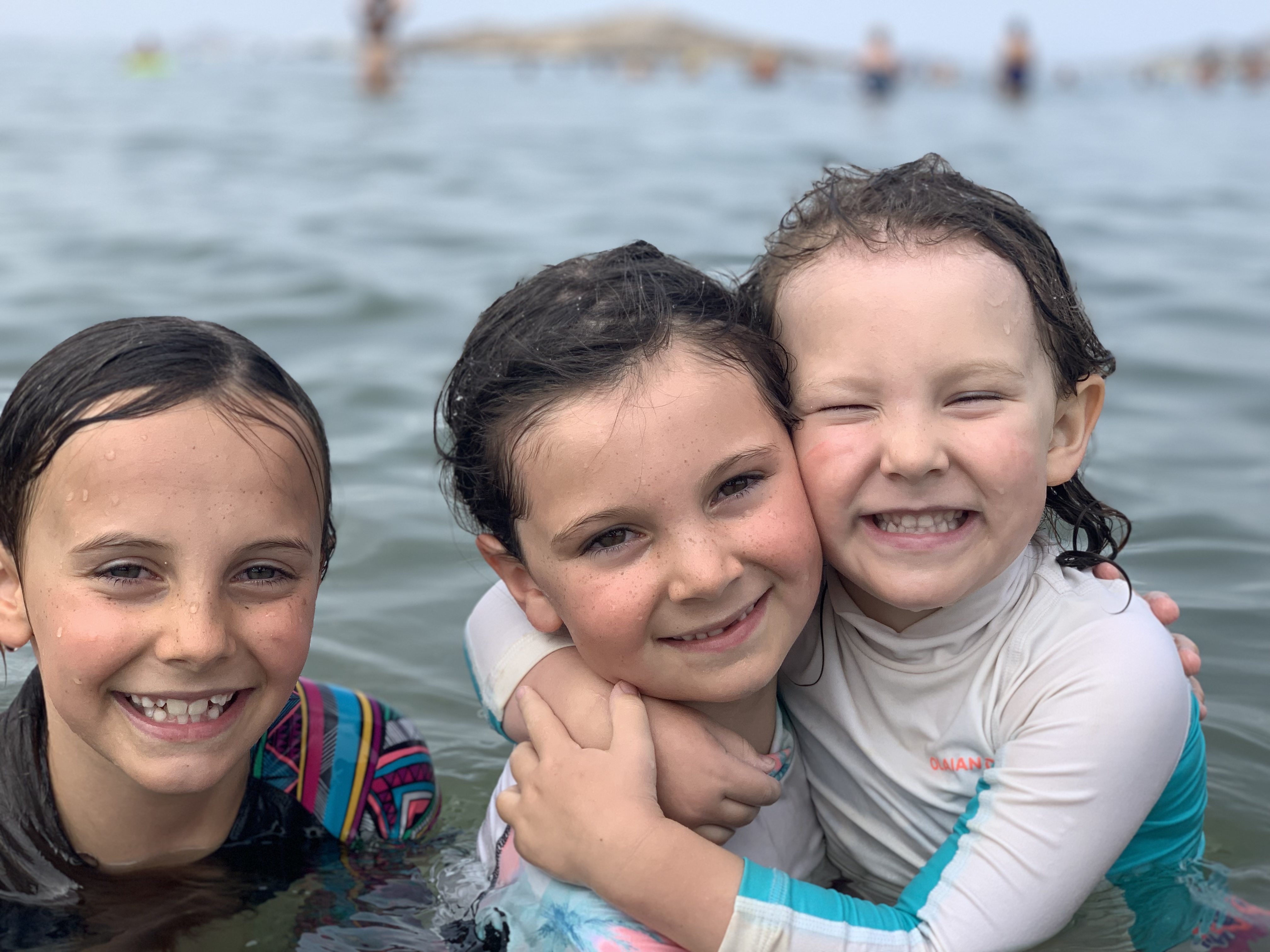
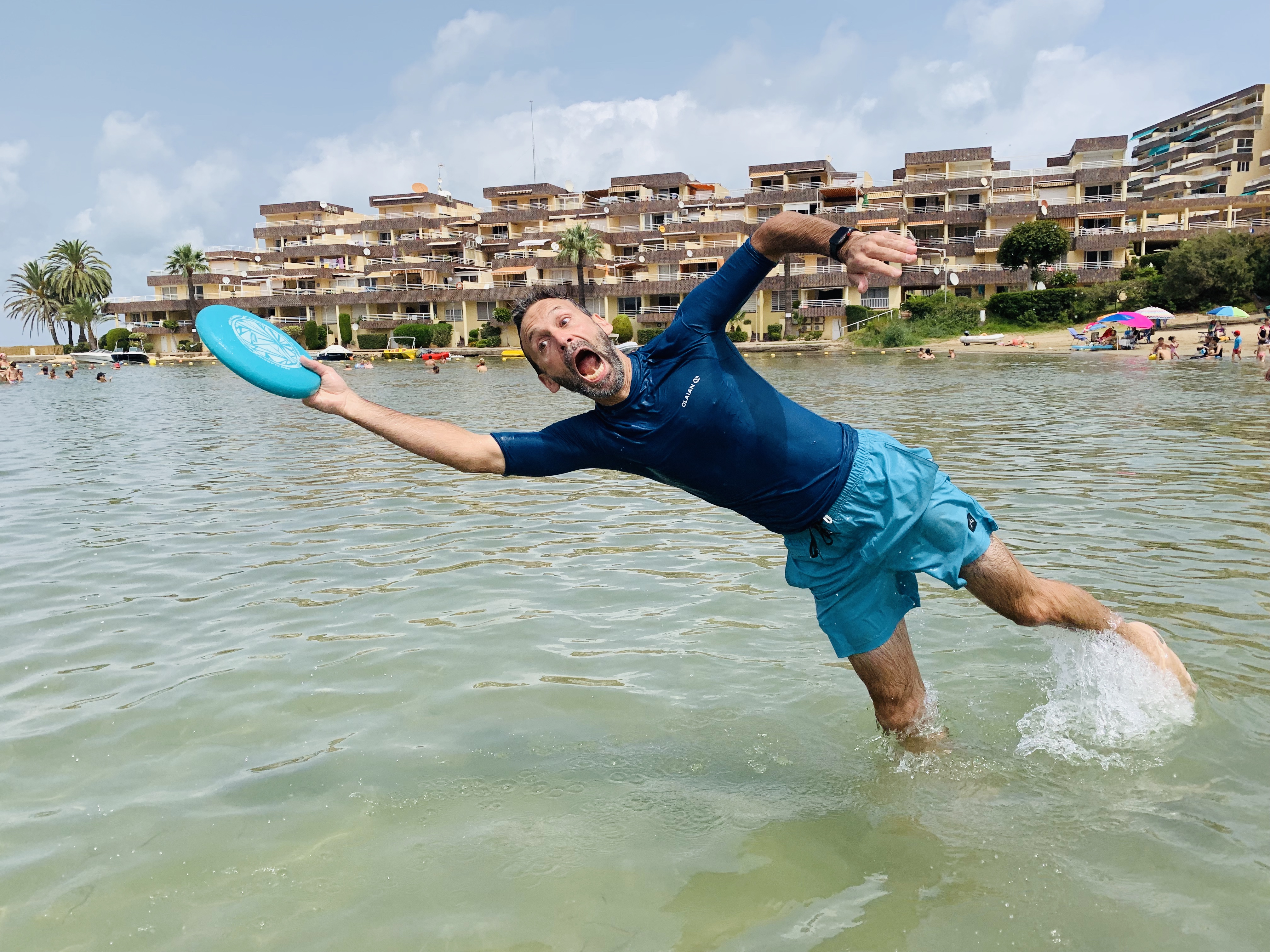
We spent the following morning exploring ‘La Manga’ a long tongue of a peninsula which mostly separates the Mediterranean from the Mar Menor about 30 kms from Cartagena. It looks a bit like Cancun, so we weren’t expecting big things – we were looking for a cruisy morning and that’s what we got.
Calm water and a small beach, perfect for swimming, beach cricket (OK, they looked at us a bit strangely, but we’re sure it will catch on), frisbee and classic catches (more strange looks).
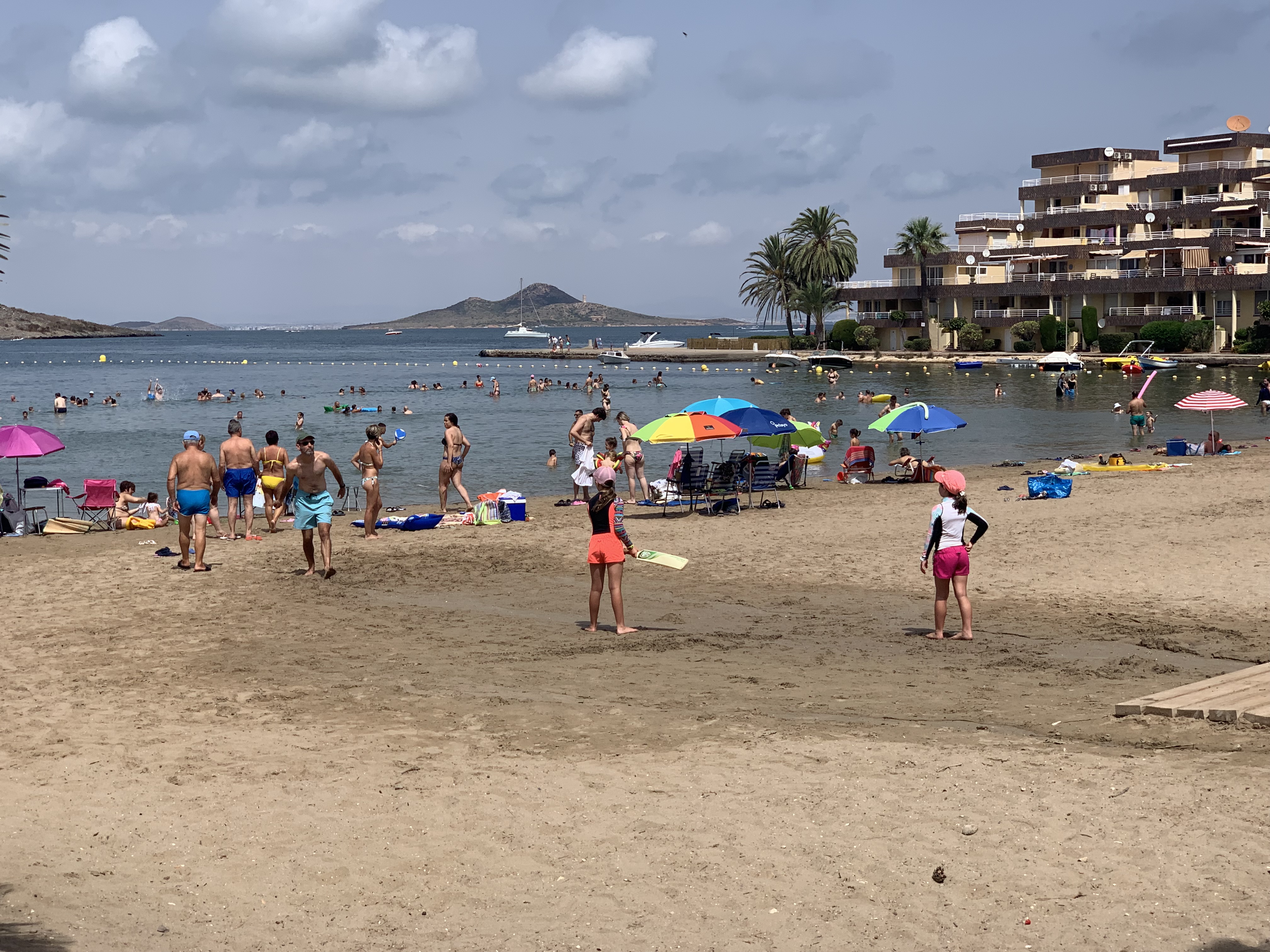
Spot the Aussie’s
In the afternoon, we delivered on the terms of yesterday’s agreement and delivered a full afternoon siesta. Books, homework, diaries, painting nails and even a movie. Who could ask for more? There was a slight feeling of guilt to be spending an entire afternoon doing nothing, but that was the agreement (and secretly it was a little bit awesome).
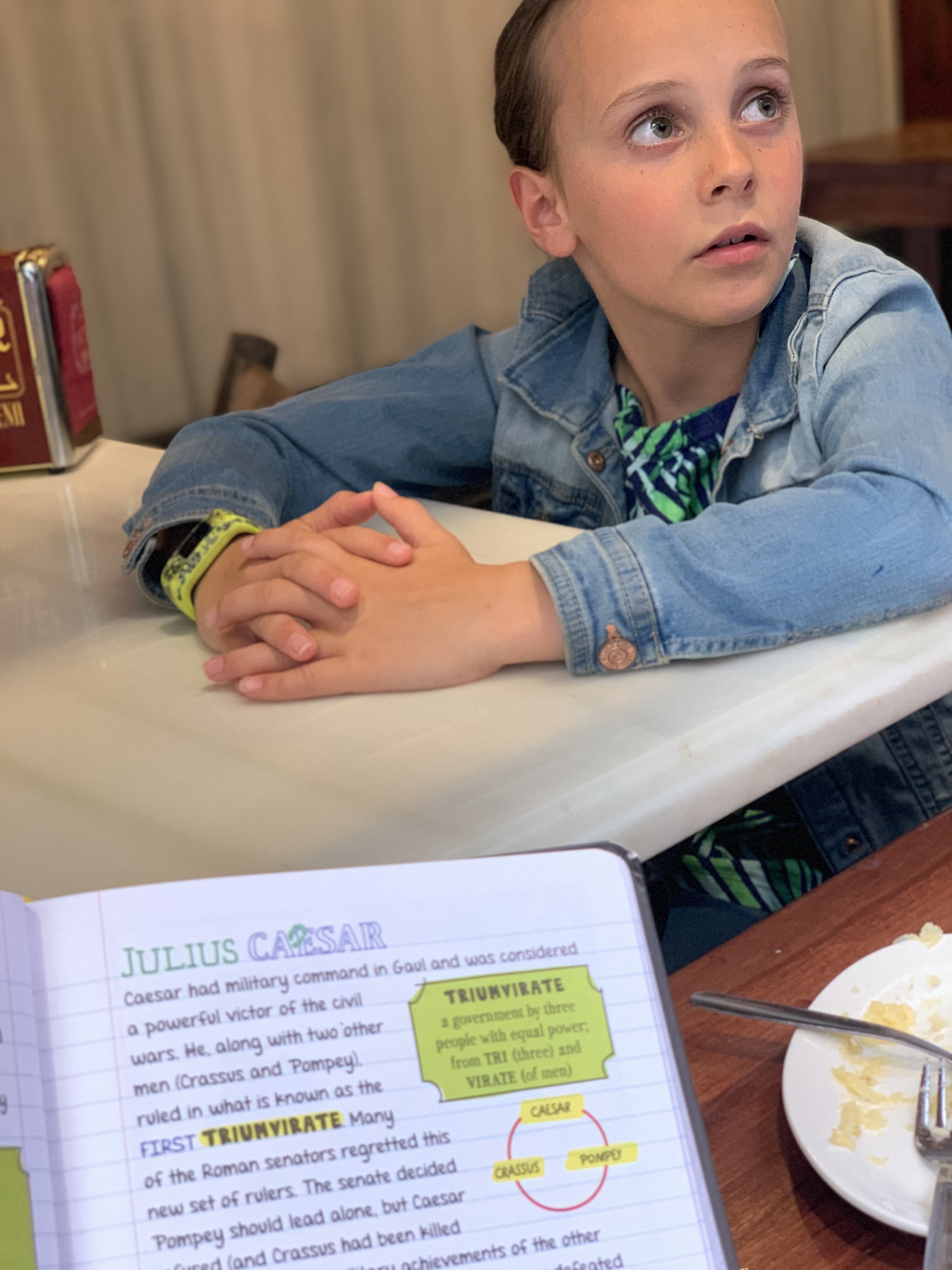
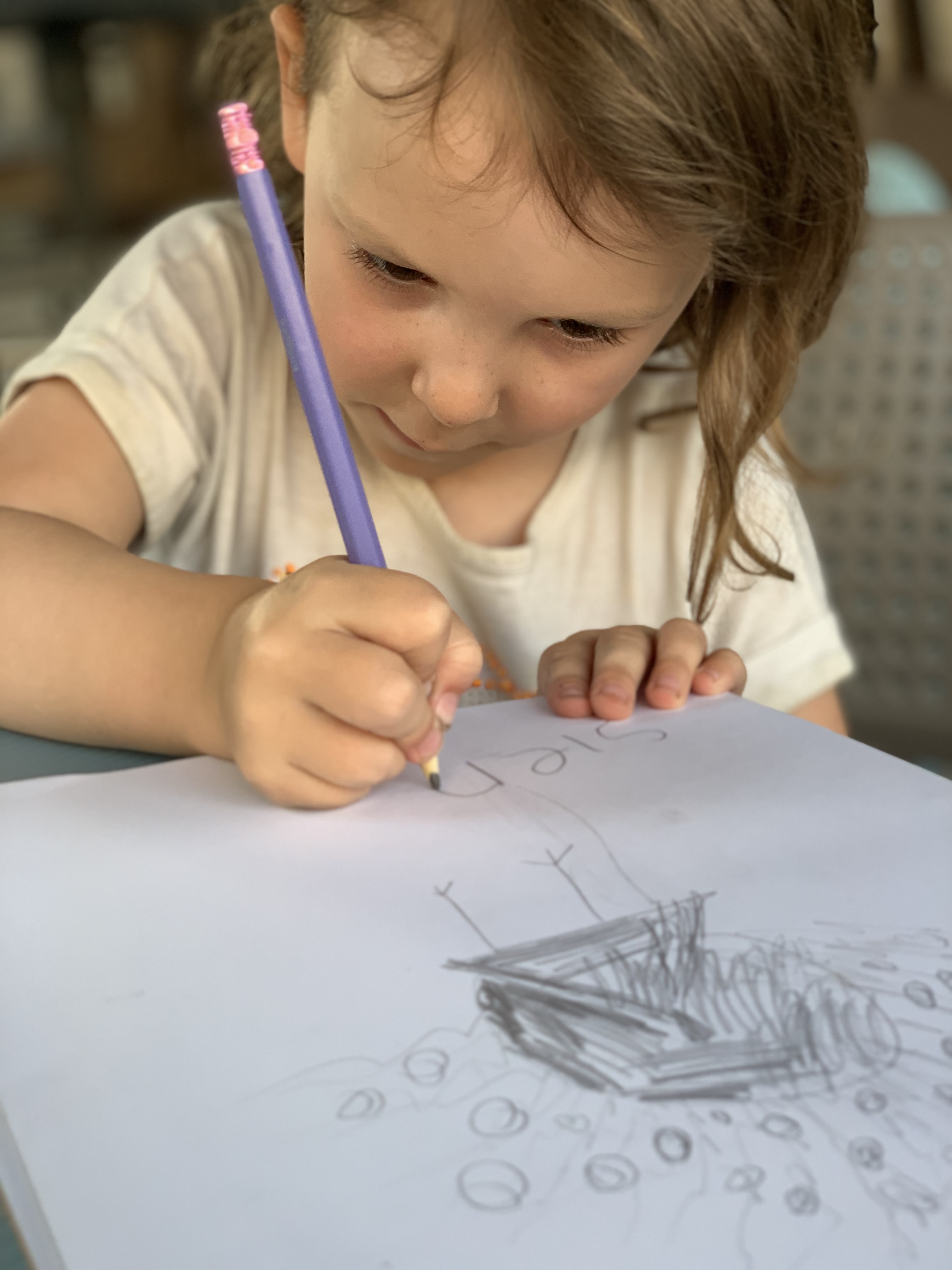
Once the evening hit, we hit the bar downstairs from our hotel for a warm up drink and some quality time with our ‘Big Fat Notebook’ (a kids history of the world and a real favourite with the girls) and for Sena to work on the latest of her peacock series (Peacock #103). We were there for about an hour and, for once, the kids were quiet and engaged, and there was no yelling (from anyone). Unbelievable, I know.
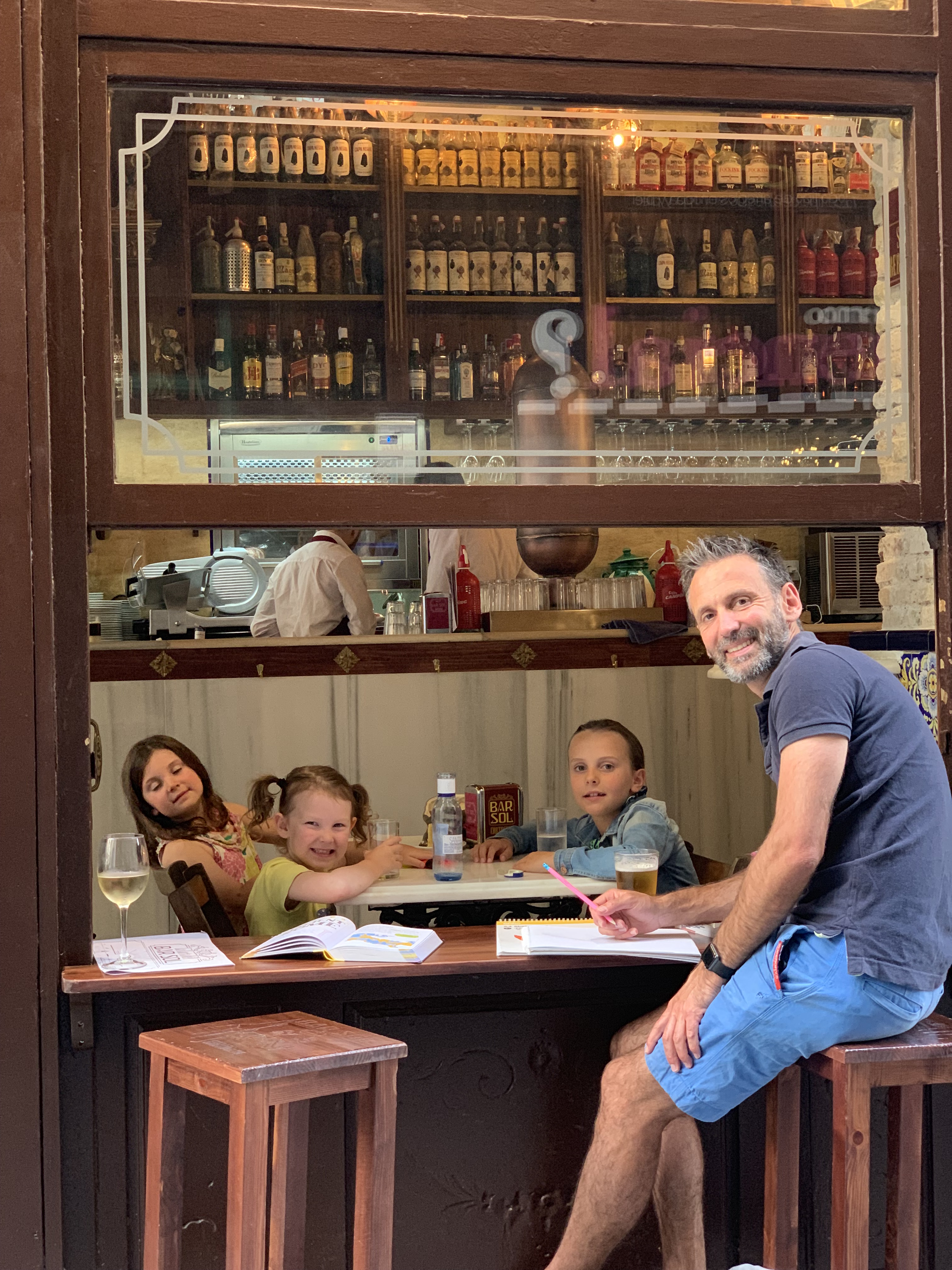
Note from Anthony here: On leaving the bar, one of the waitresses stopped Liz and, slightly embarrassed, called her a ‘mama maravillosa’ – a marvellous mother. Something we know already, but lovely to be called out by a stranger. The fact that the waitress was embarrassed by this is also a bit indicative of the culture of the place – a little bit reserved but friendly and welcoming once you make an effort with them.
After our warm up drink, we made our way back to our now favourite playground/restaurant, via (at the kids request) the same church as last night. As we ate our dinner (focussing this time on local tapas rather than the kids whims, which resulted in a far better experience) we talked a lot about how we felt about this slightly strange and mysterious city. It has slightly caught us by surprise and really taken us in.
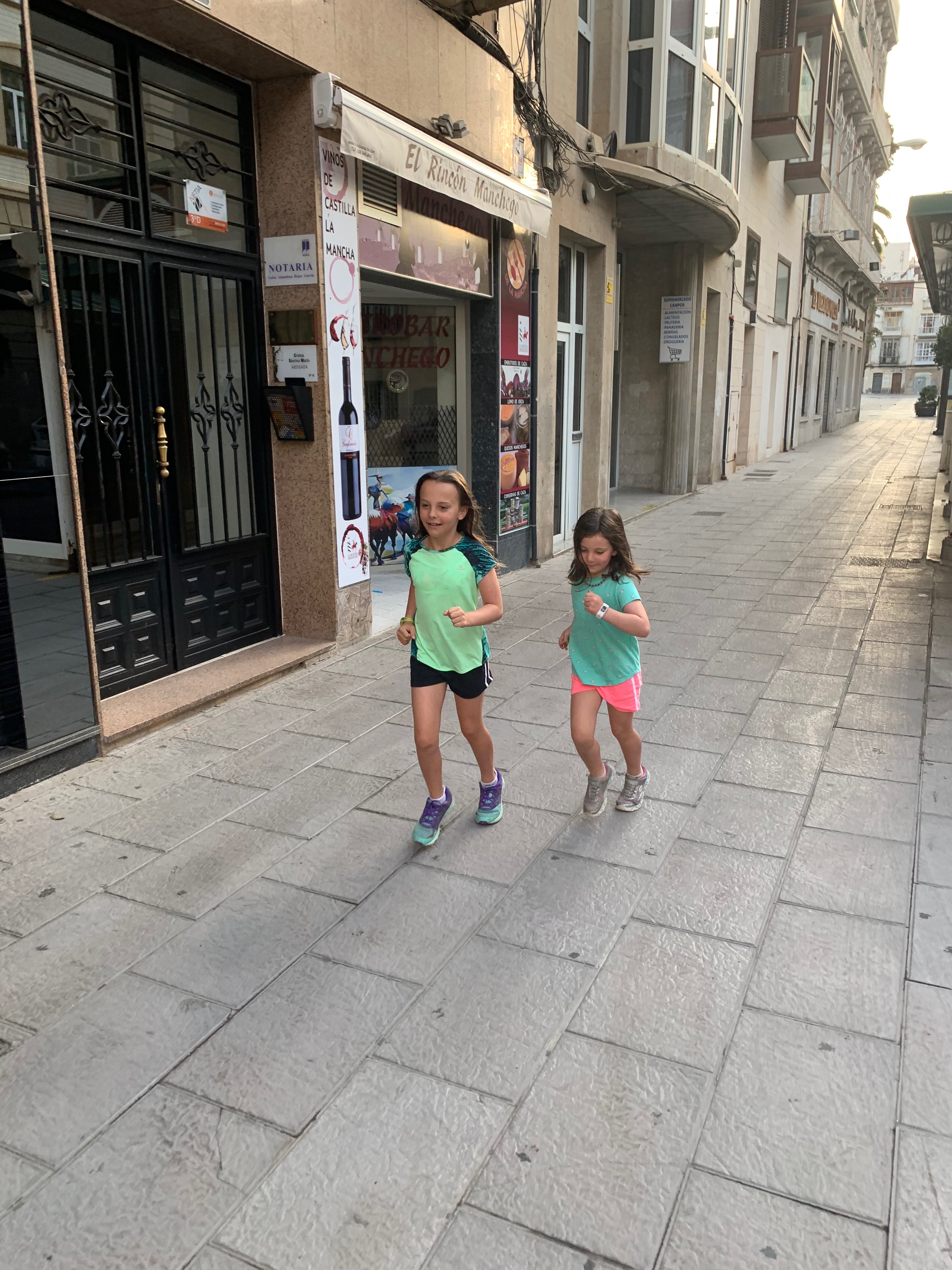
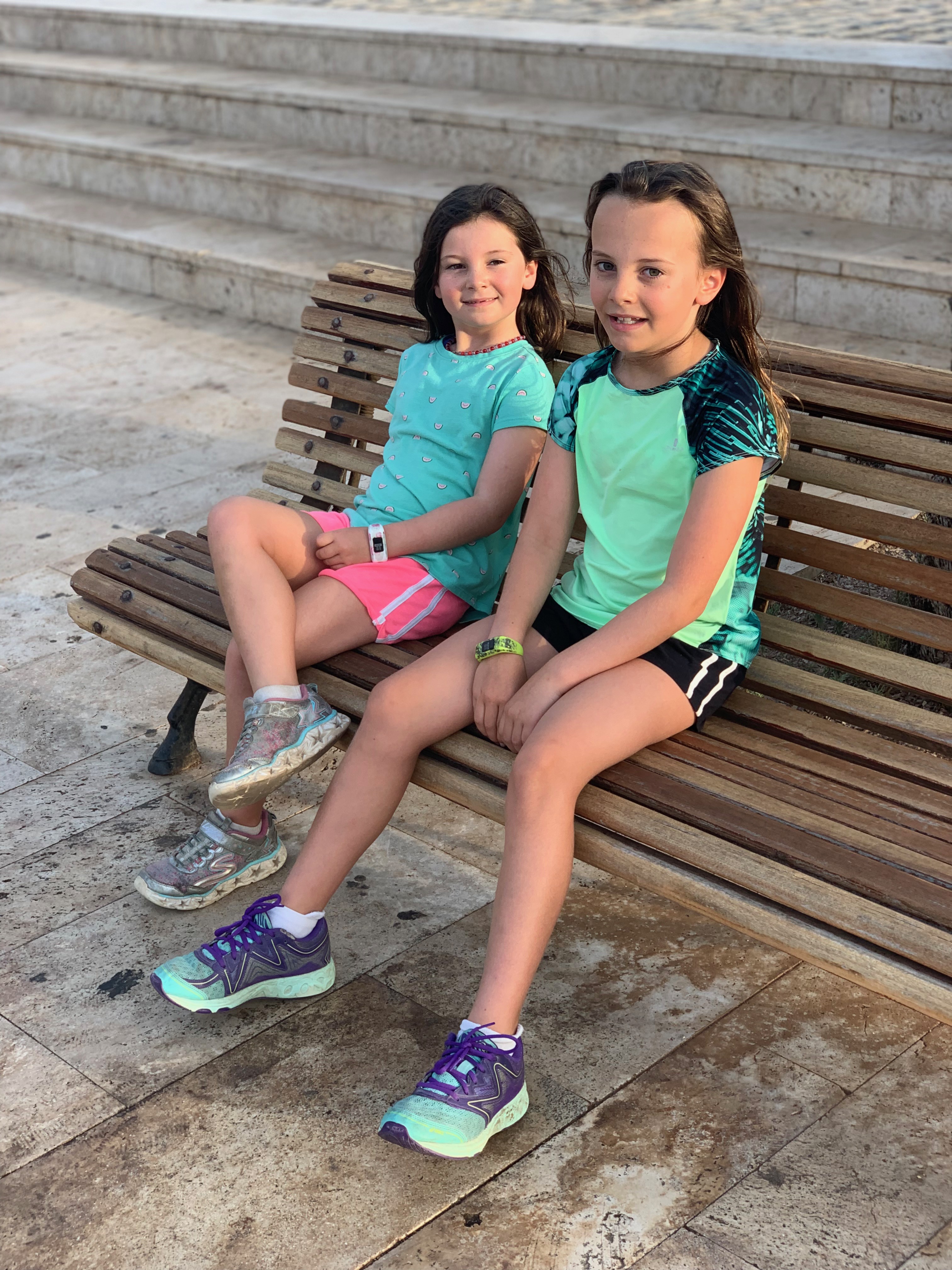
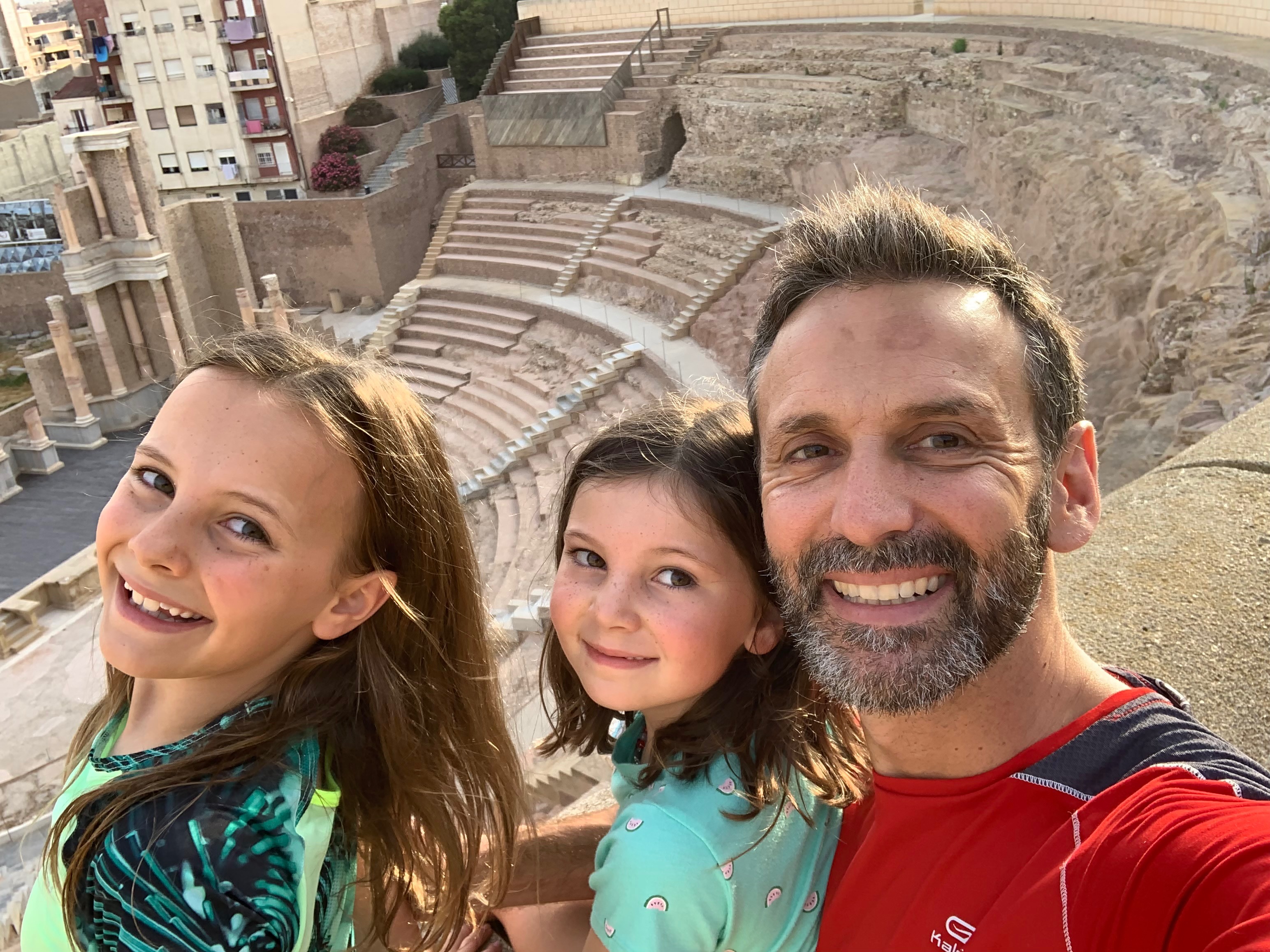
The following morning was the inaugural Joseph family running club hit out, as Jessie joined Ellie and Anthony for an early(ish) morning run around the old town, port and amphitheatre. (we’ve decided that running as a single or double does not constitute a club, whereas three clearly does). We stopped to chat about Roman history at the amphitheatre and then for a recovery coffee/sprite in Placa de San Francisco under the massive fig trees at the end. It was a lovely way to start the day and say goodbye to Cartagena.
From there, we loaded the car, successfully navigating around the ridiculously tight car park for the final time and hit the road, heading 2 hours south west along the coast to our next stop, Almeria.
 Joseph Family Adventure
Thanks again for sharing. I only knew of Cartagena in Colombia (not in Spain) sounds like an interesting place. Chat again soon.
LikeLike