4 – 7 August 2019
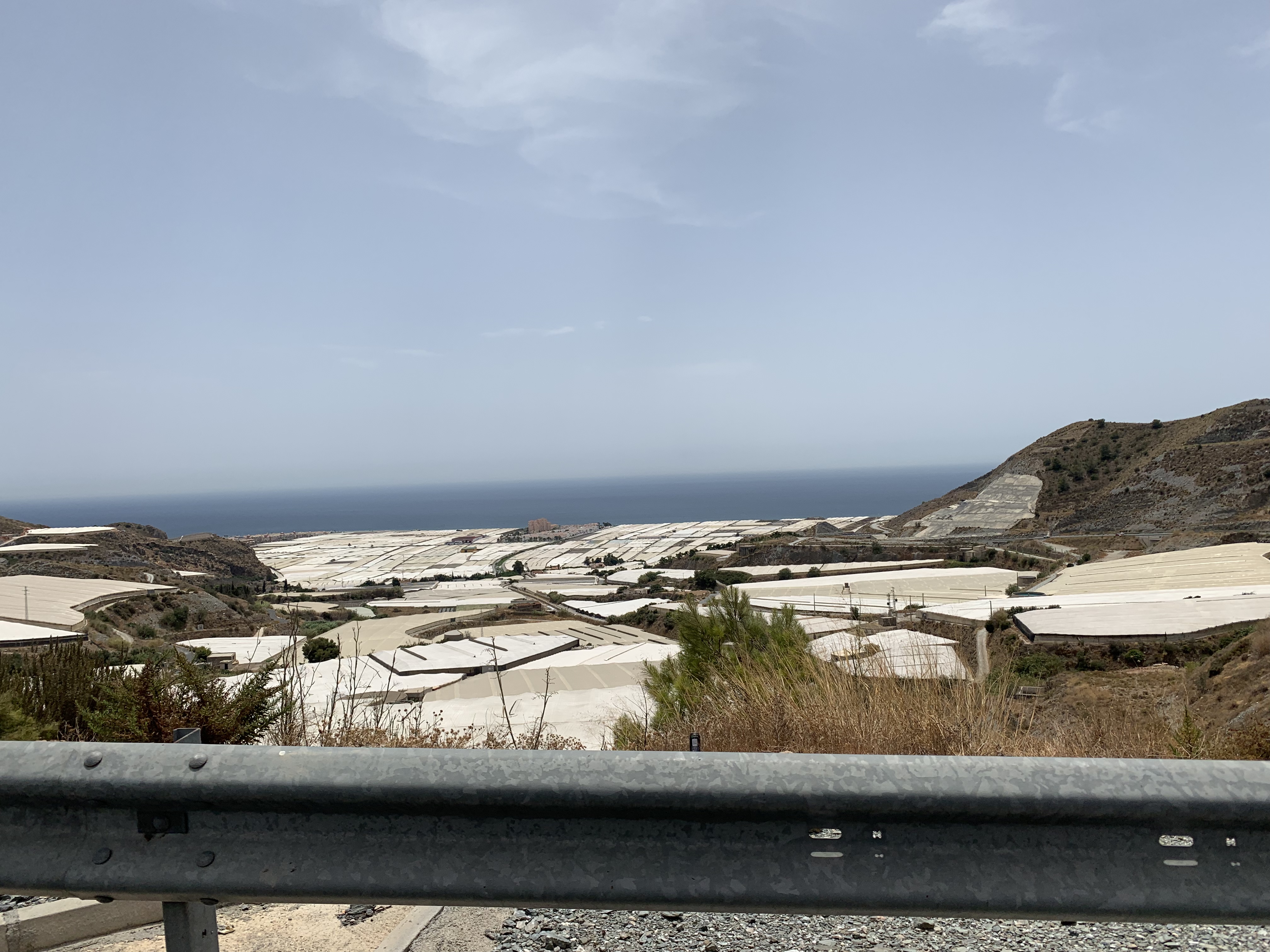
As we made our way down the autopista towards Almeria, we were intrigued at the desert like terrain punctuated by periods of dilapidated looking greenhouses and olive trees as far as the eye could see.
These desert greenhouses (some 100,000 acres of them) survive in the desert through a combination of (ever decreasing) groundwater and (more recently) desalination plants. They are responsible for the production of the majority of low quality produce found in supermarkets across Europe (and no doubt Aldi in Australia). The locals seem to have a love/hate relationship with them – calling them the ‘Mar de Plastico (Sea of Plastic), whilst secretly loving the fact that they are vastly more economically viable than growing desert scrub (this region was previously the poorest in Spain).
En route to our next home, we decided to take a detour into the desert north of the town (we are suckers for a good desert landscape), much to the chagrin of the girls who were busting to get to the beach.
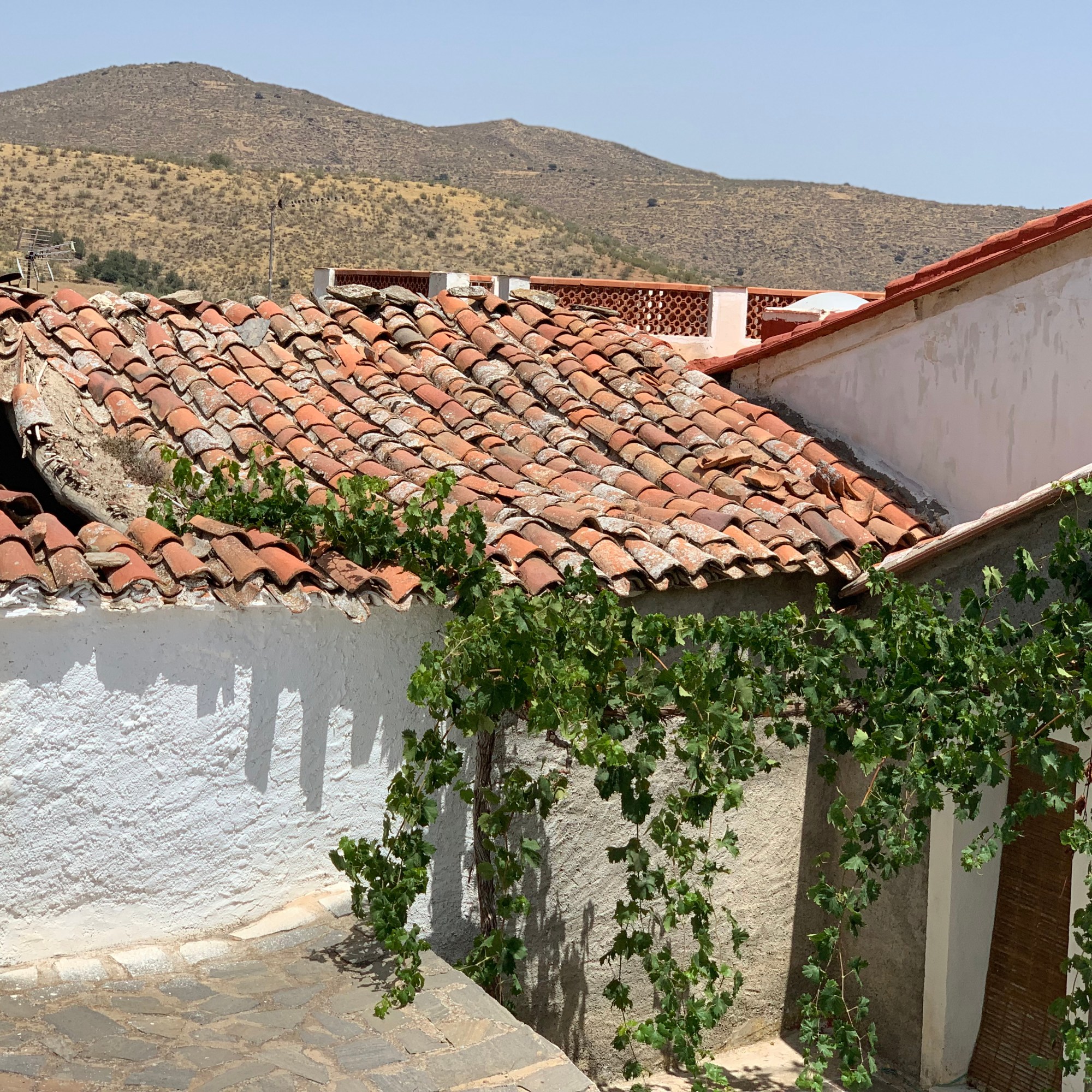
Our next stop was the beautiful village of Tahal (population 324), high up in the mountains north of Almeria. The views were stunning. The desert landscape seemed to stop abruptly as we reached the summit of the range, replaced by established trees on the other side. Anthony, clearly recalling Year 9 geography class, explained to the kids about convection currents and rain shadows in the mountainous region. In actual fact, it turns out that the whole area was forested until the Romans, the Moors and subsequently the Spaniards got to it, removed all the trees and effectively created the desert. Nothing to do with rain shadows at all. Another instance of Anthony being both certain and wrong at the same time. Luckily the kids will never know.
The second stop was a quaint little town called Tabernas famous (at least in the region) for where olives go to get squashed into ridiculously tasty extra virgin olive oil (we can vouch for that), and more internationally, as the backdrop for a number of western films (including a range of spaghetti westerns and, more notably, Lawrence of Arabia). The town itself seemed to comprise largely itinerant workers (no doubt servicing the Mar de Plastico) but did have a lovely main square and church that we dutifully toured at the behest of our newly evangelical children.
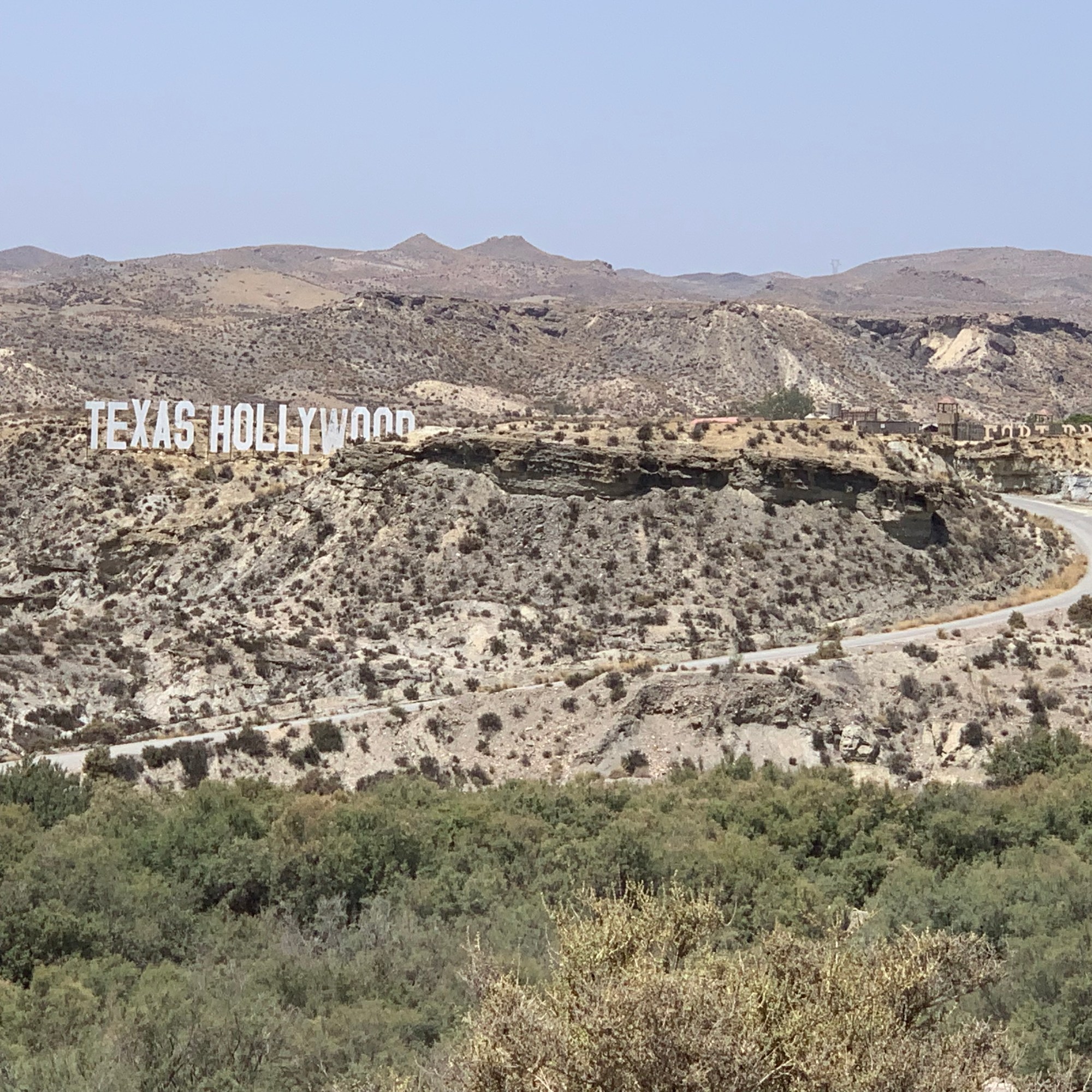
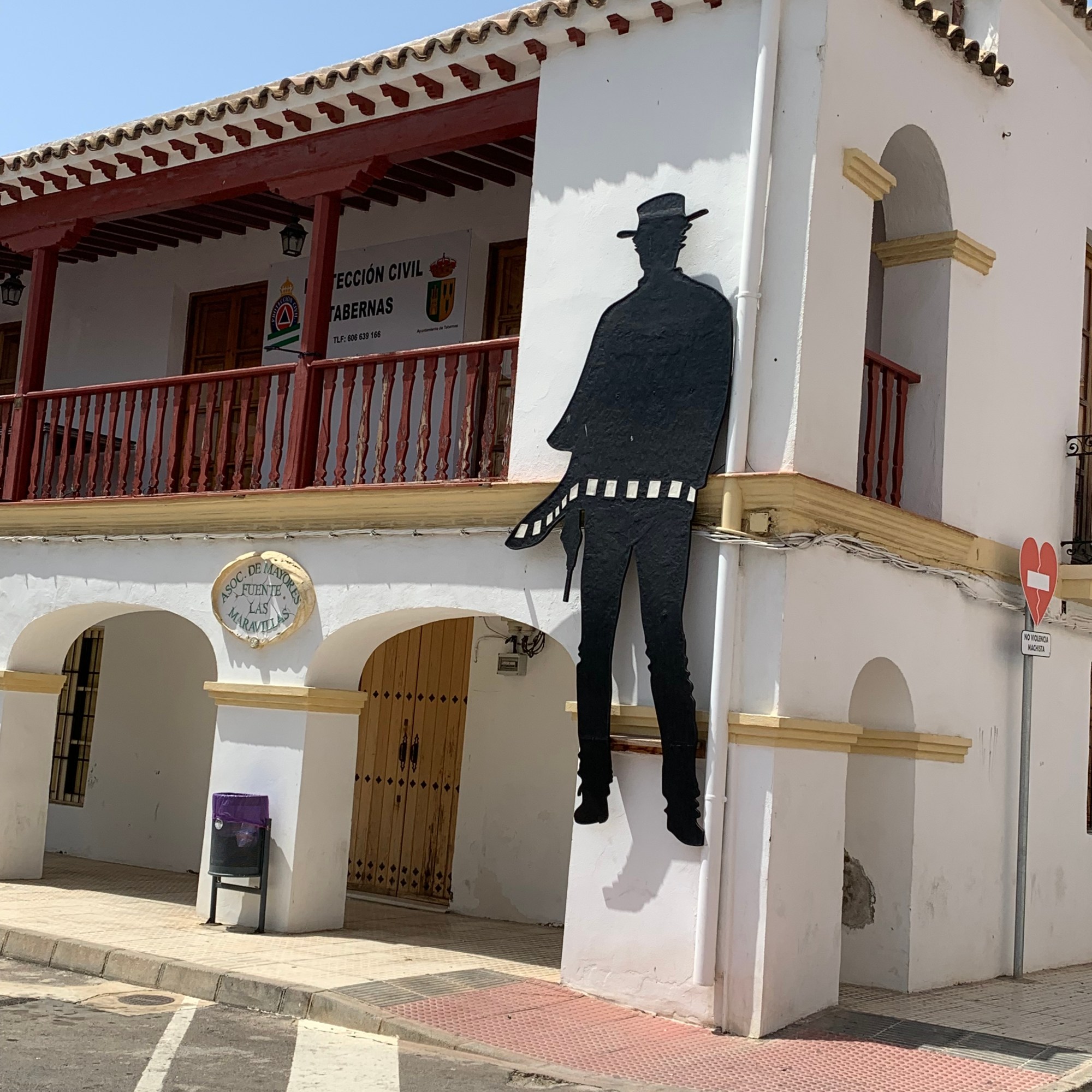
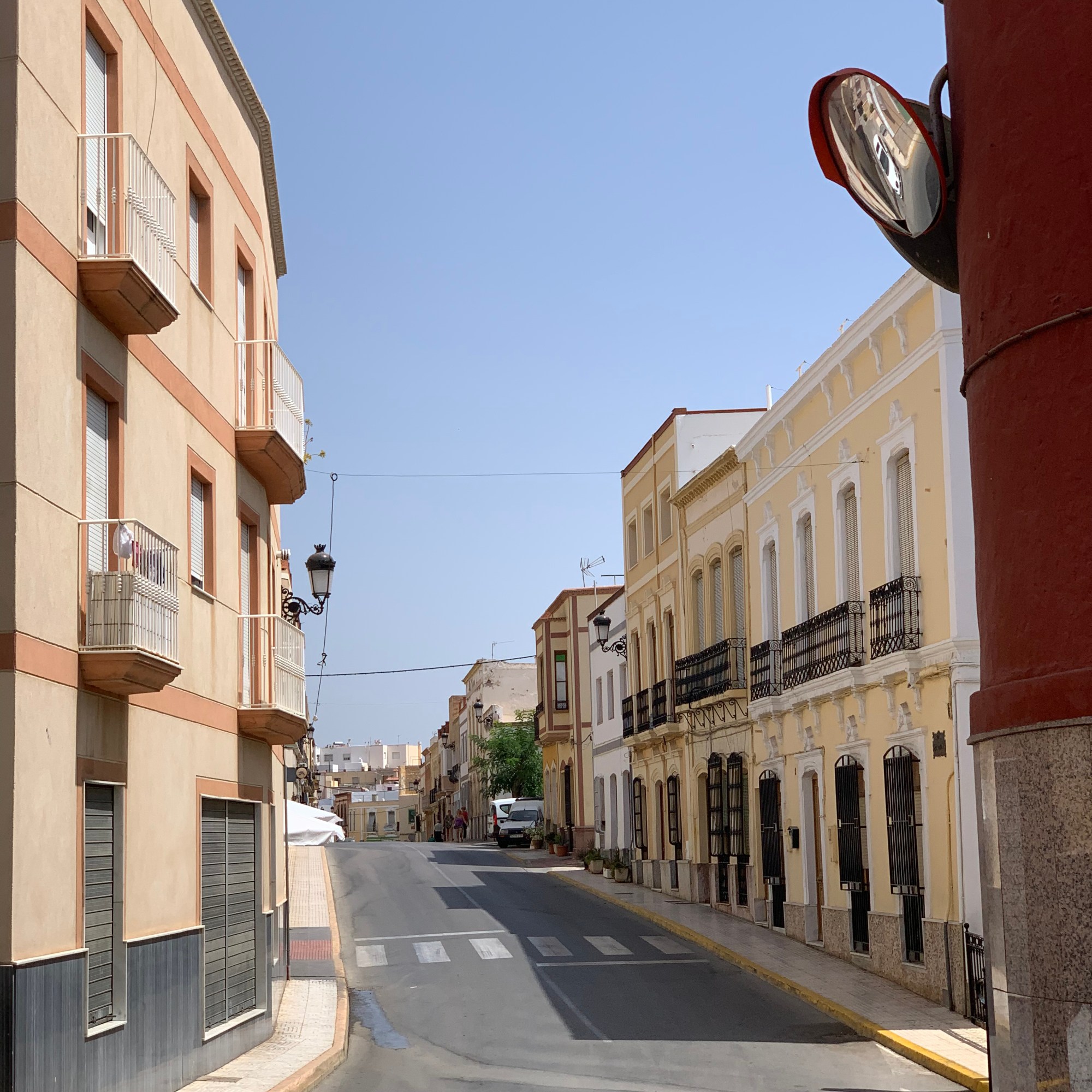
Around the town was some amazing desert landscapes and a series of very run down looking establishments trying to lure us in to see where various westerns have been set. We resisted the temptation and headed south to Almeria, to drop our bags and head to the beach.
Almeria itself is an interesting place. Famous now for being the capital of the Mar de Plastico, previously it was an important Roman then Moorish strategic asset (its Alcabaza (fort) is the second largest in Andalucia after the Alhambra in Granada) before returning to Spanish hands in the late 15th century.
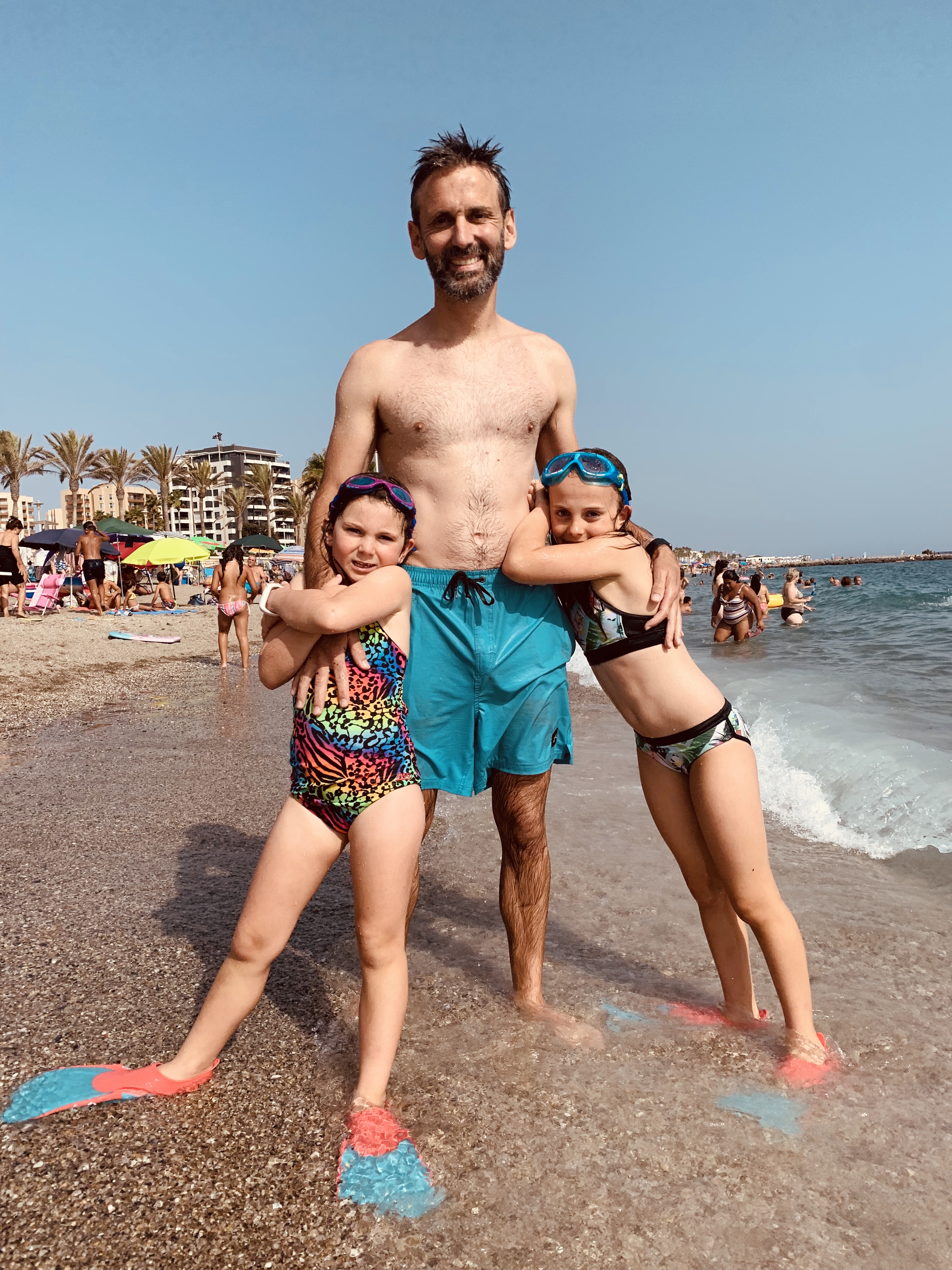
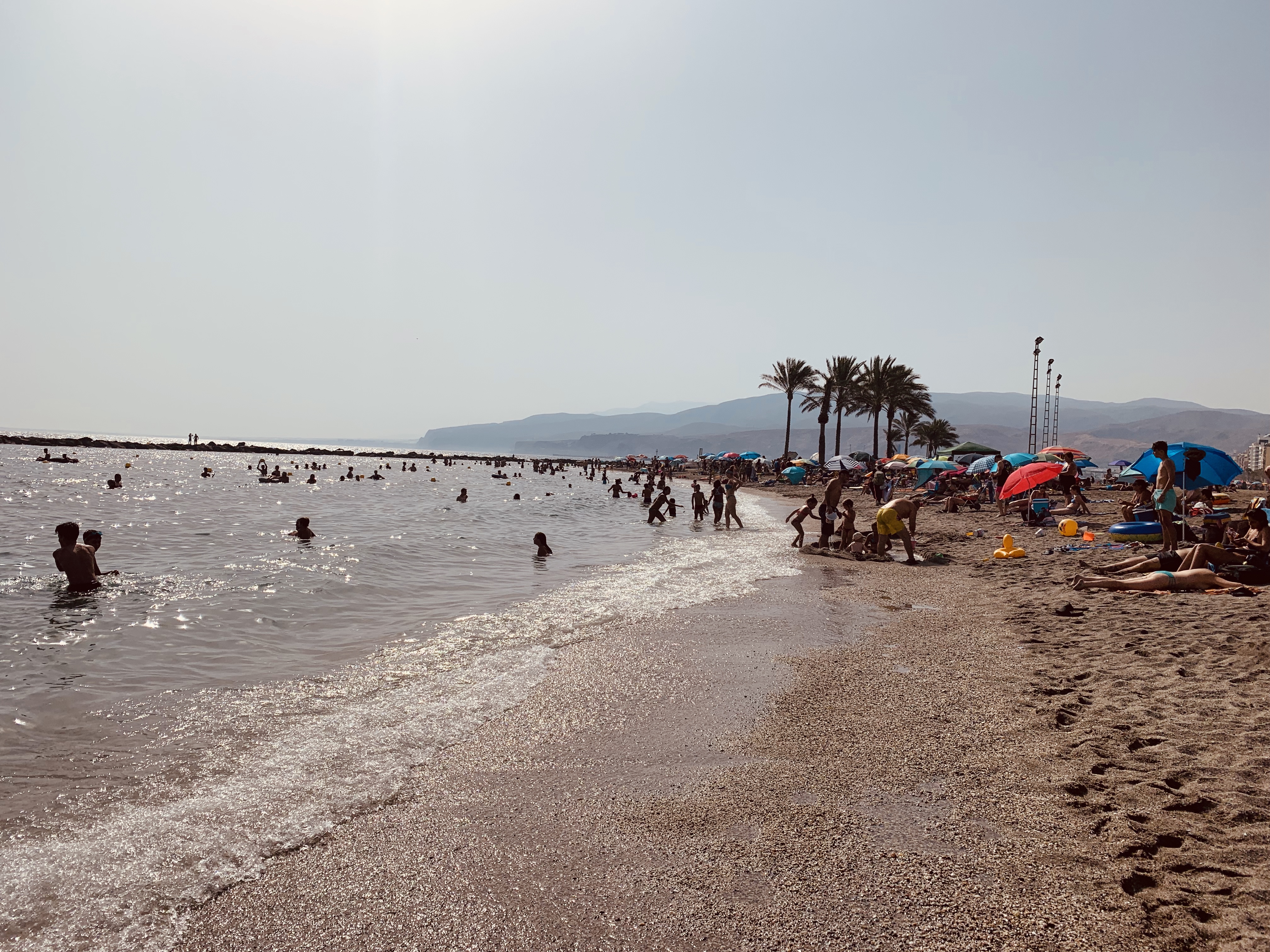
After getting settled at our lovely (by which I mean adequate) Hotel Torreluz Centro (much to Ellie’s disappointment and concern, we were staying at the 2 star establishment, rather than the 4 star sister hotel next door) we made our way to a lovely beach on the outskirts of the city for a late afternoon swim and to shake off the drive.
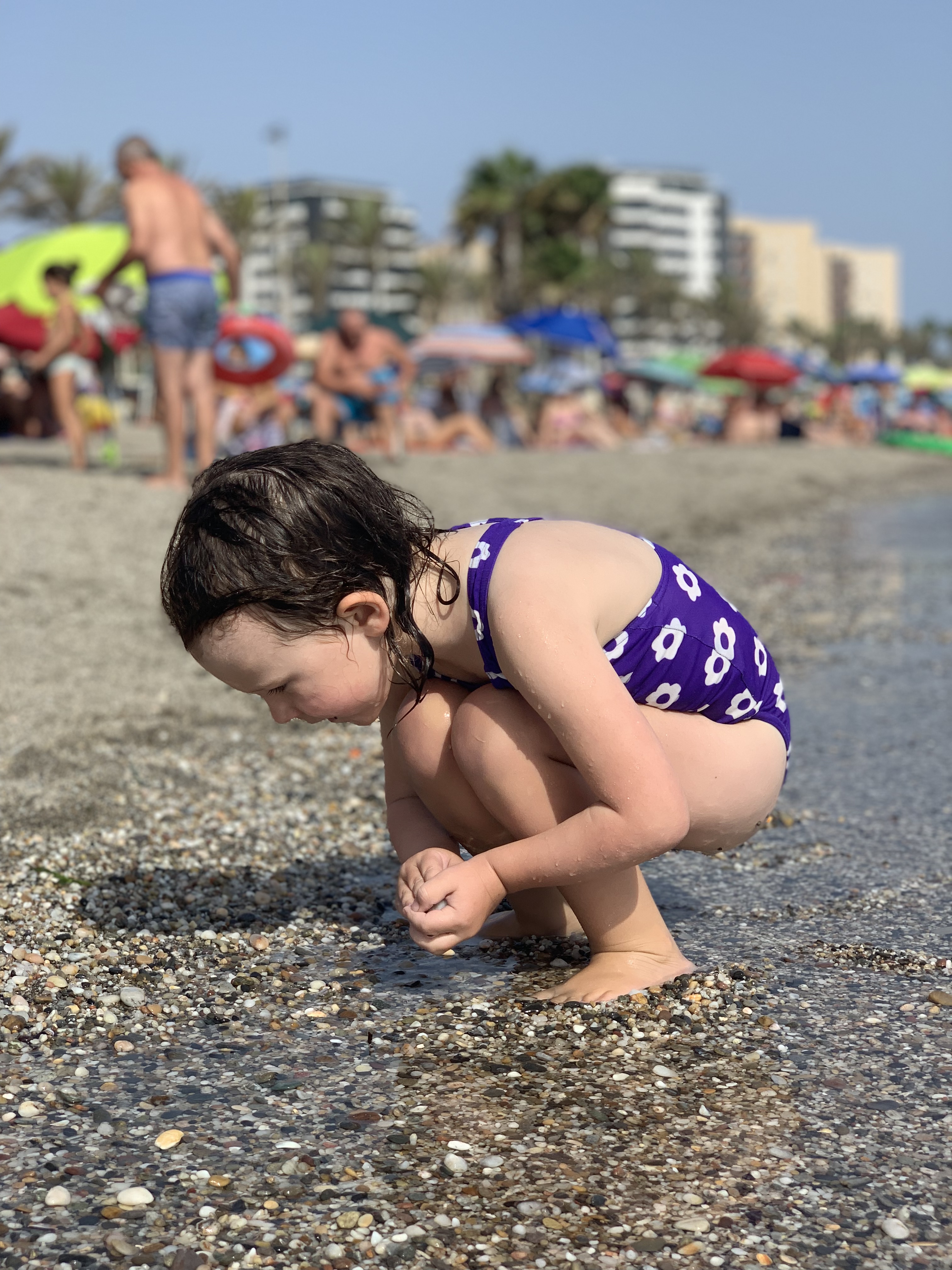
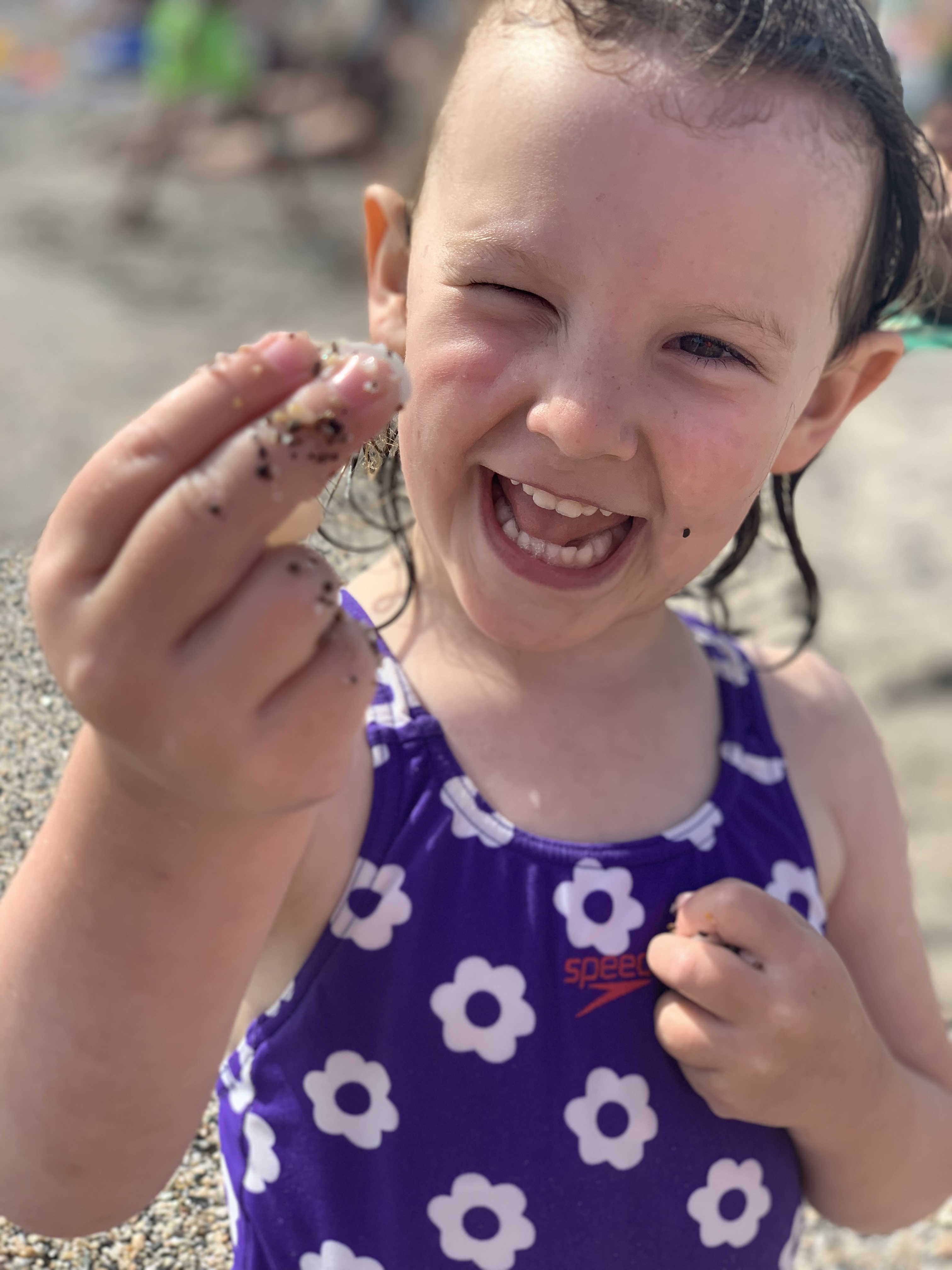
From there, it was time to tour the much hyped Andalucian tapas bars, one of which claims (unverified) to be the oldest tapas bar in the country (unfortunately closed for our first night) Casa Puga.
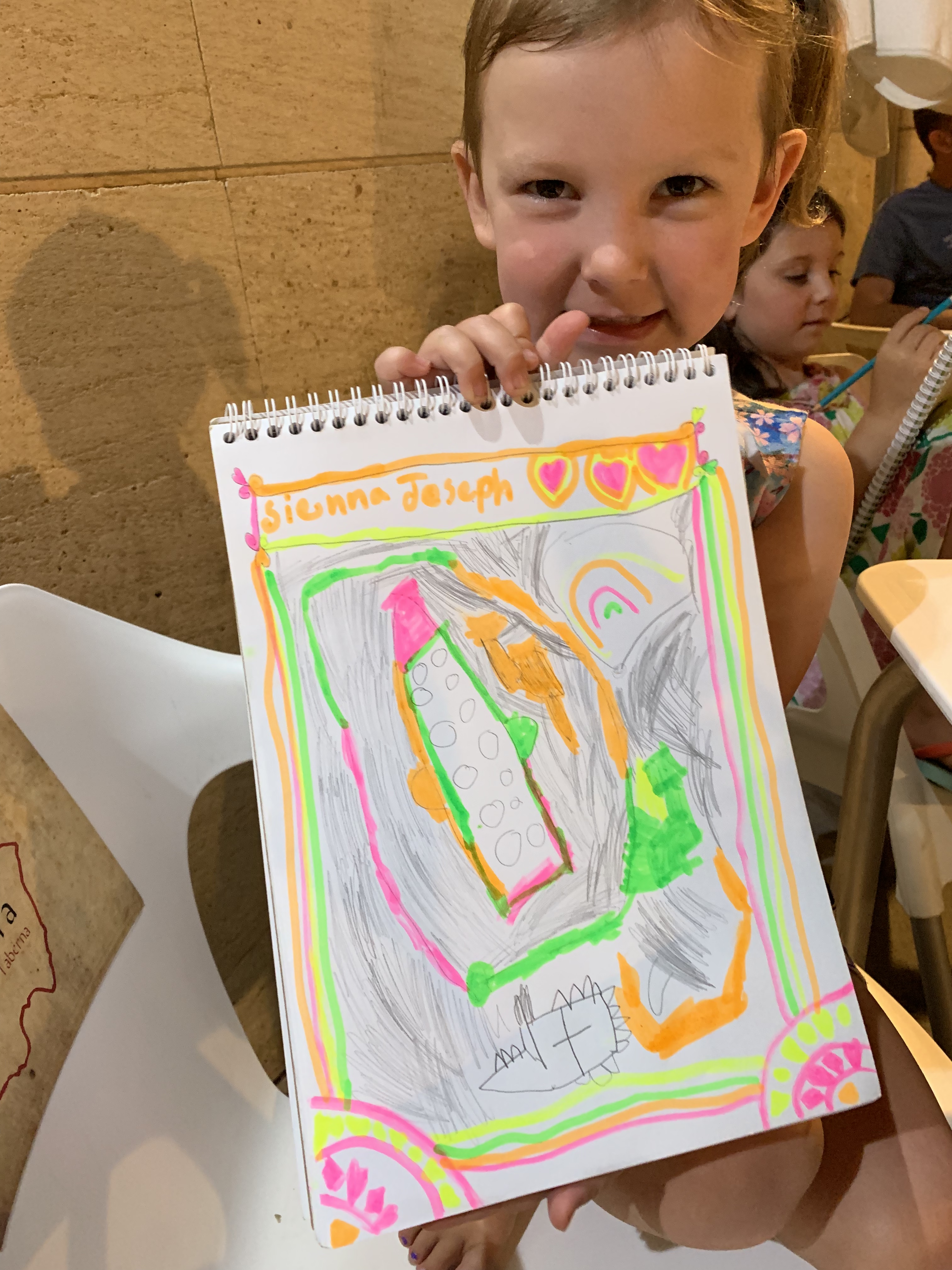
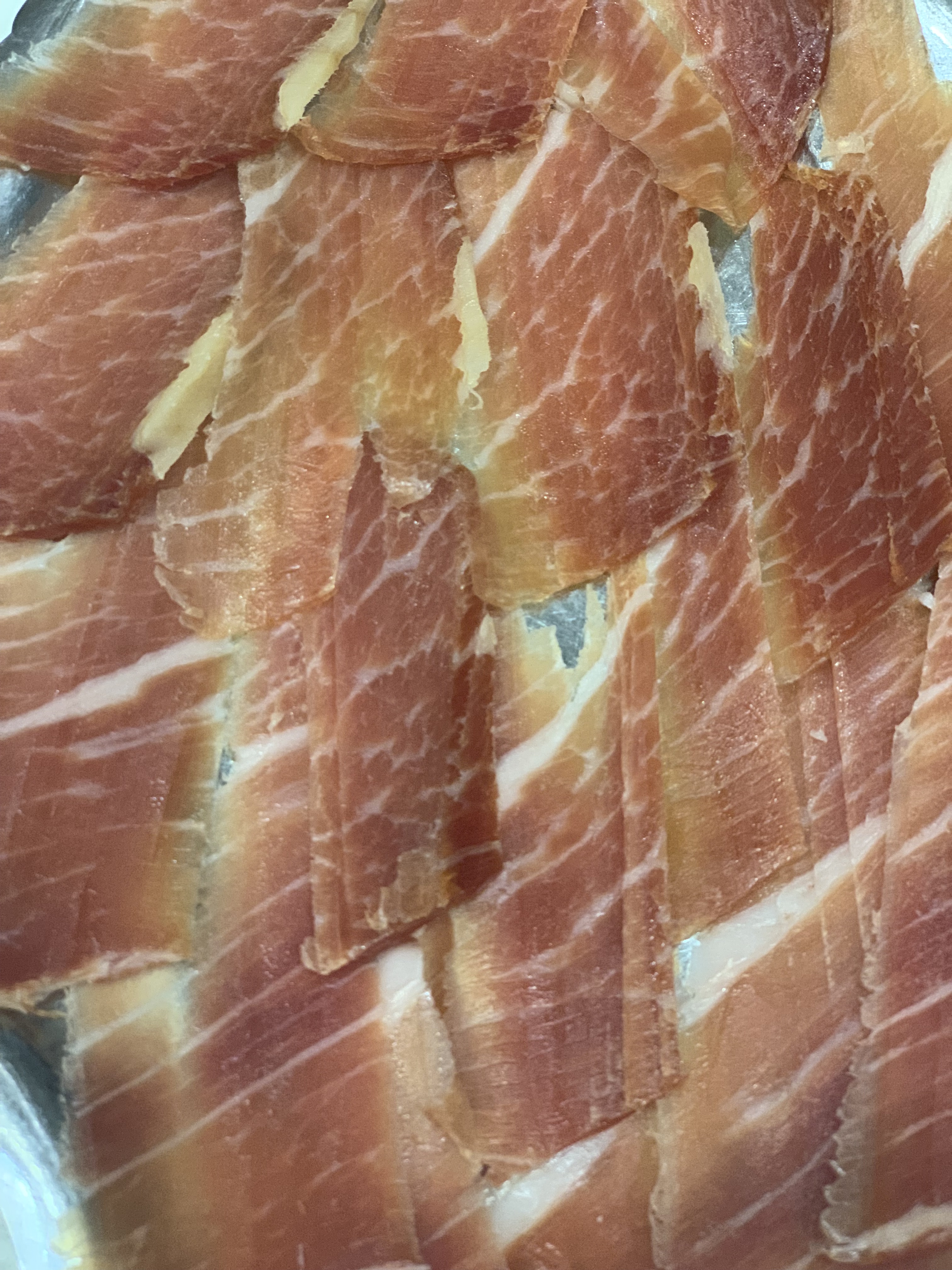
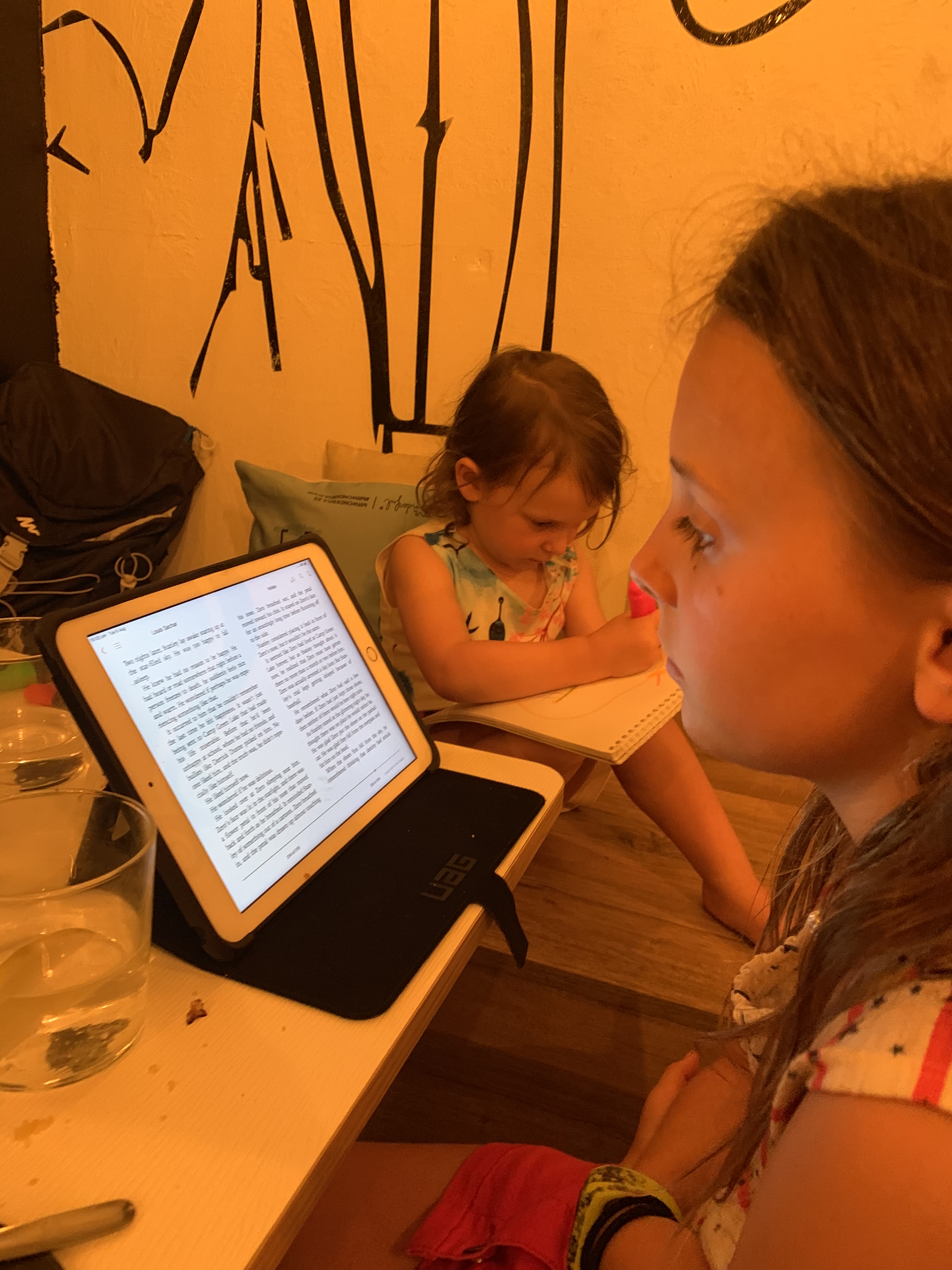
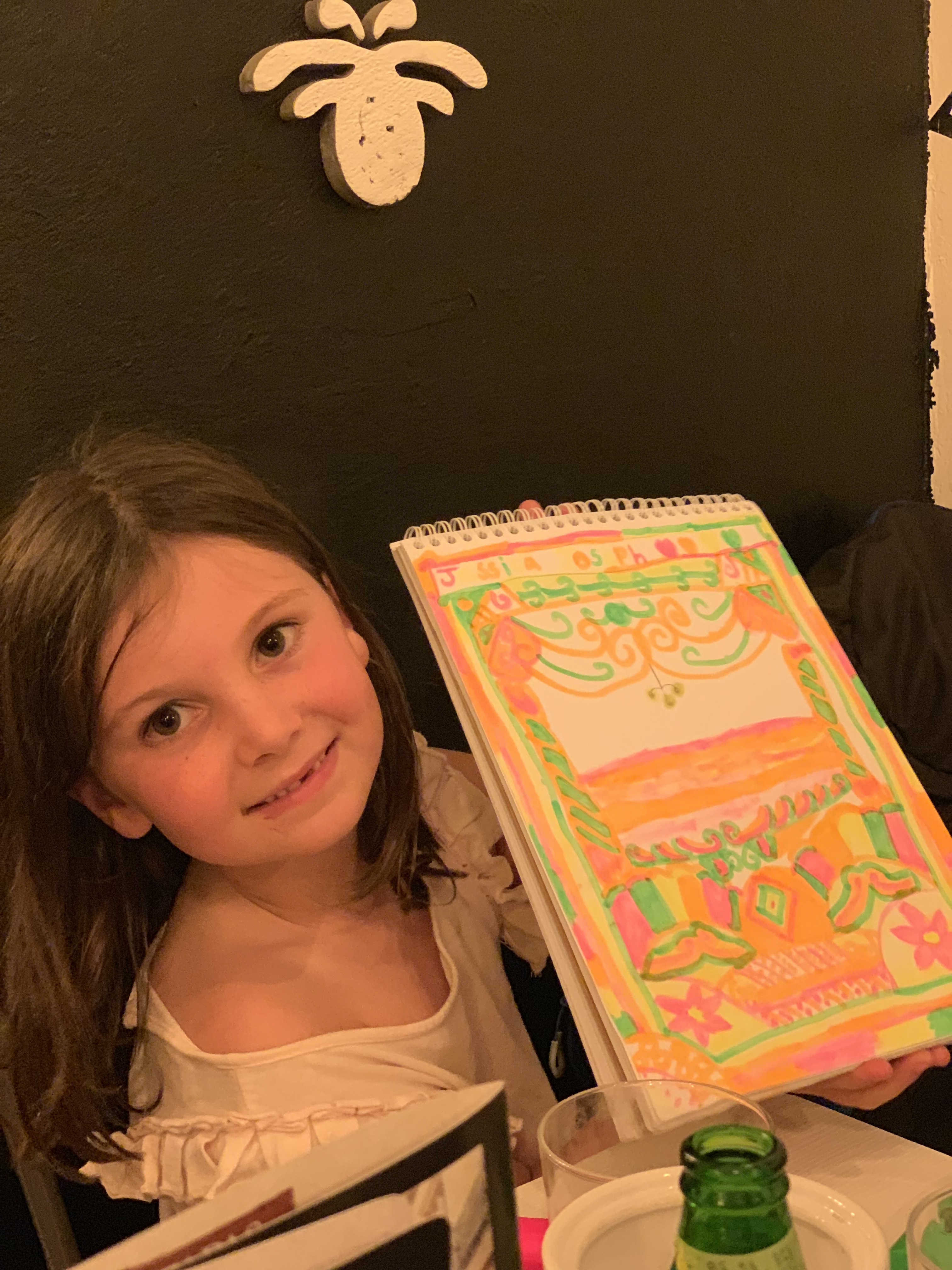
We settled on one just up the road and took full advantage of the ‘buy a drink, get a free tapas’ tradition that is common in this area of the world. Now when you have a hungry family of 5 including 3 non drinkers, this is both a blessing and a curse. The tapas is amazing, and we had no problems working our way up and down the menu (particularly the jamon iberico and the cherica de atun) until everyone was full. It would, of course, have been rude not to respect their local traditions and not have a drink with every tapas ordered, so we ended up making our way through a fairly significant number of beers and glasses of very tasty rioja as well. Meanwhile, the girls played cards and Sienna worked diligently on Peacock #181 and #182.
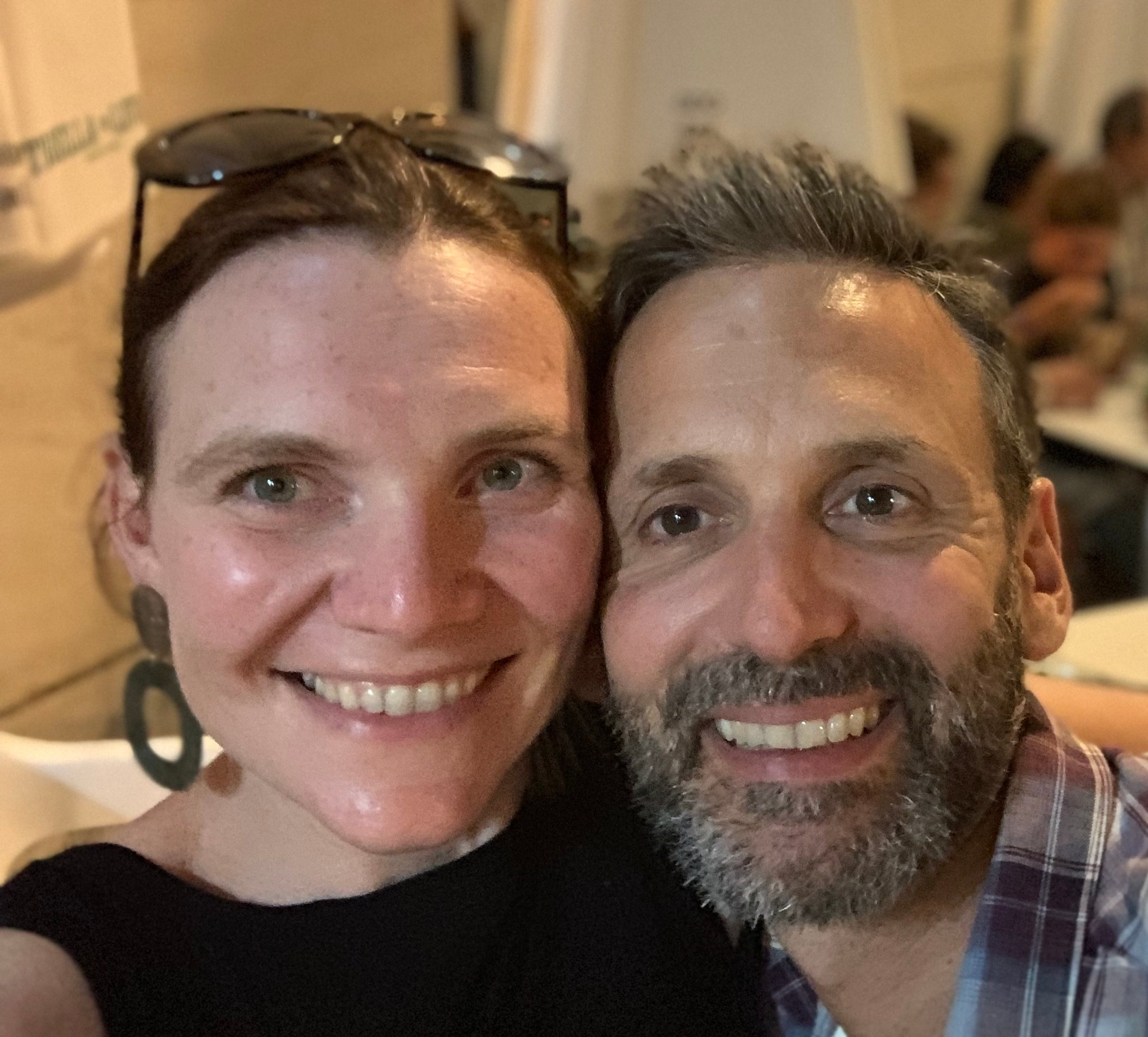
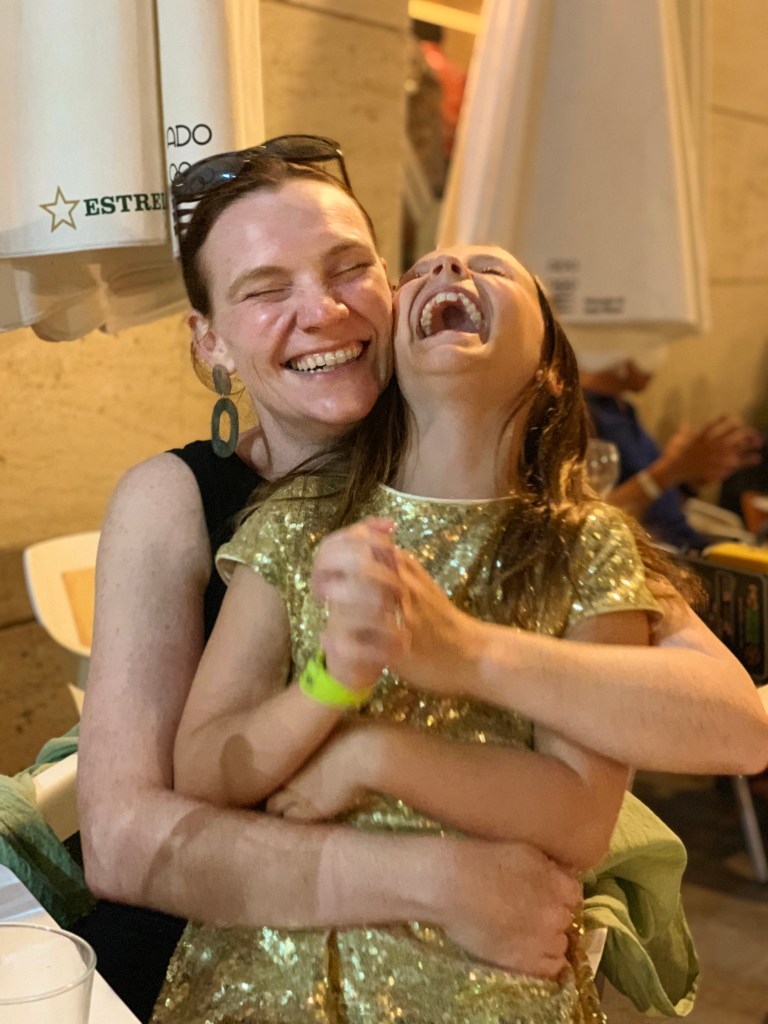
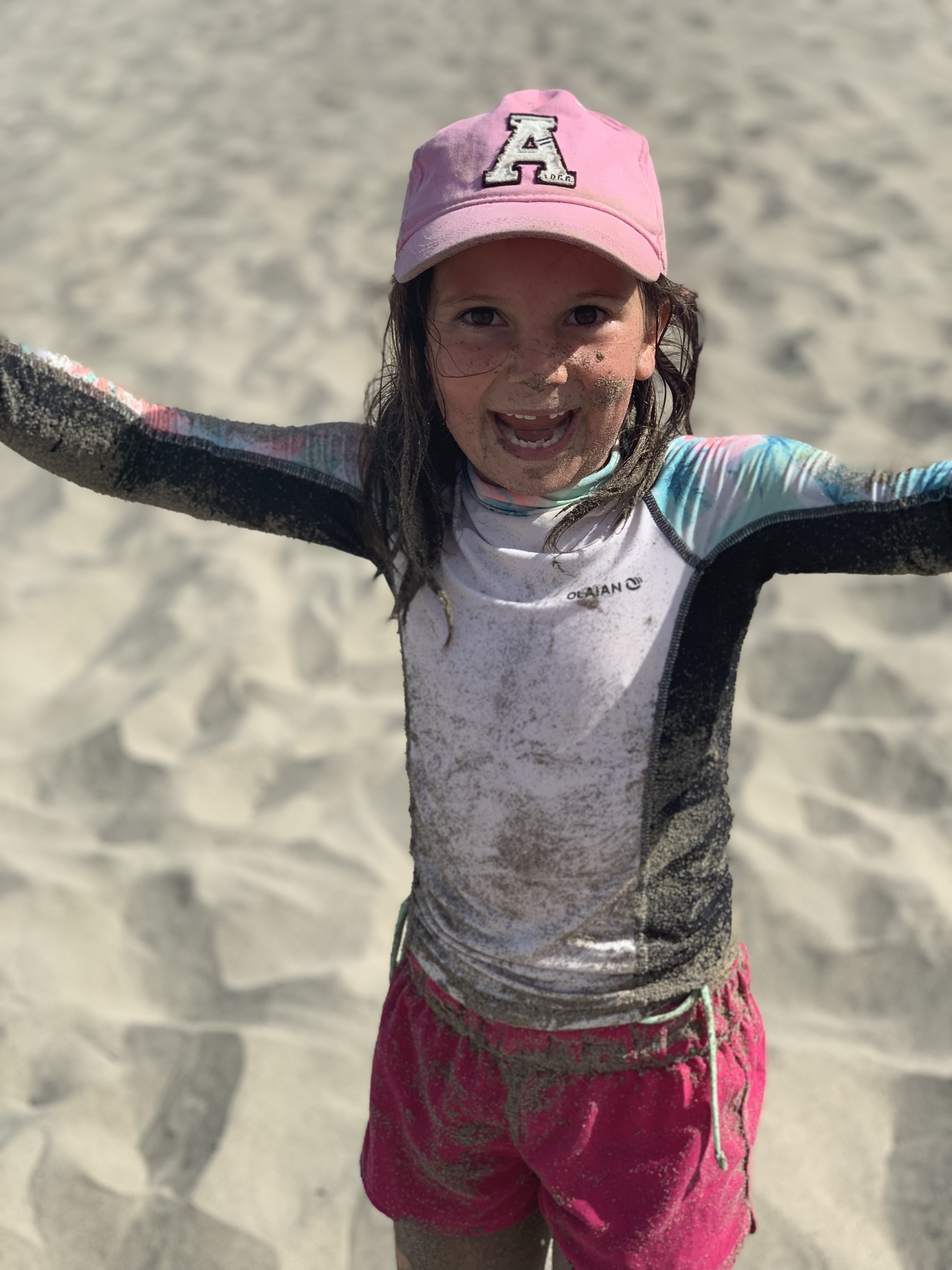
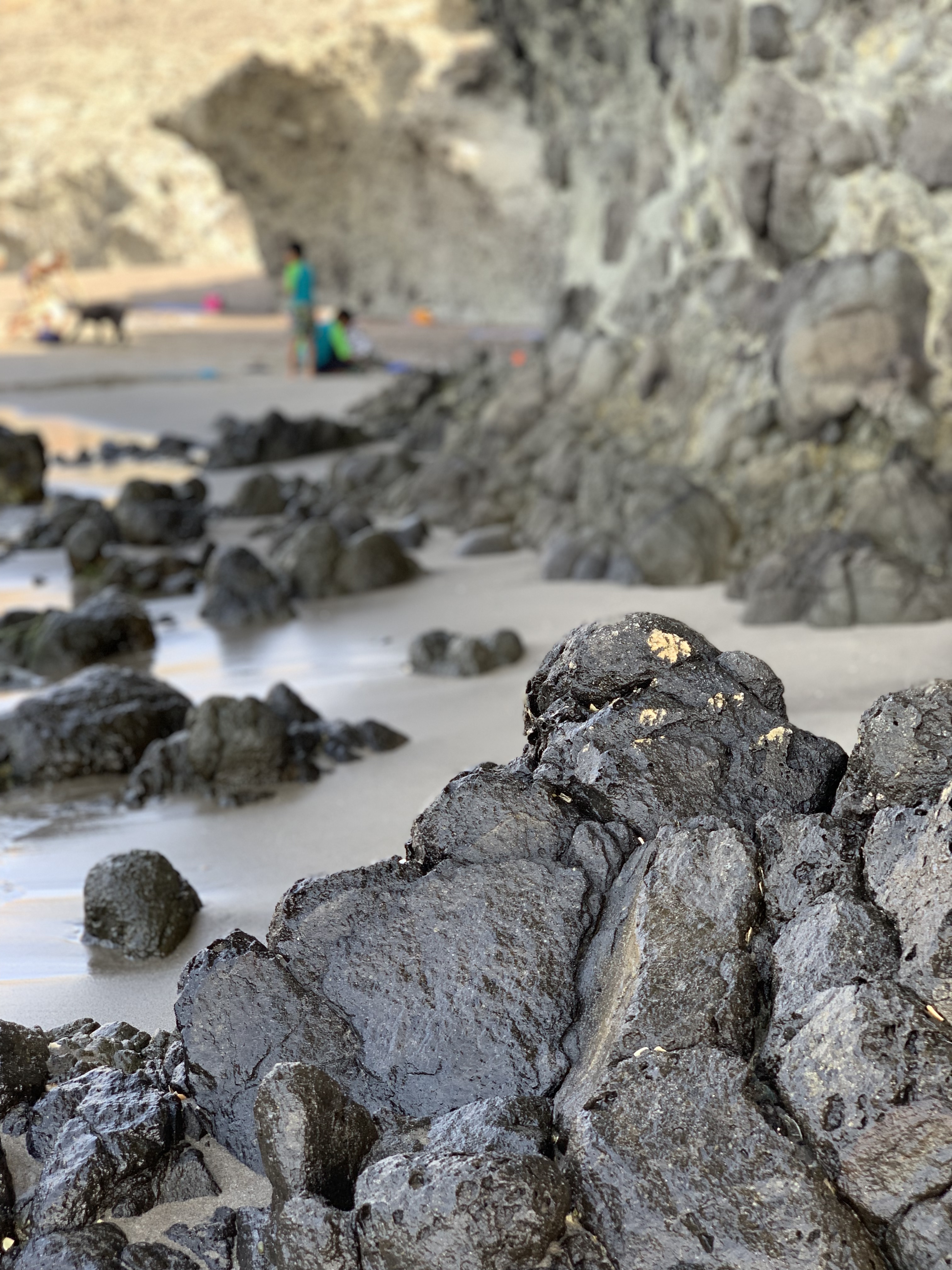
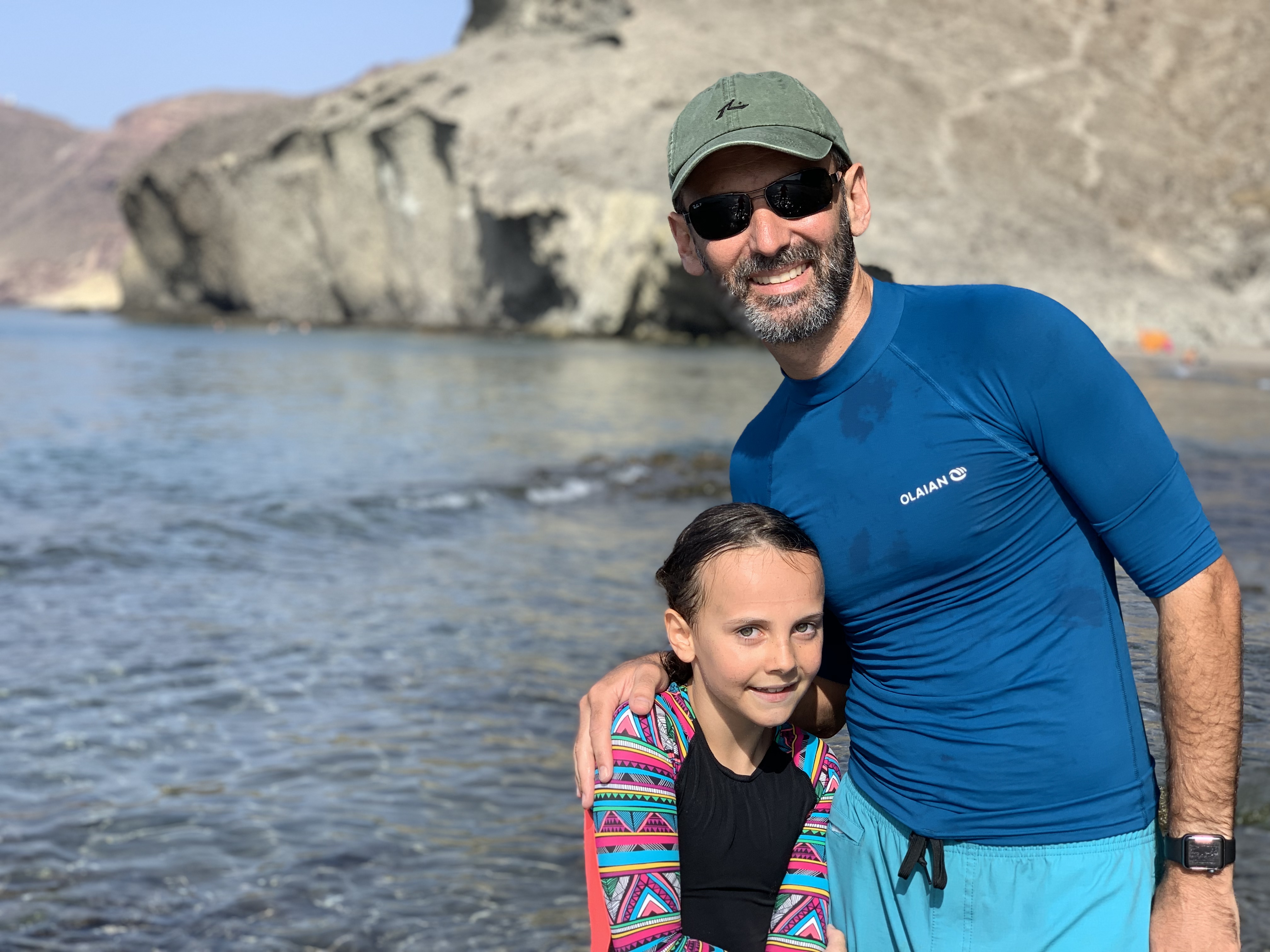
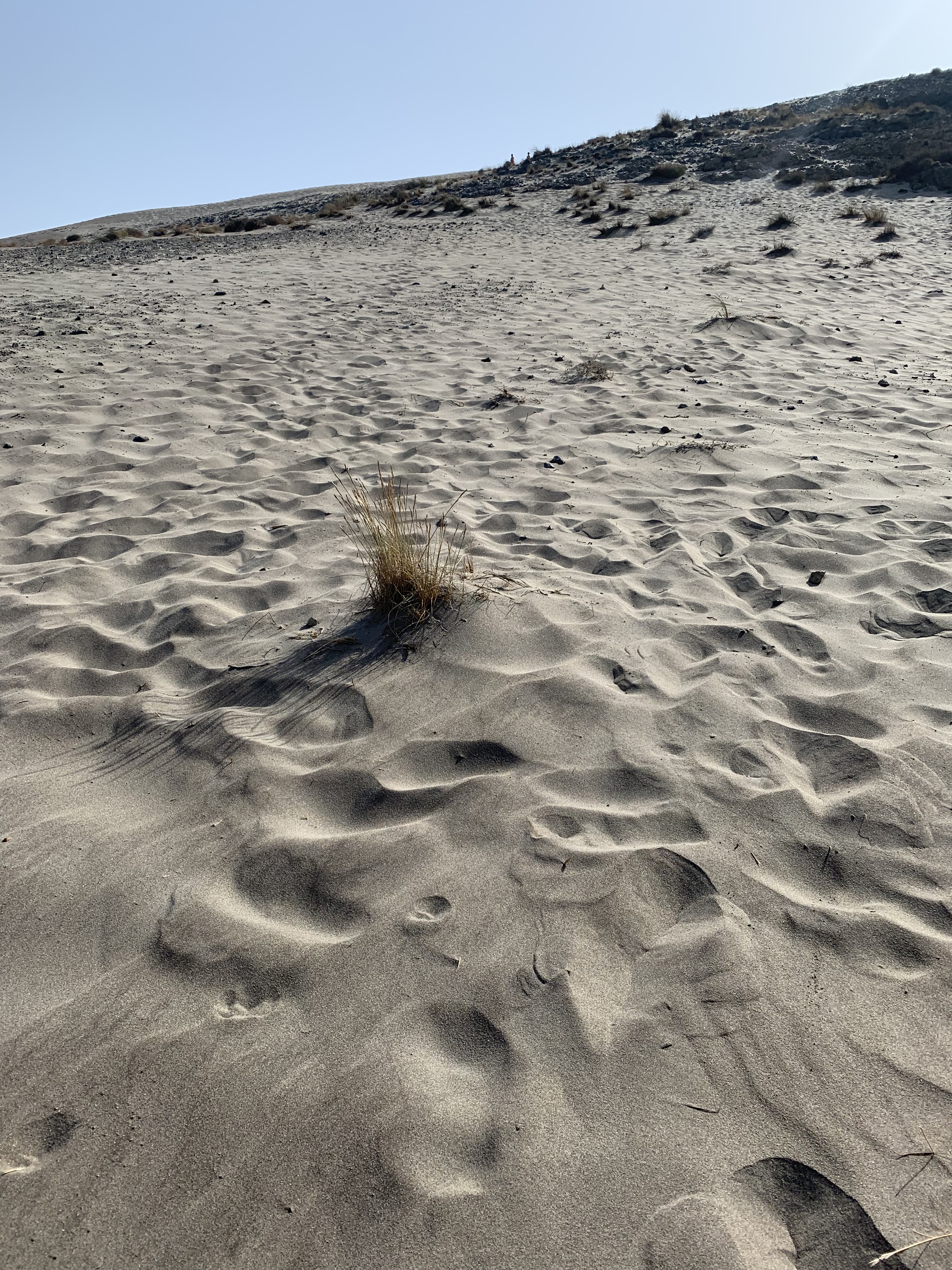
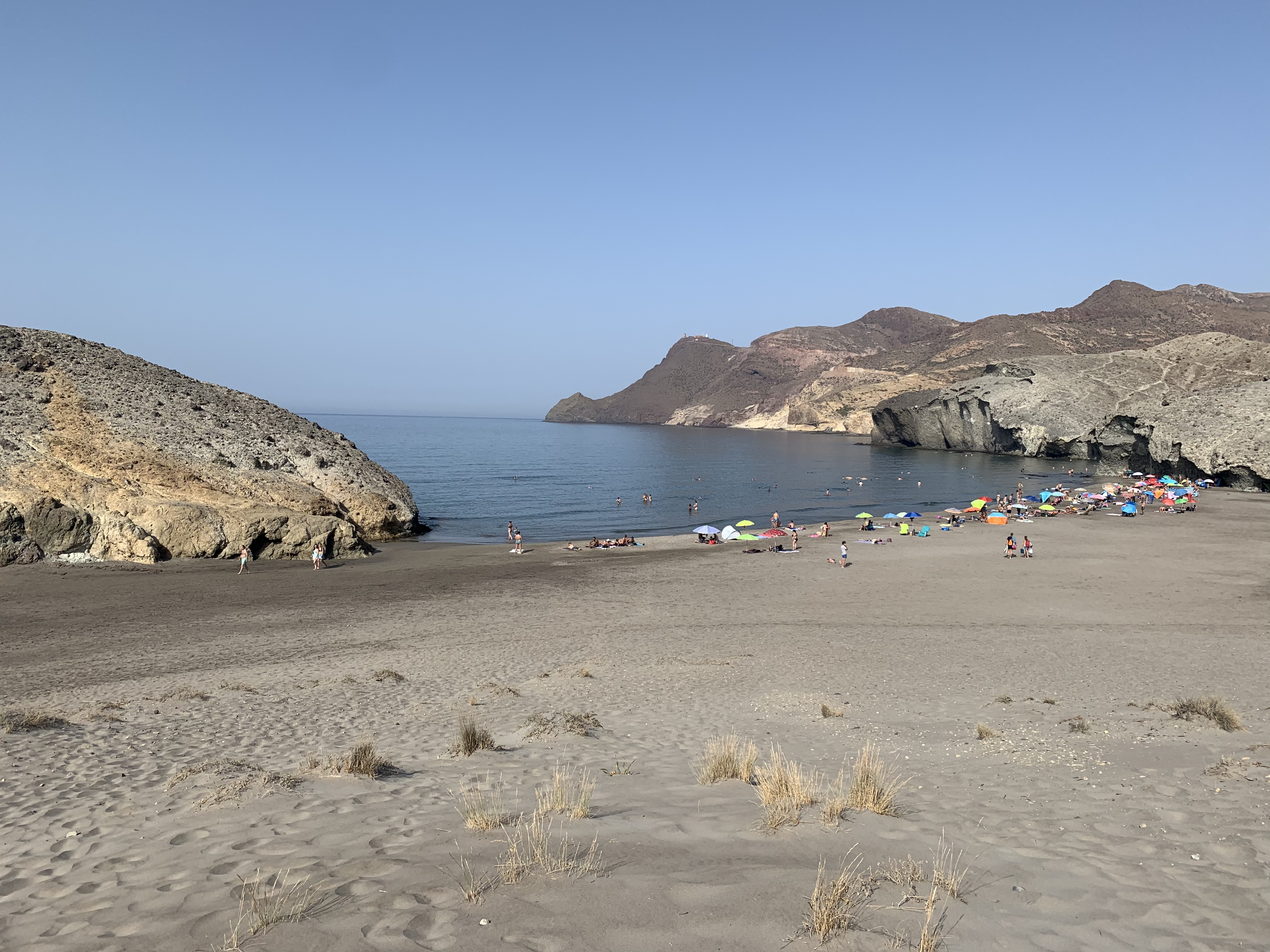
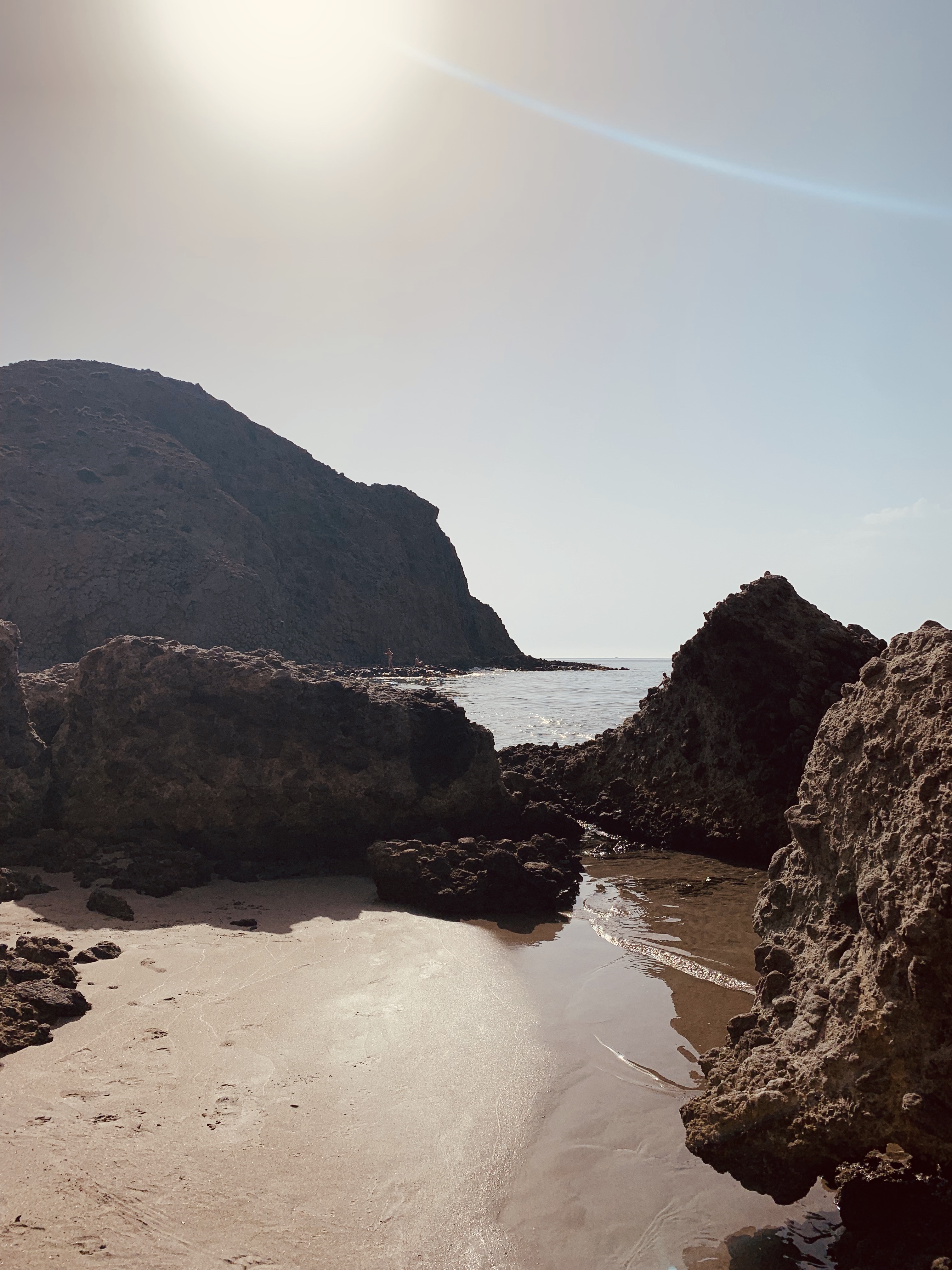
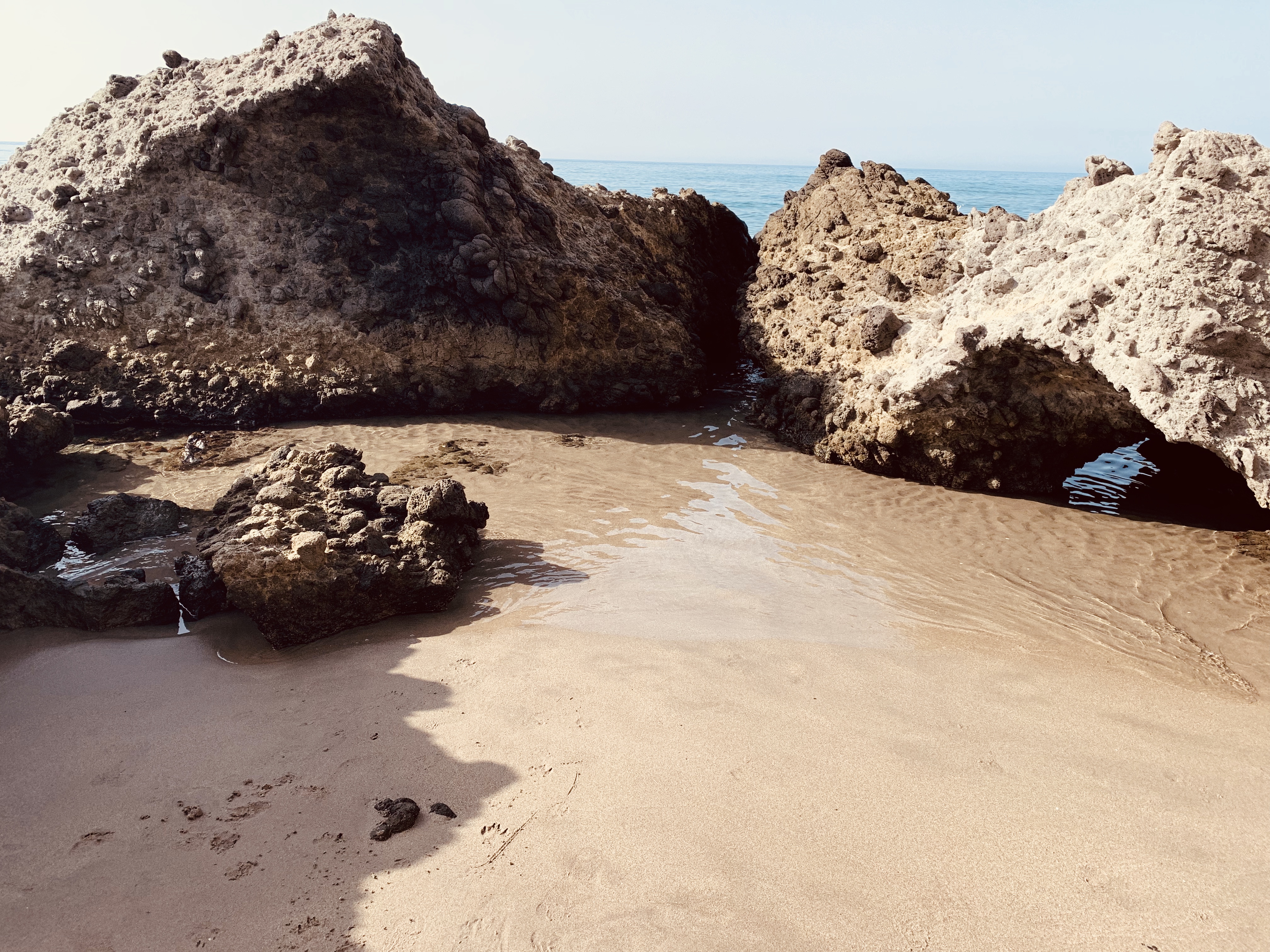
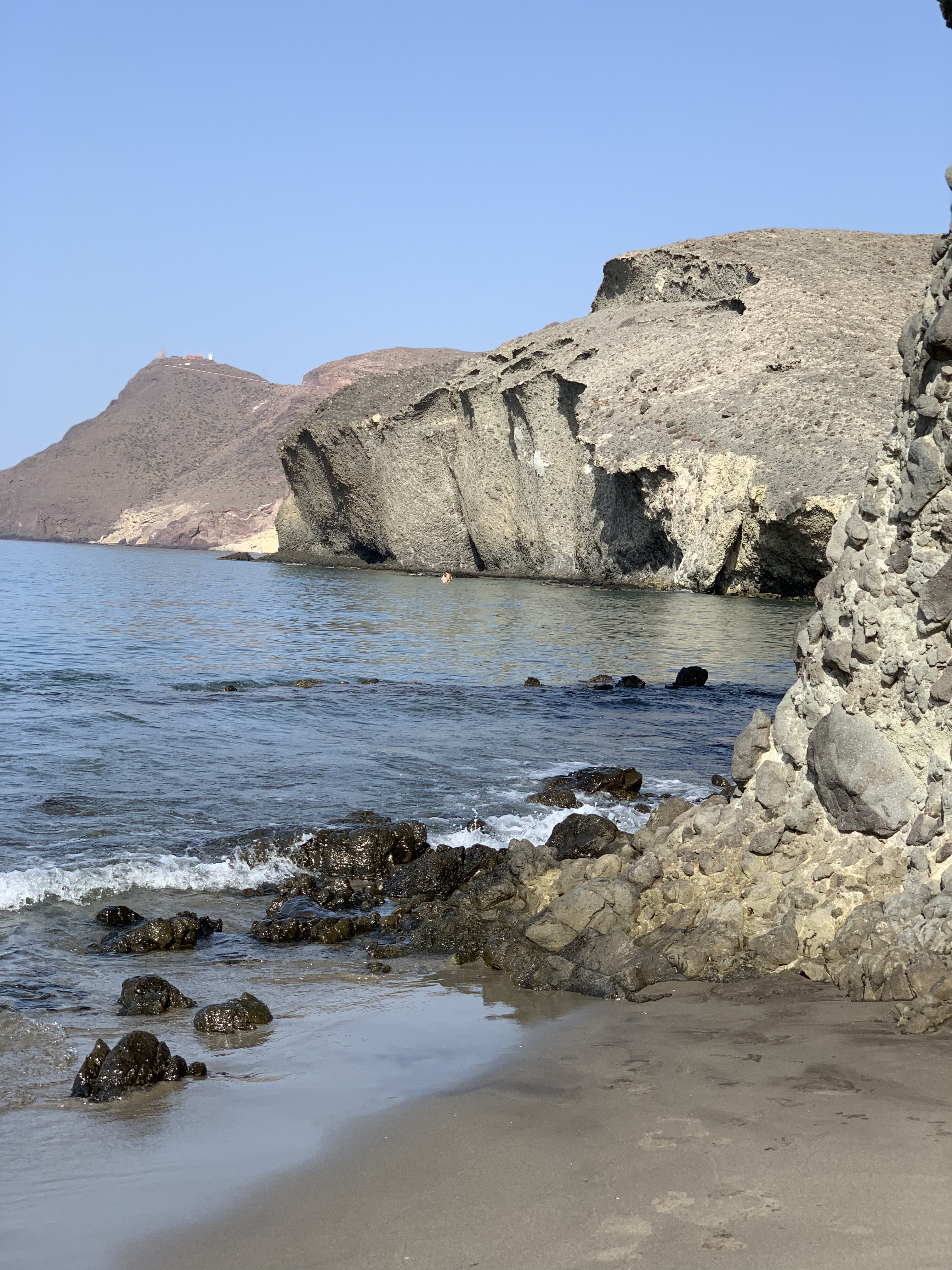
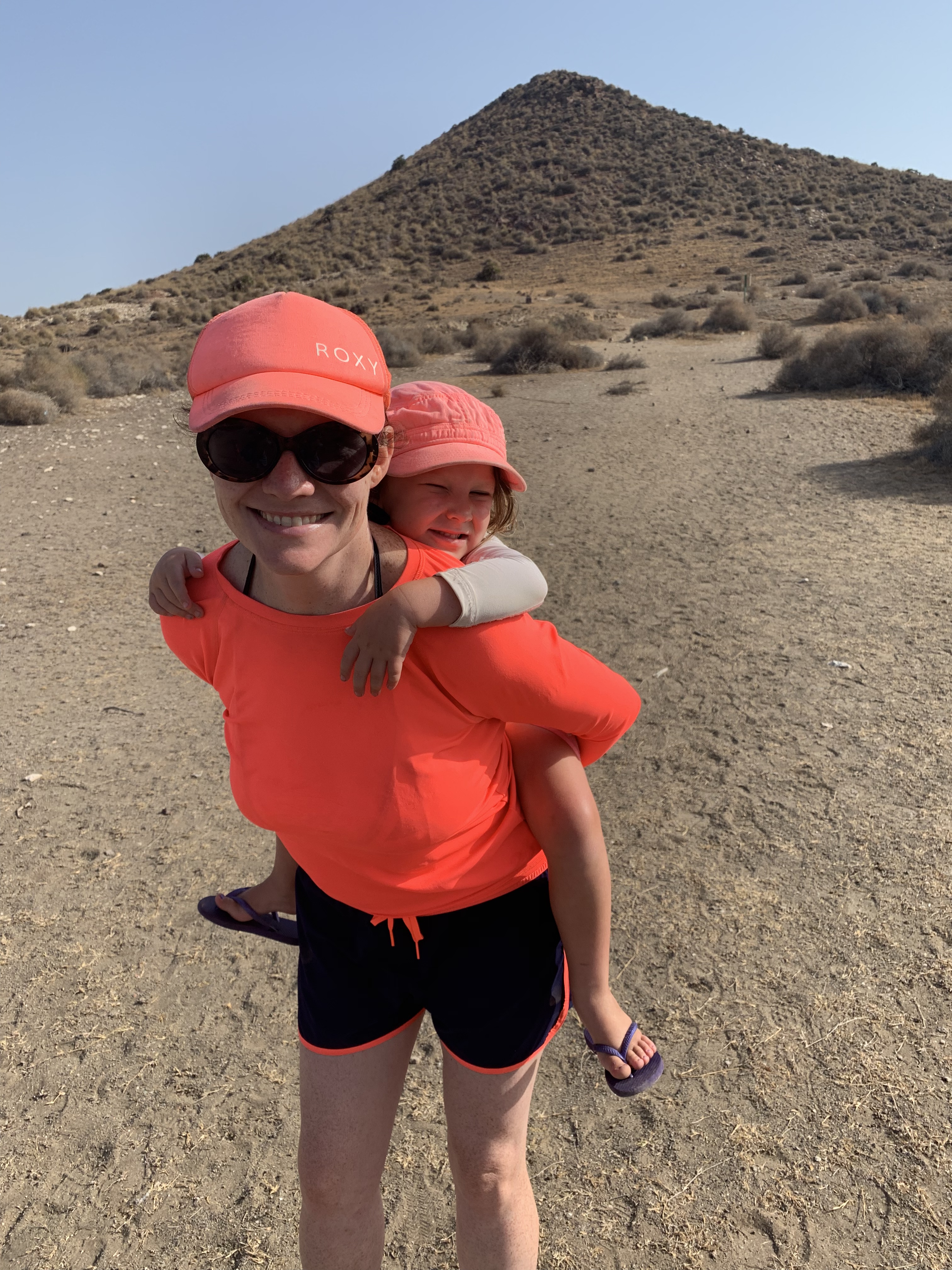
The following day we made our way to the beautiful Cabo de Gata-Nijar natural park where we spent the morning snorkeling in crystal clear waters, rolling down sand dunes and trying to transform Ellie into a sand-mermaid.
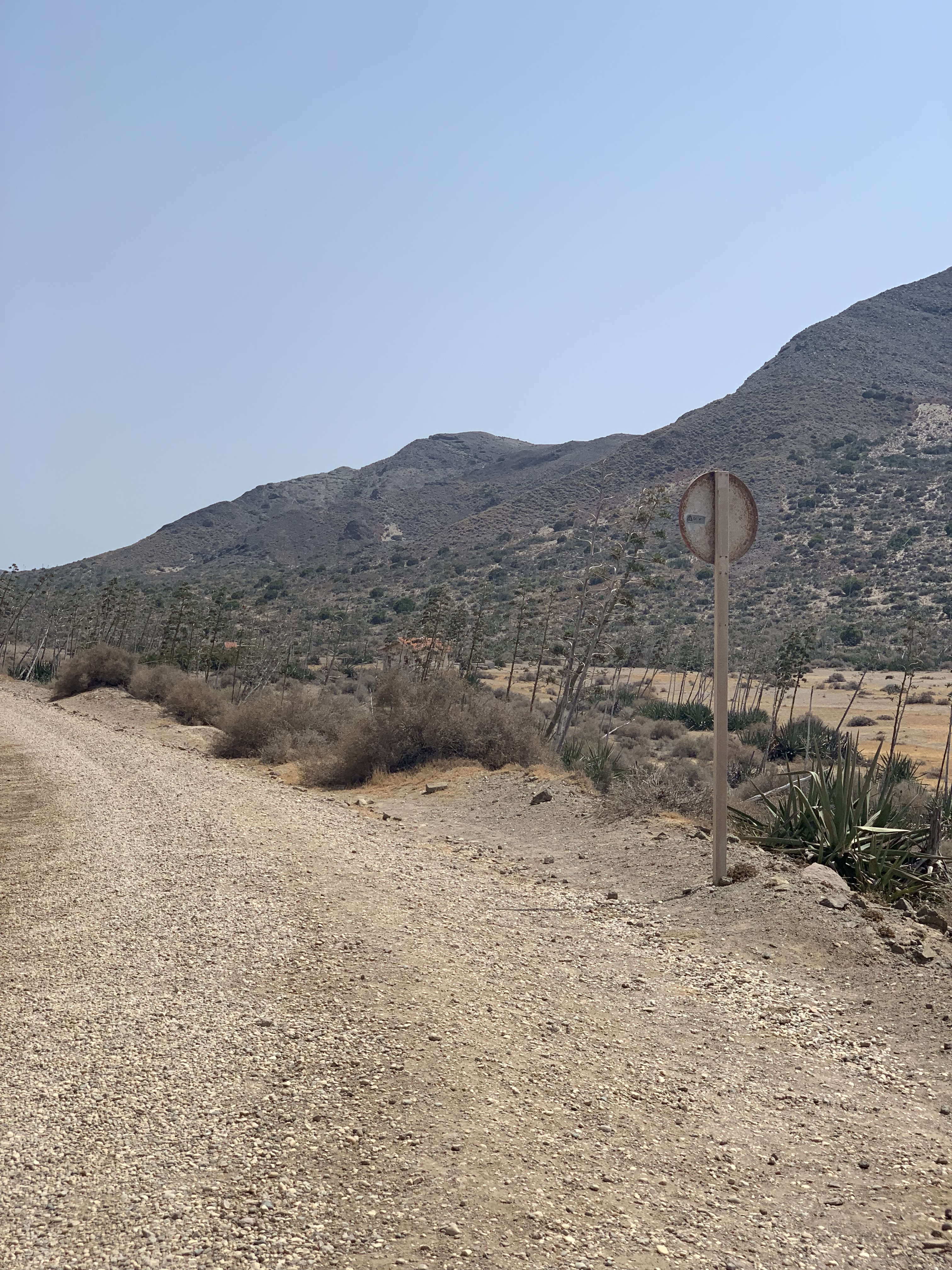
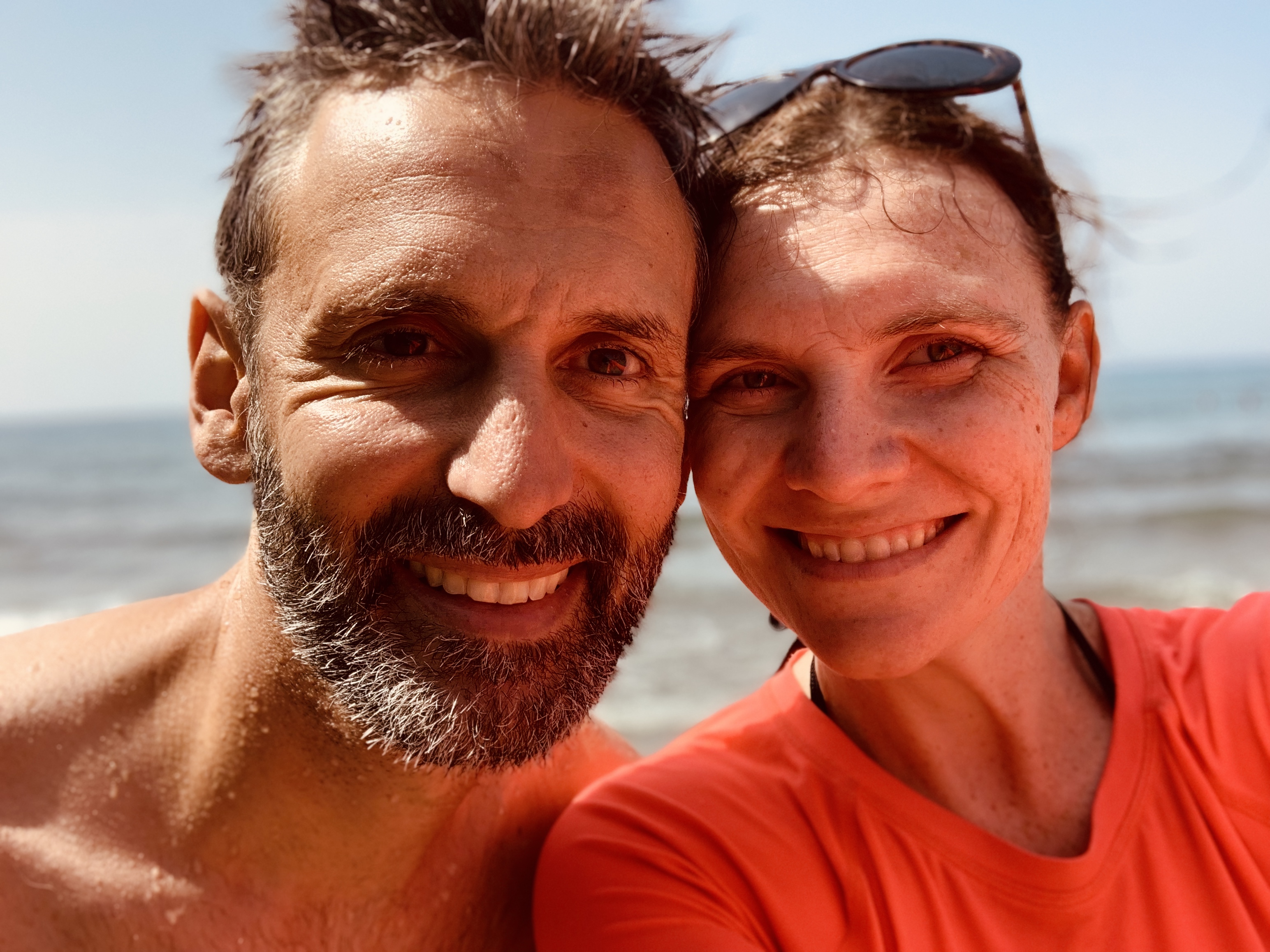
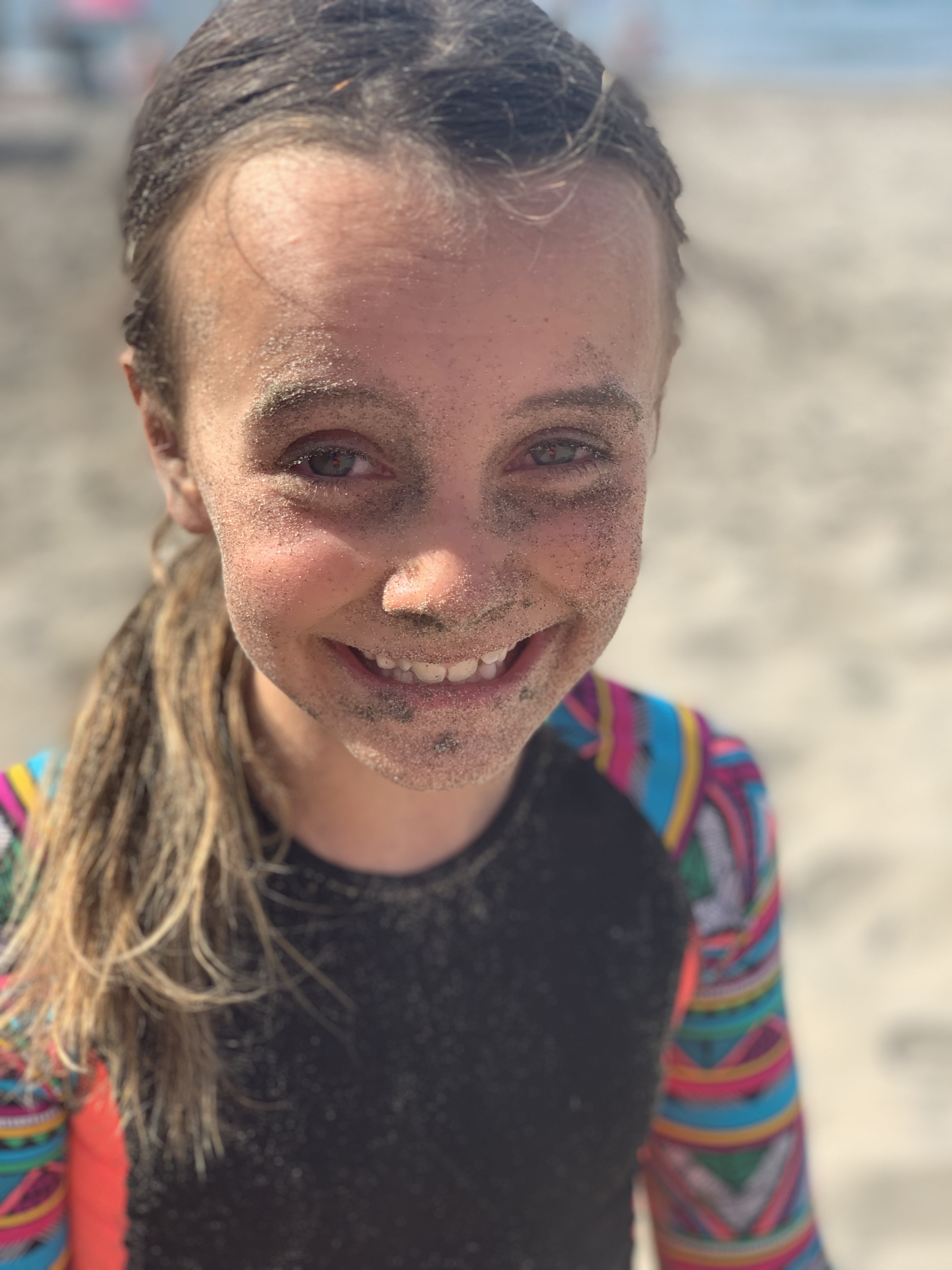
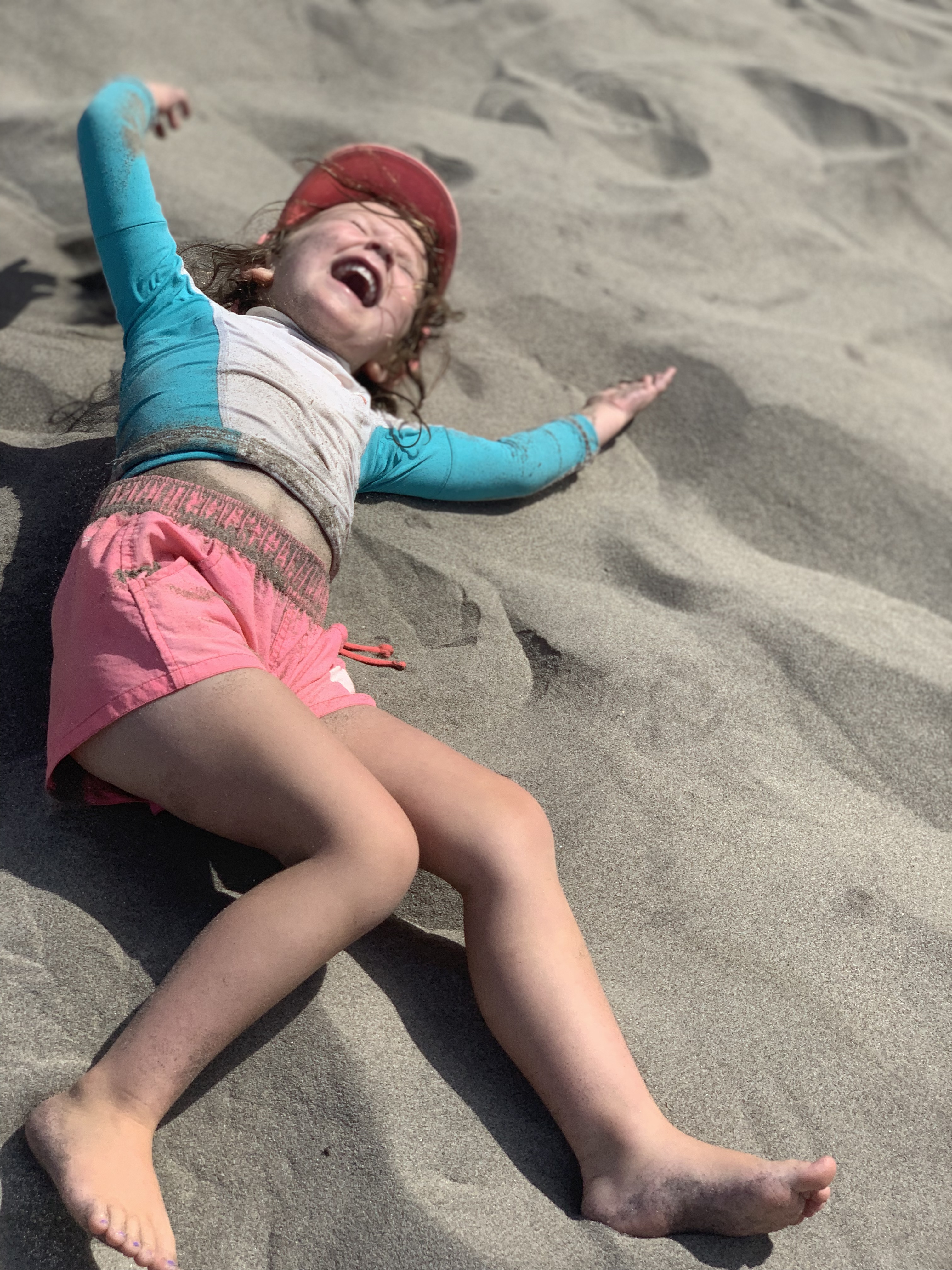
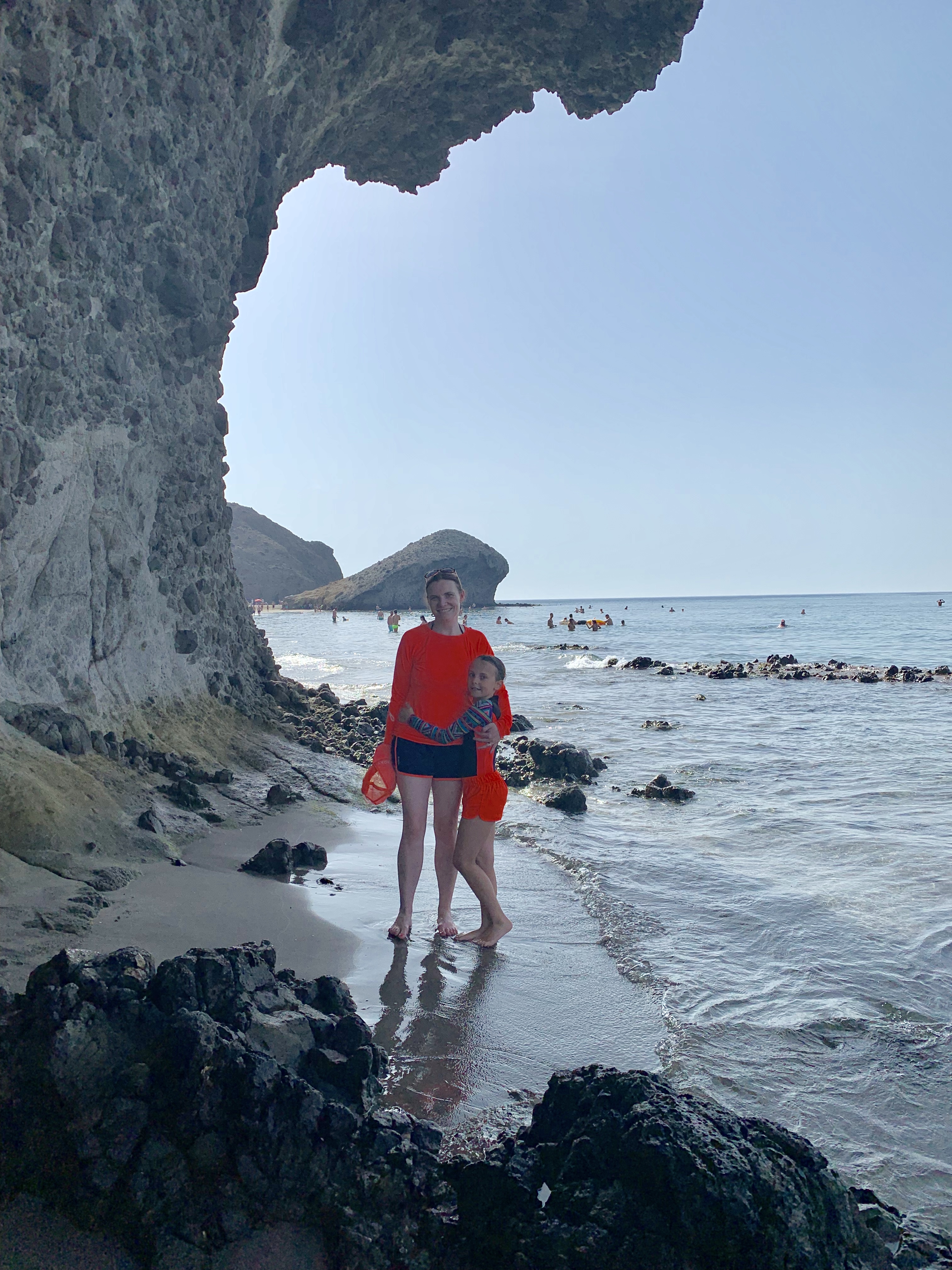
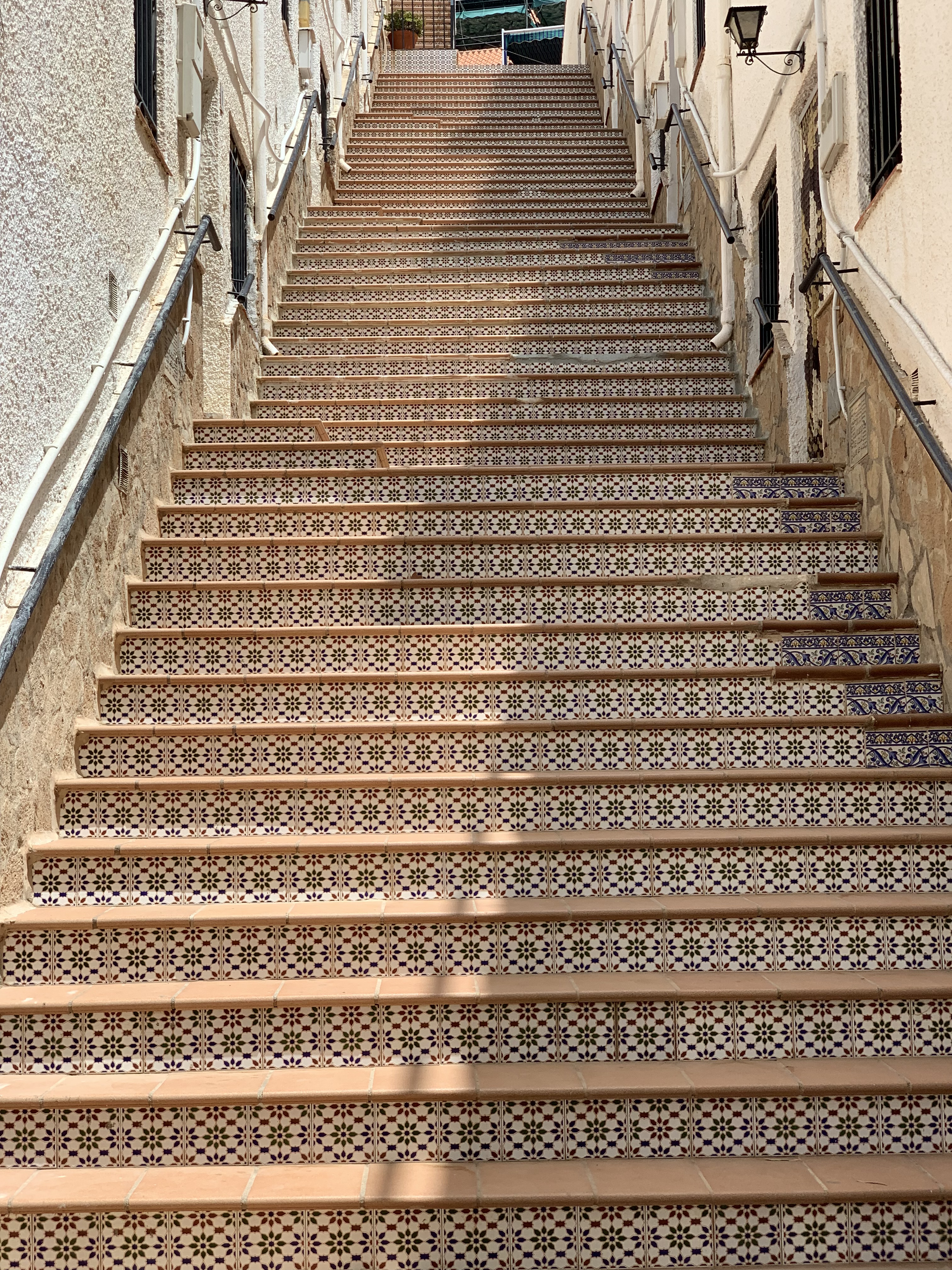
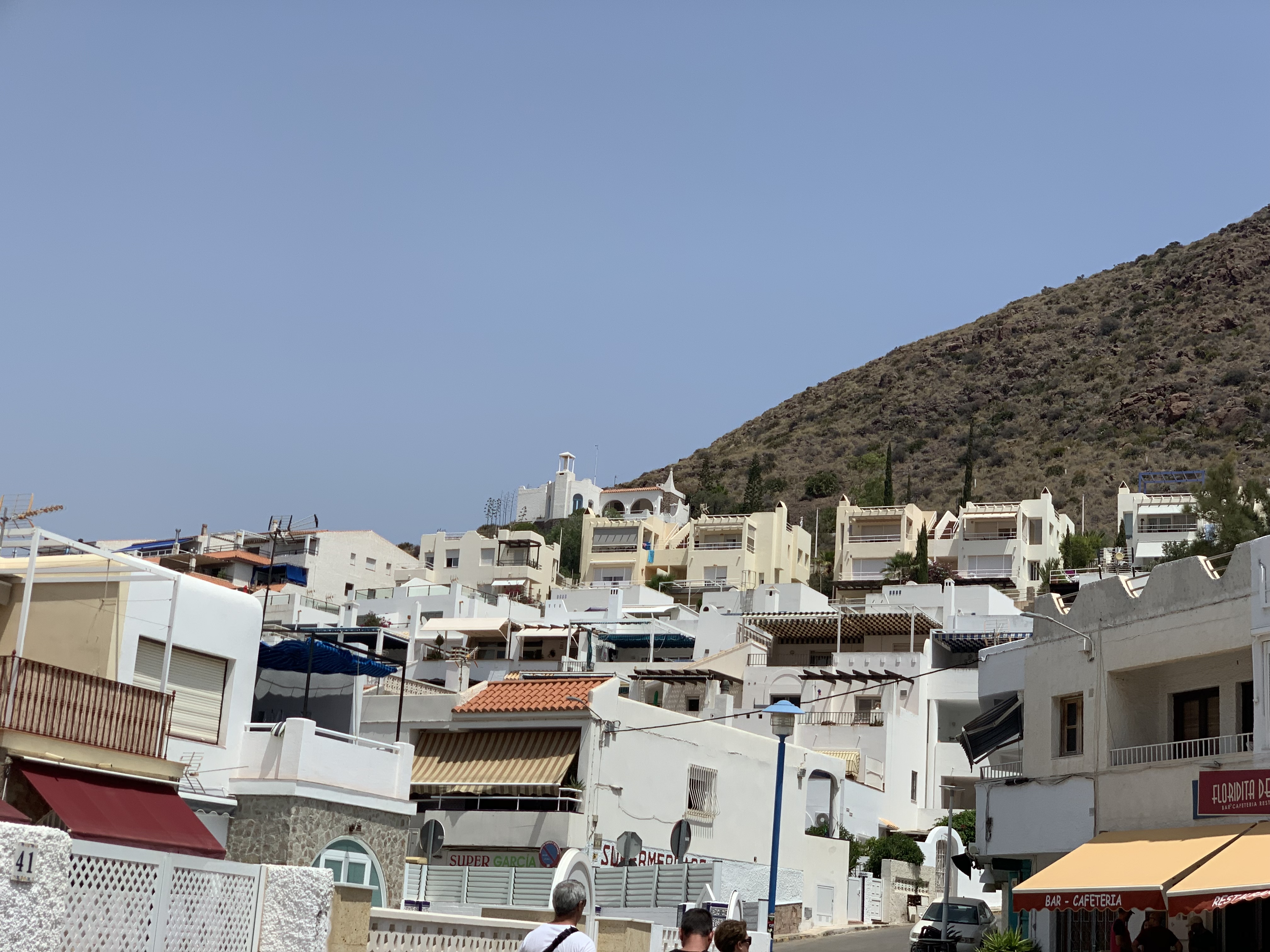
On the way home we visited the stunning town of San Jose, reminiscent of San Torini in Greece with its whitewashed houses clinging onto the cliffs overlooking the emerald blue sea. Ellie and Jessie immediately started to re-design our house (mental note, we will need to convert Sporties into a Mediterranean like watercourse. We’re sure the owners won’t mind).
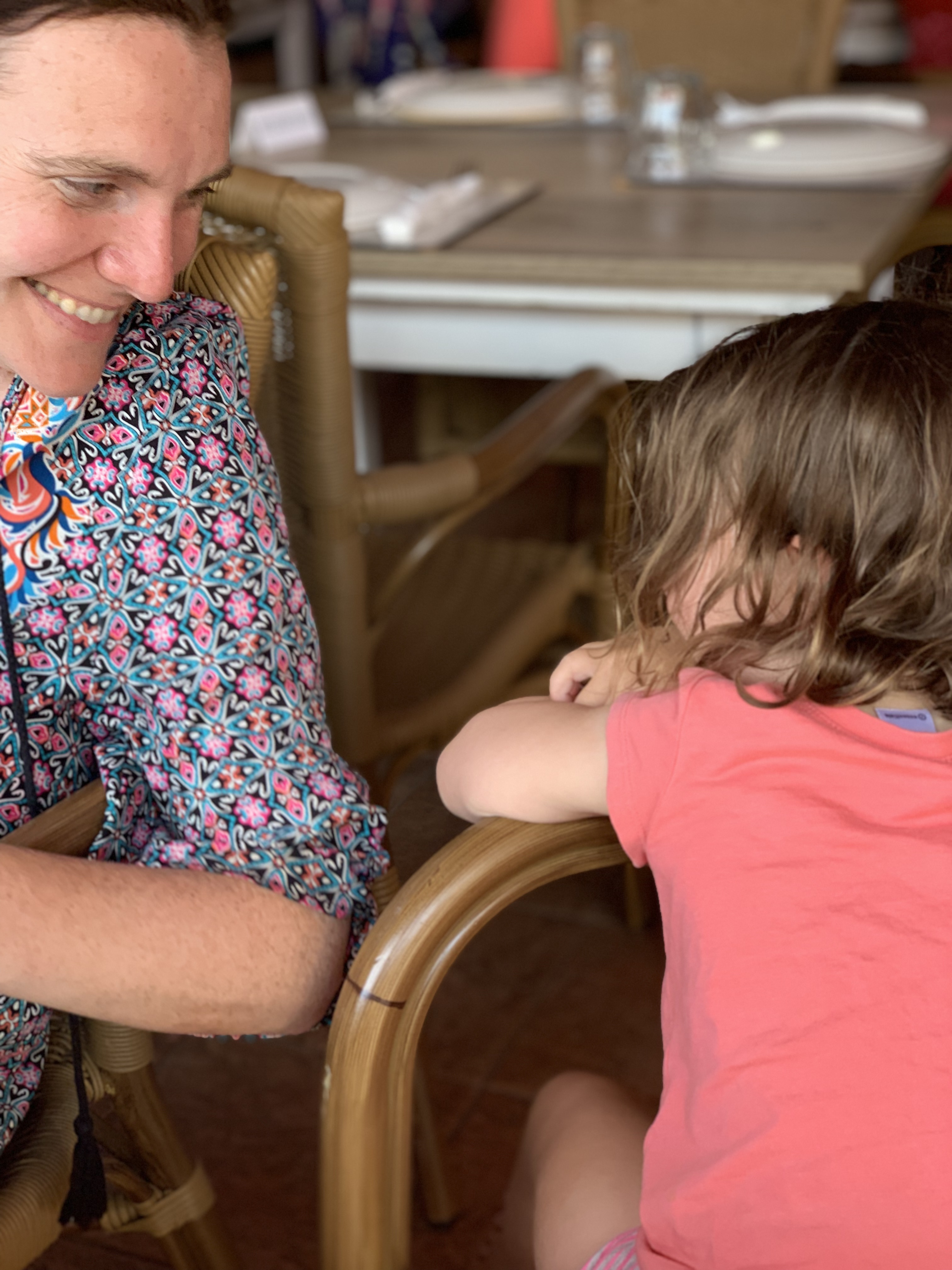
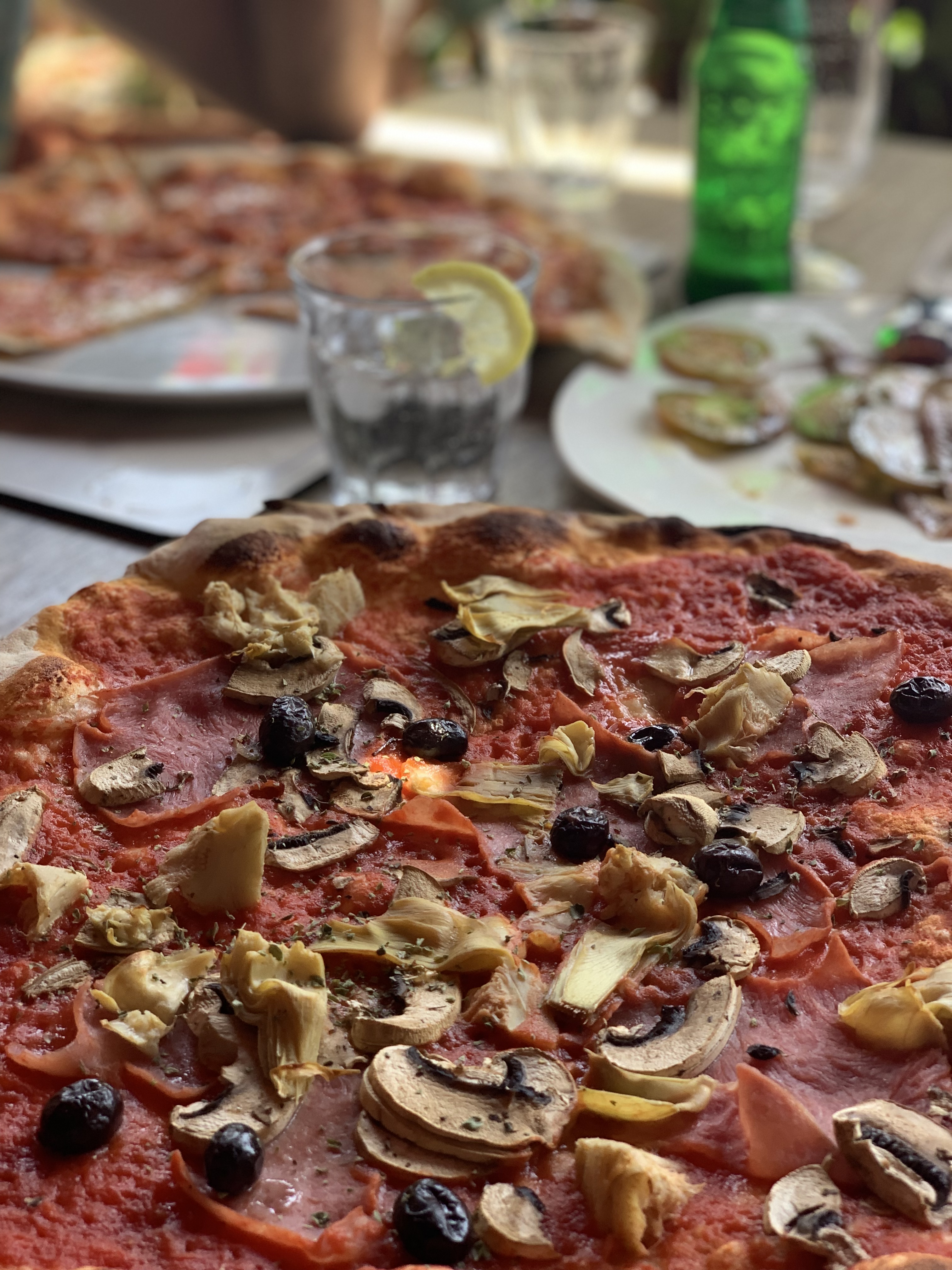
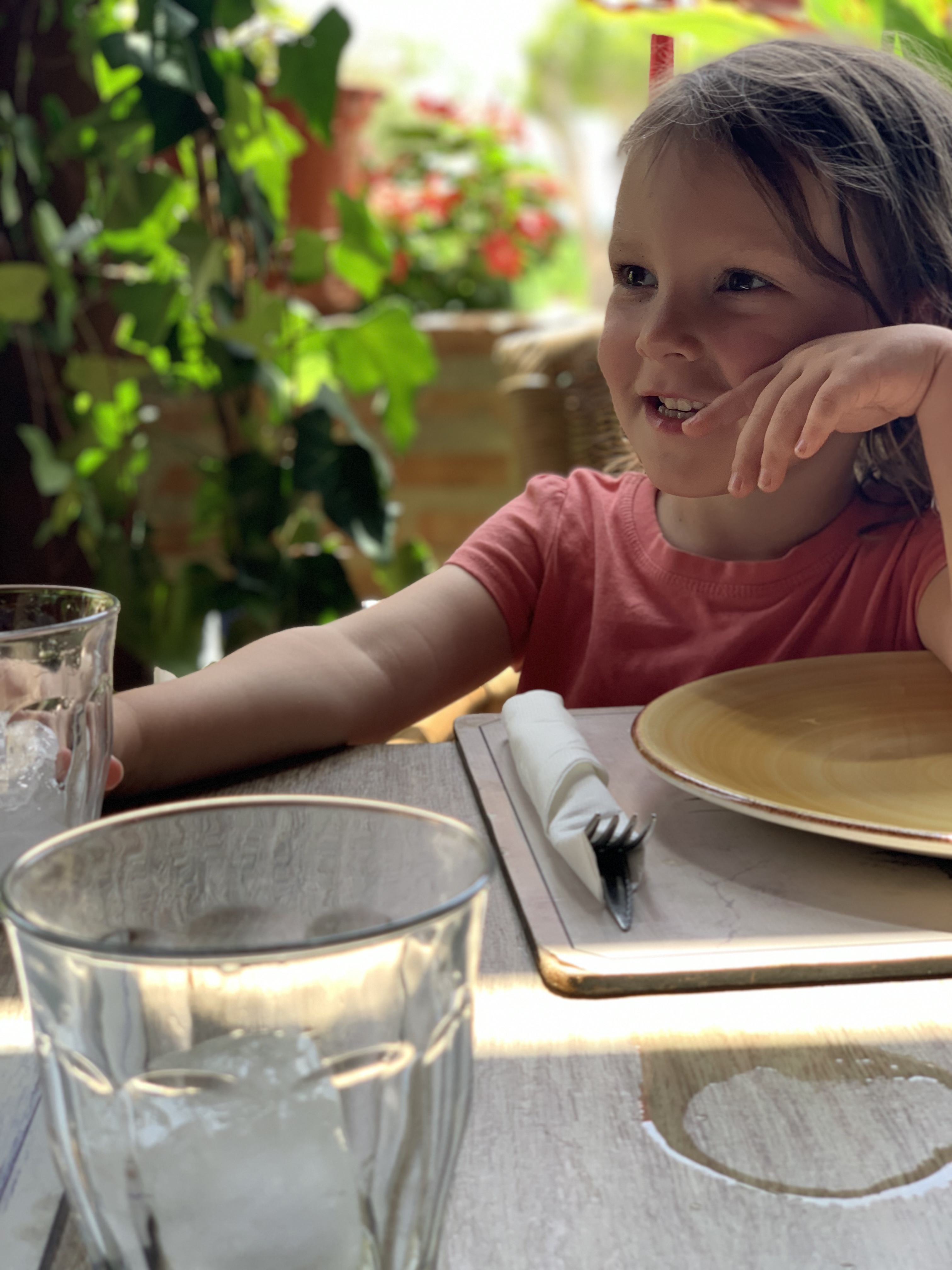
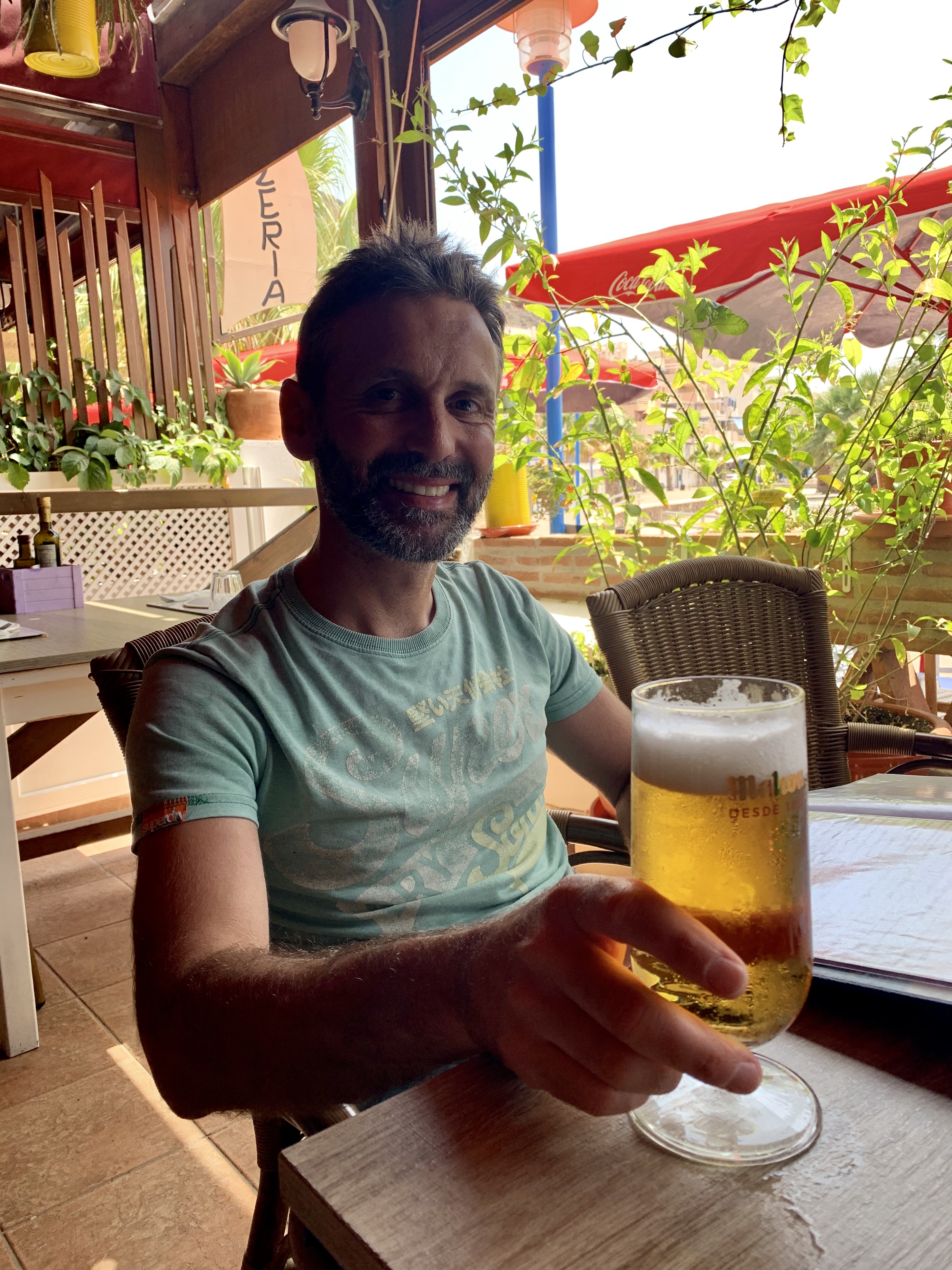
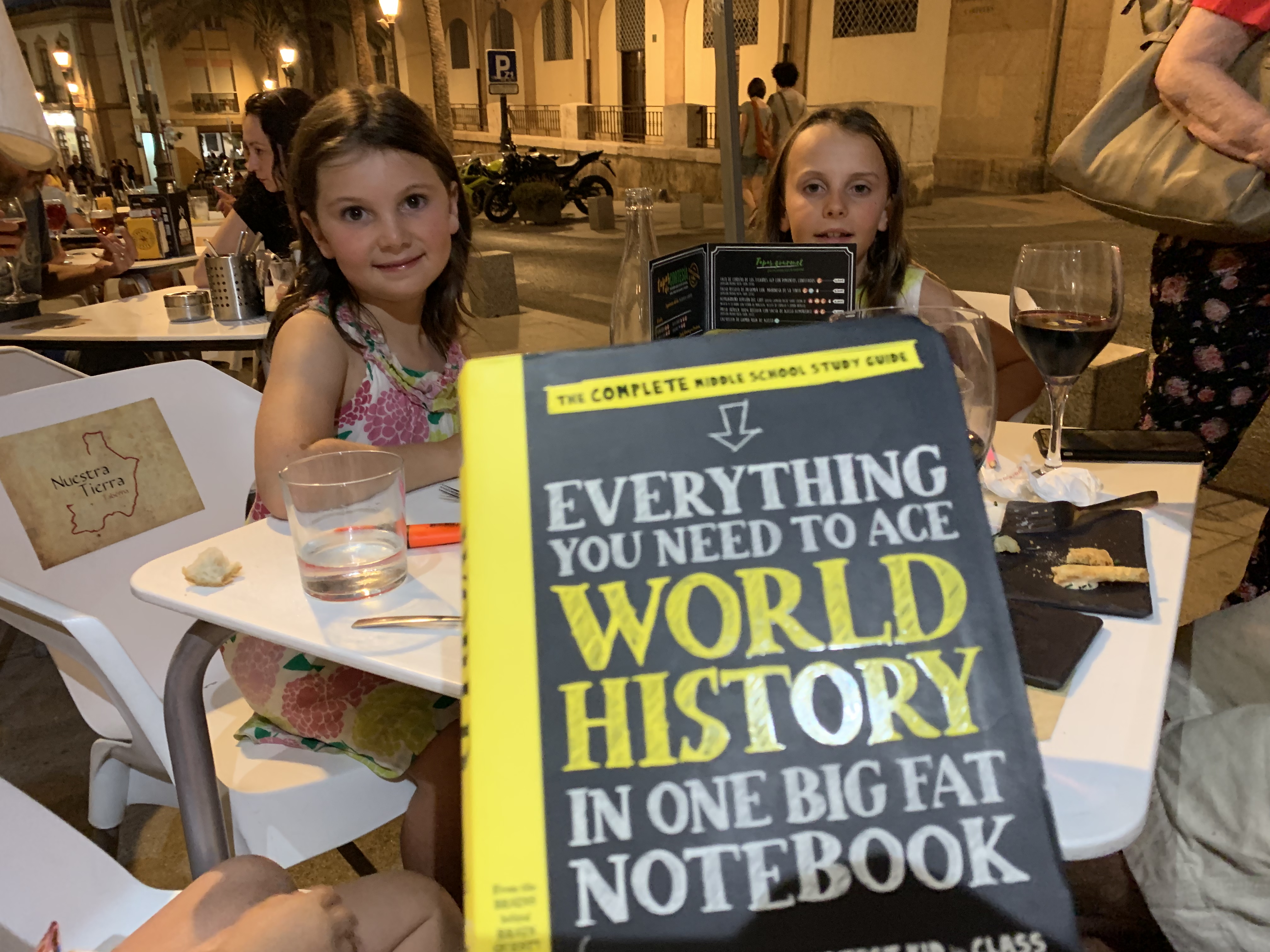
More siestas, more drinks (only to ensure our children could eat, you understand), more history lessons (courtesy of the Big Fat Notebook) and more peacock masterpieces ensued. We were getting into a good rhythm here, although to be fair we weren’t exactly smashing the tourist sights… and time was beginning to move a bit too quickly!
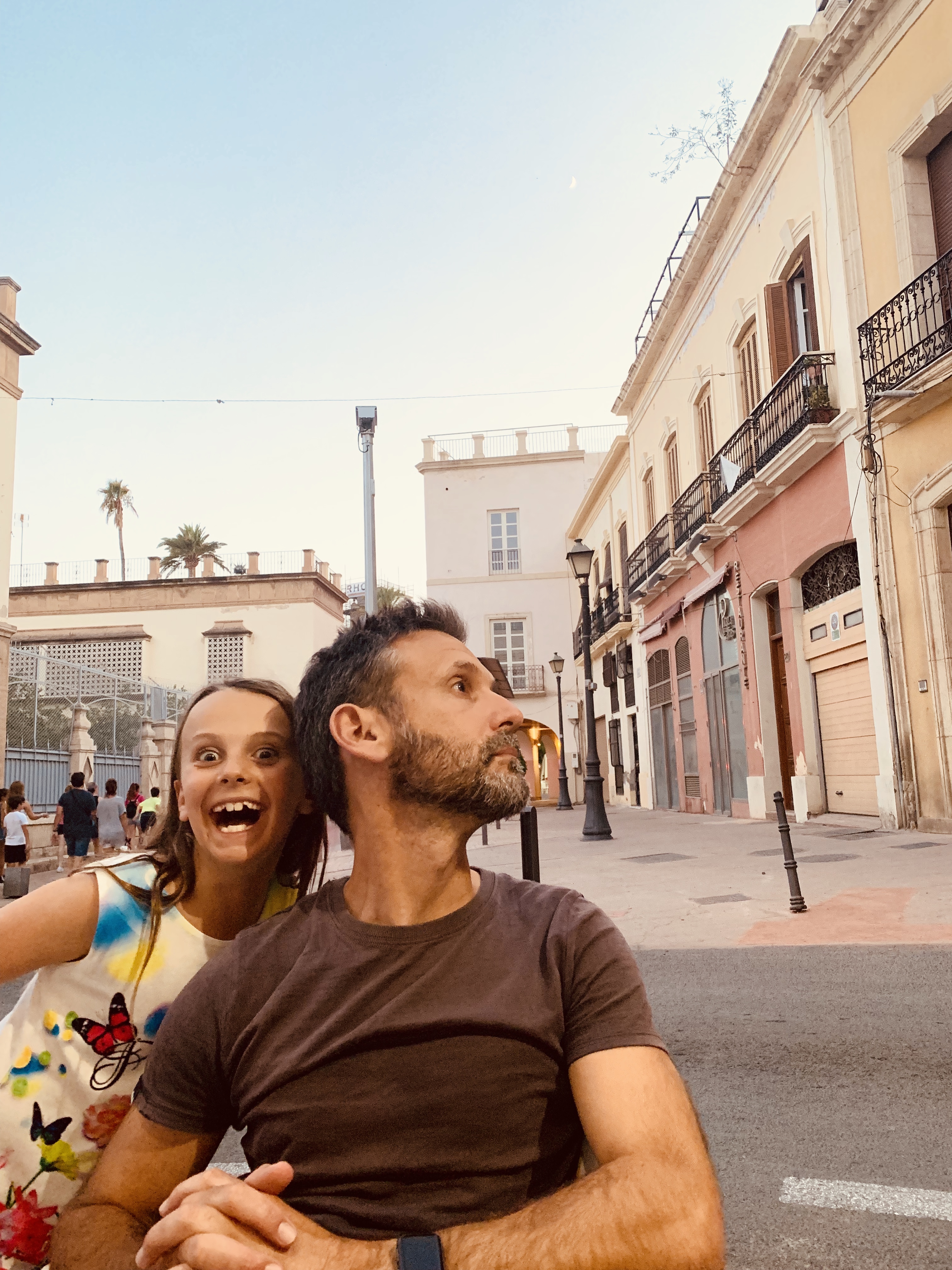
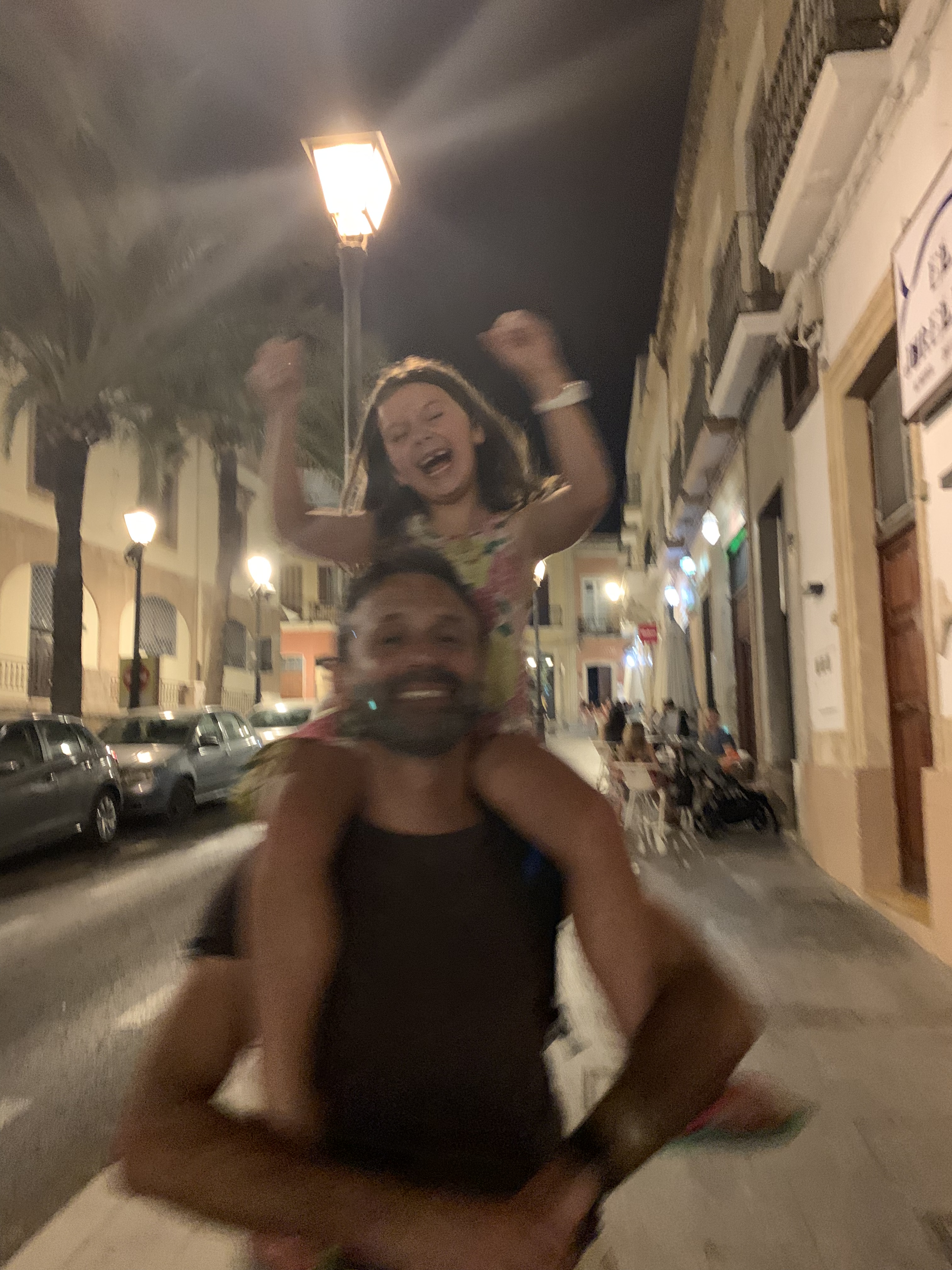
Fresh off the success of the previous day, we stuck to a similar formula the following day. This time we headed to a pretty local beach at nearby Aguadulce for more swimming, snorkelling and beach games (importantly introducing highly competitive beach tennis into the mix) and benefiting heavily from the on-sand playground that was also on offer.
Now, much as we were loving the downtime, we felt we needed to step up the sight-seeing just a little (albeit from an obviously very low base). Apart from morning exploration-runs, we were largely unaware of what existed outside our own little bubble. In a bid to rectify this, the early evening’s entertainment was to be a visit to the 11th century Alcazaba, followed by a visit to the Cathedral first thing the following morning.
Jessie was up for the cathedral, but less certain about the fortress. A deal was struck (2 castles over 2 days for an ice cream) and off we went.
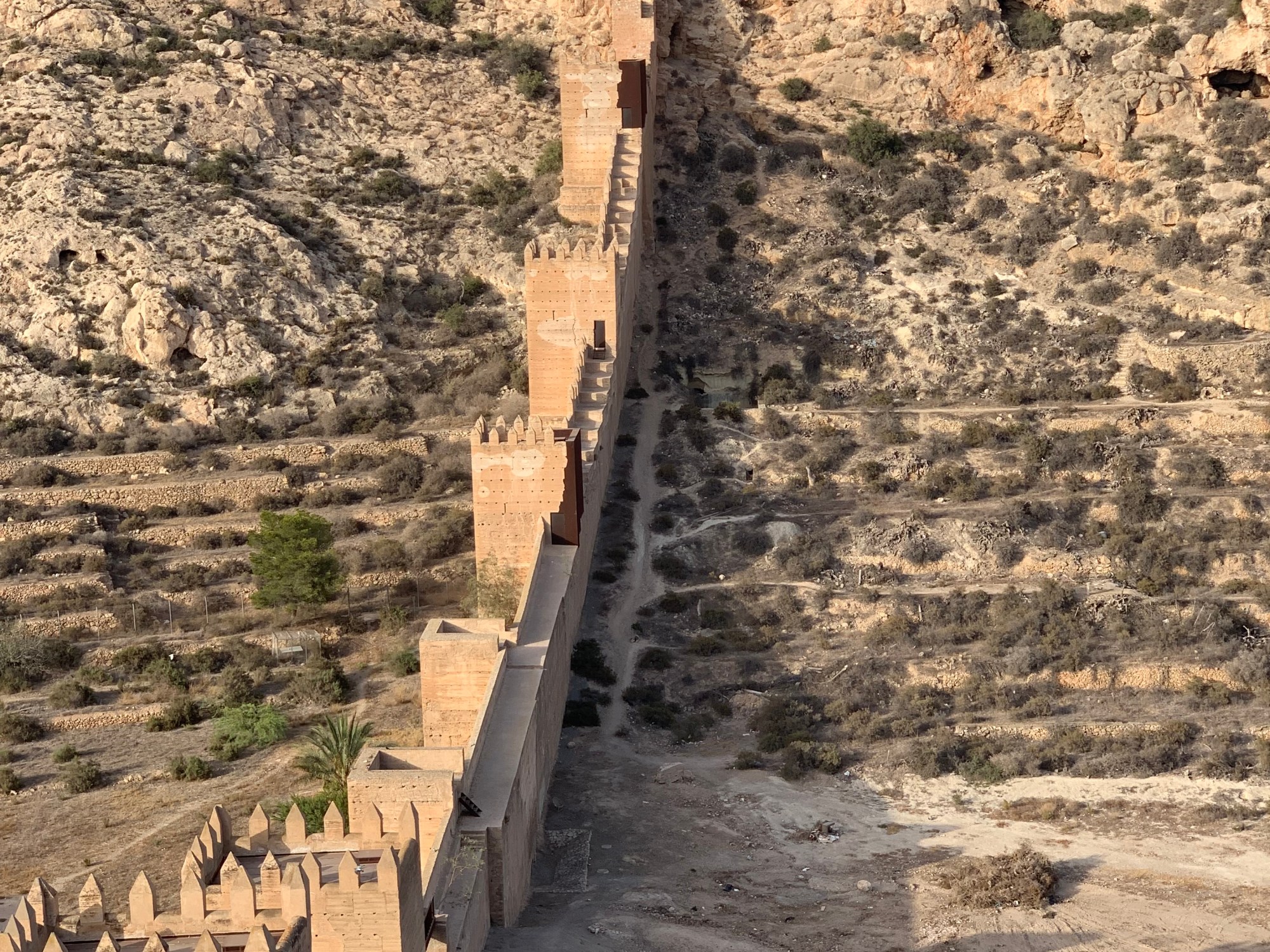
The Alcazaba was built over about 200 years from 900 AD when the city was a caliphate, and was held by the Moors until the Spanish regained the area in the late 15th century. Whilst its role in history is clearly relevant, its most important claim to fame was as the basis for the capital of Dorne in the Games of Thrones.
As we walked up the steep slope to the fort, we were interested to see trees poking out the top of the castle walls. Having not seen a Moorish fort before, this was unusual for us. As we entered the complex, we were amazed at the beauty of both the gardens (based on the original ones) and the water features throughout. It was beautiful, cool and highly functional – and with amazing views over the city and the sea beyond.
We free wheeled with more stories – not just of attacking ships, charging horses, arrows and burning pitch, but also of schools, play areas, relaxation and government business. The kids were engaged in the view, the history, our (somewhat factual) stories and, most importantly, the goldfish in the waterways. We were on to a winner here.
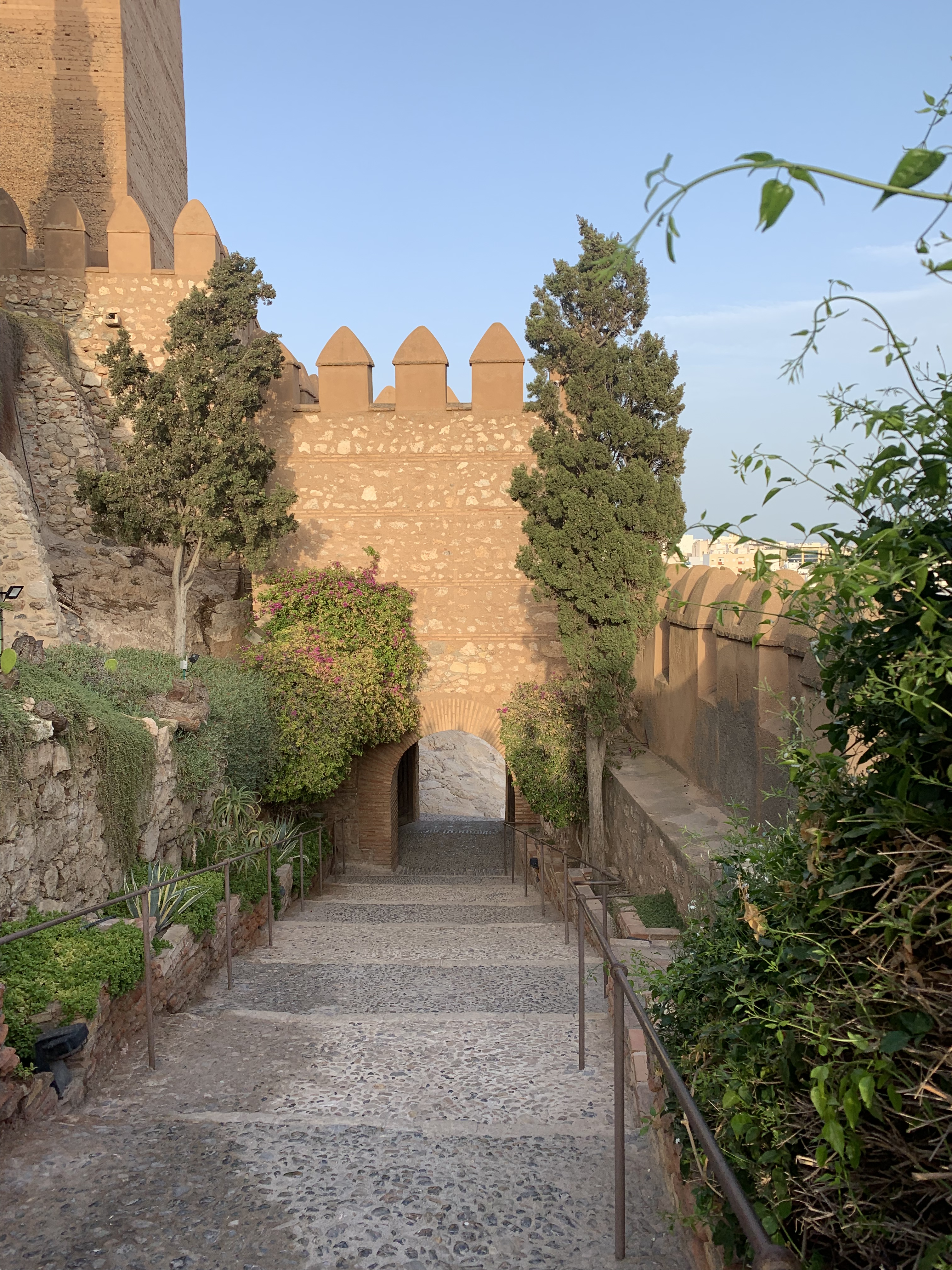
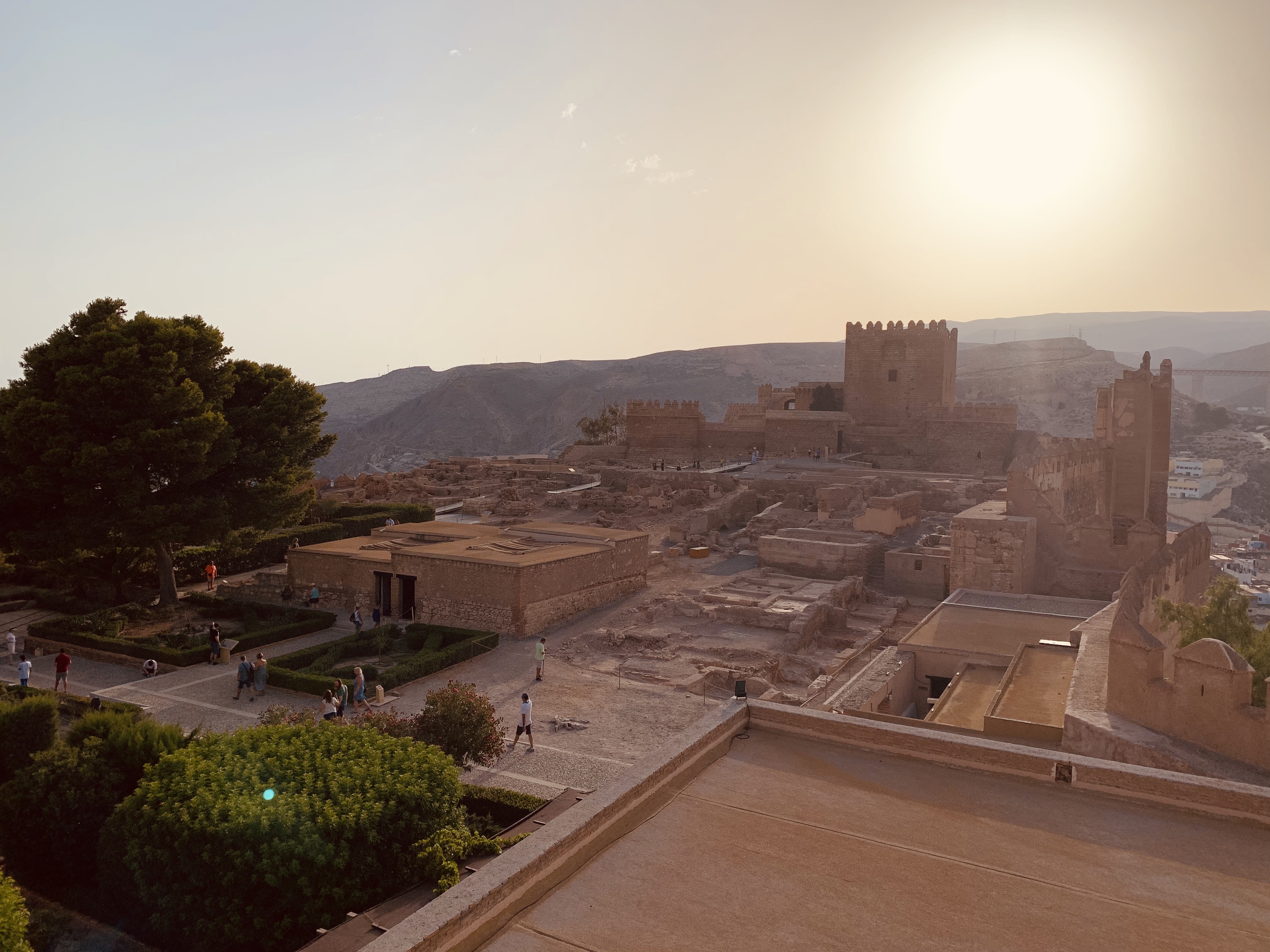
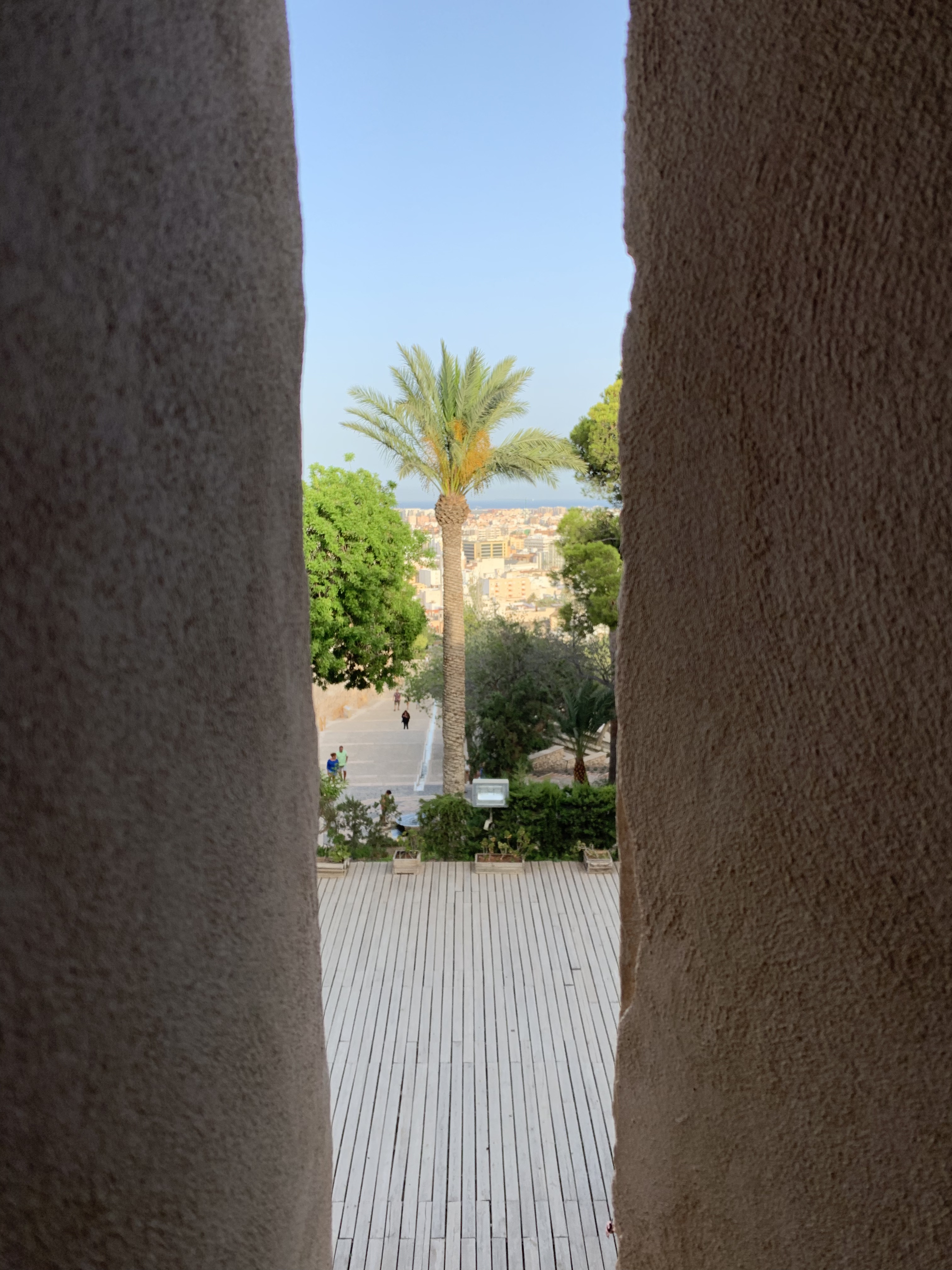
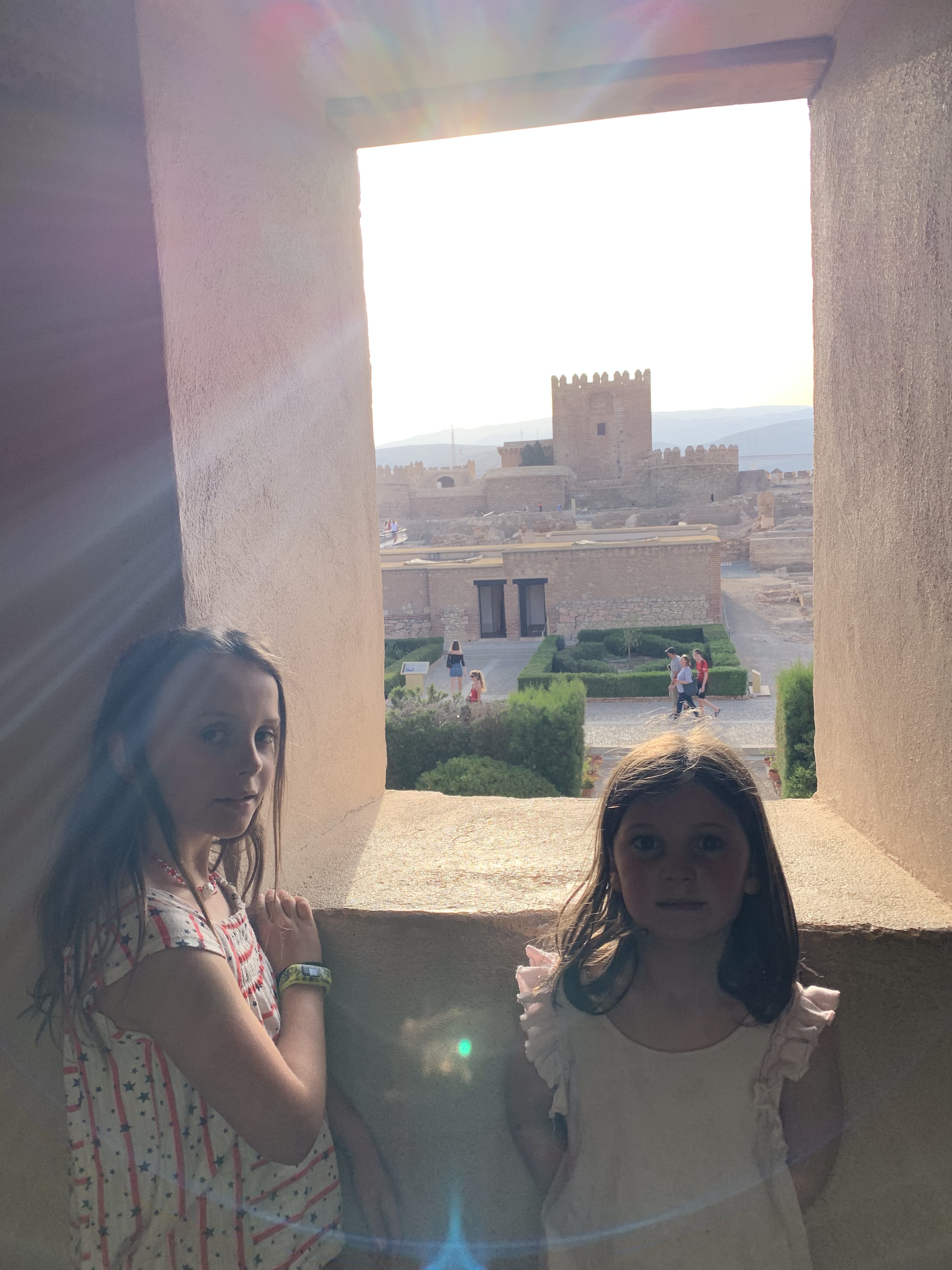
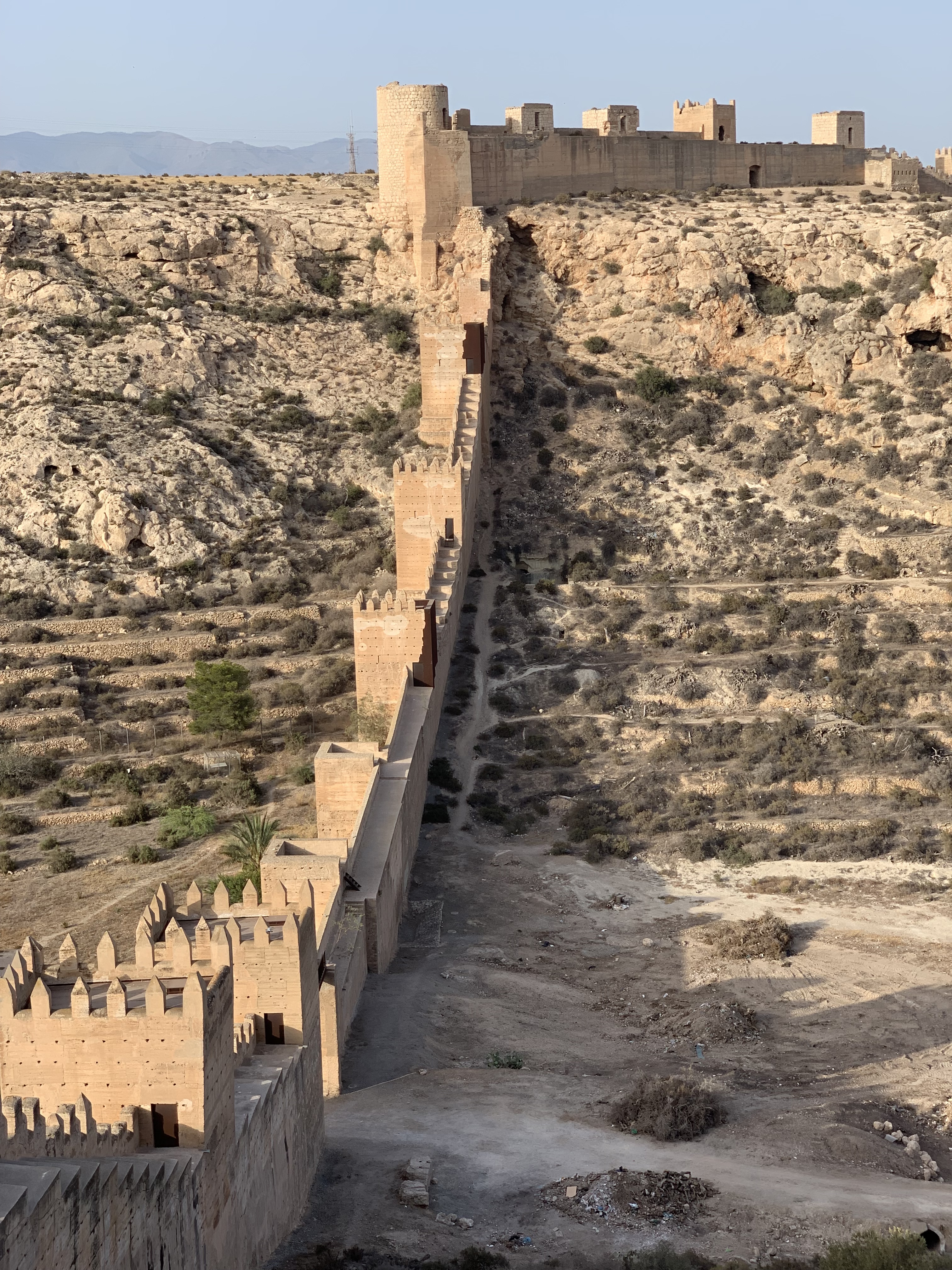
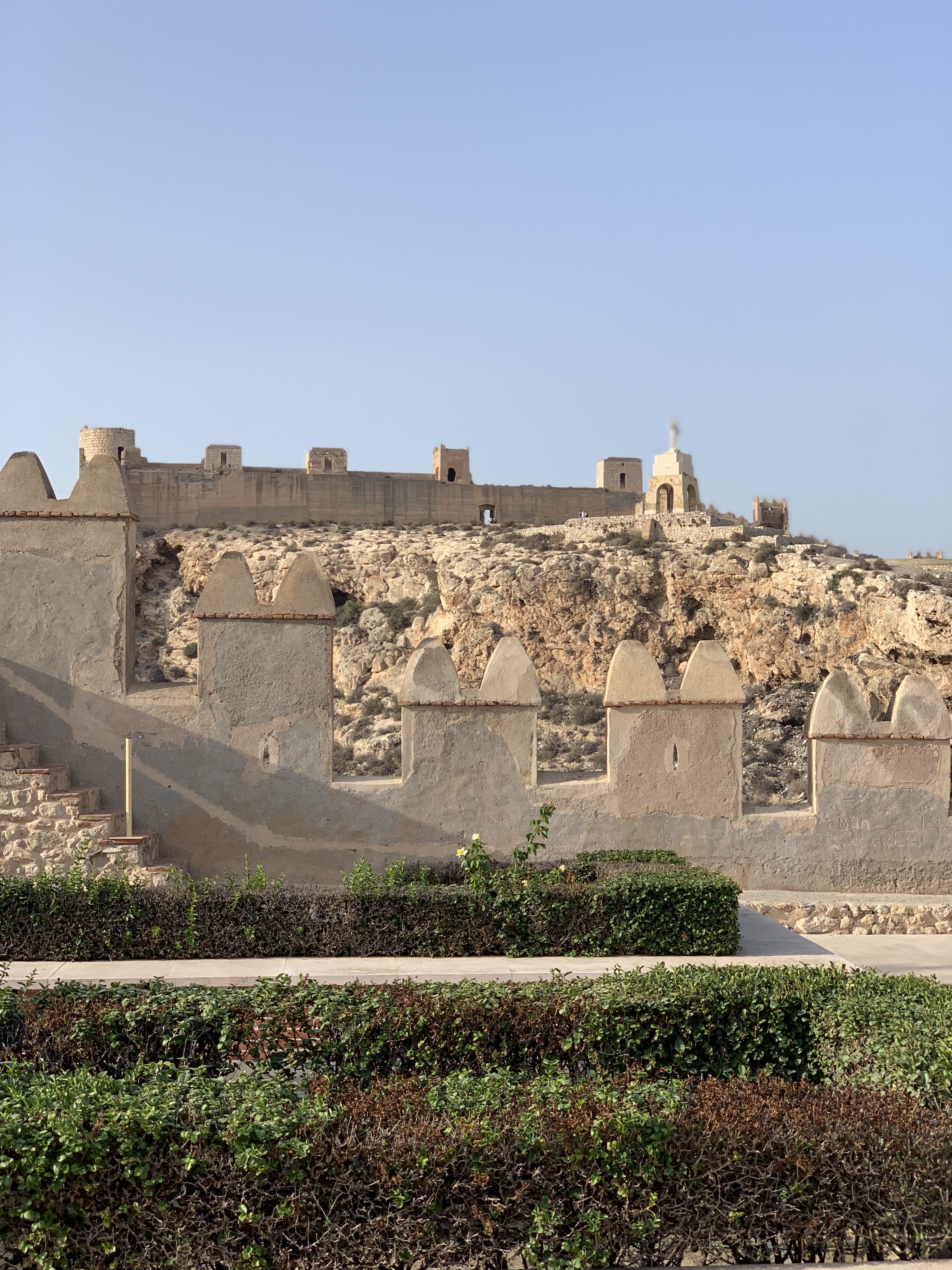
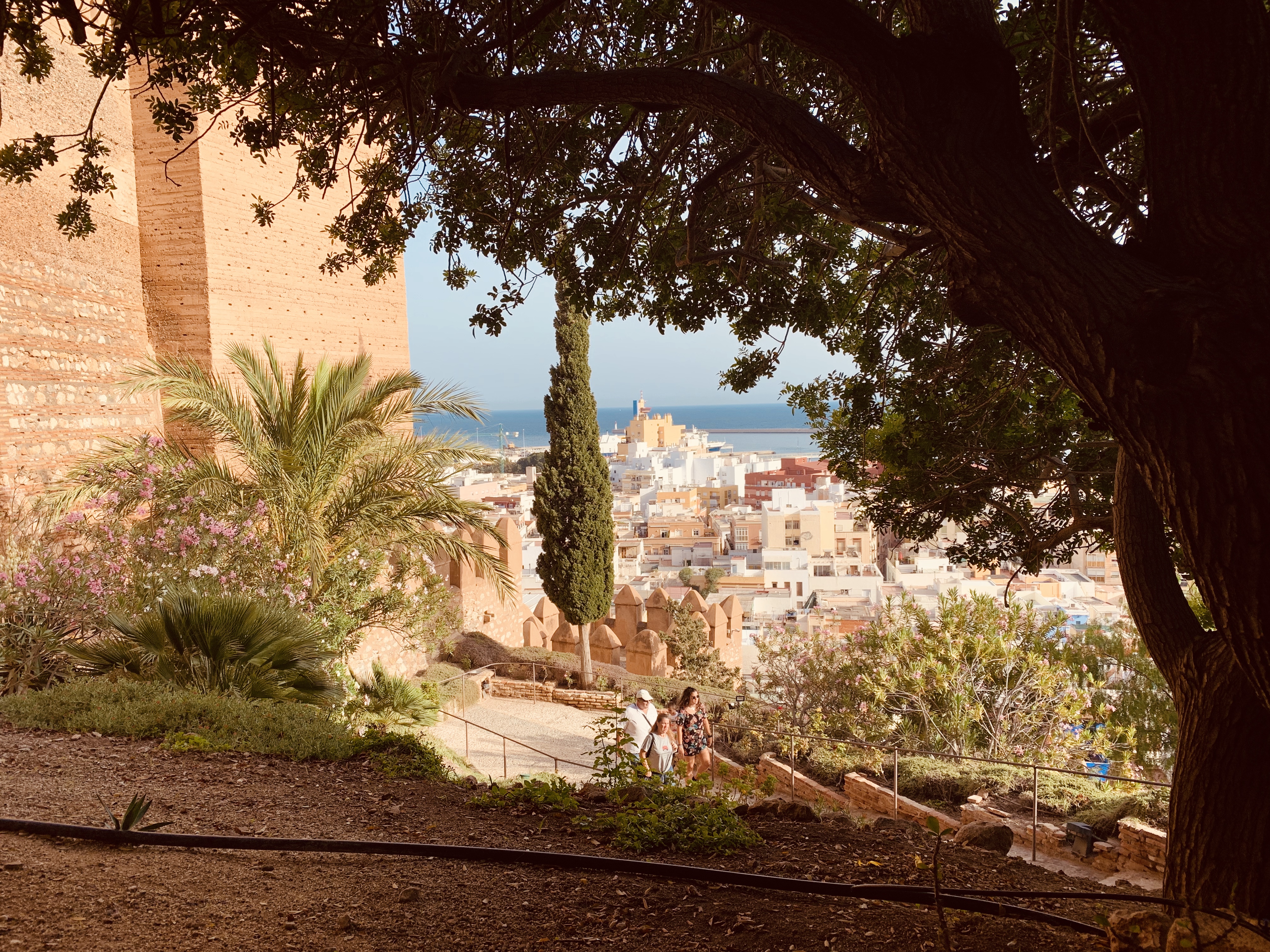
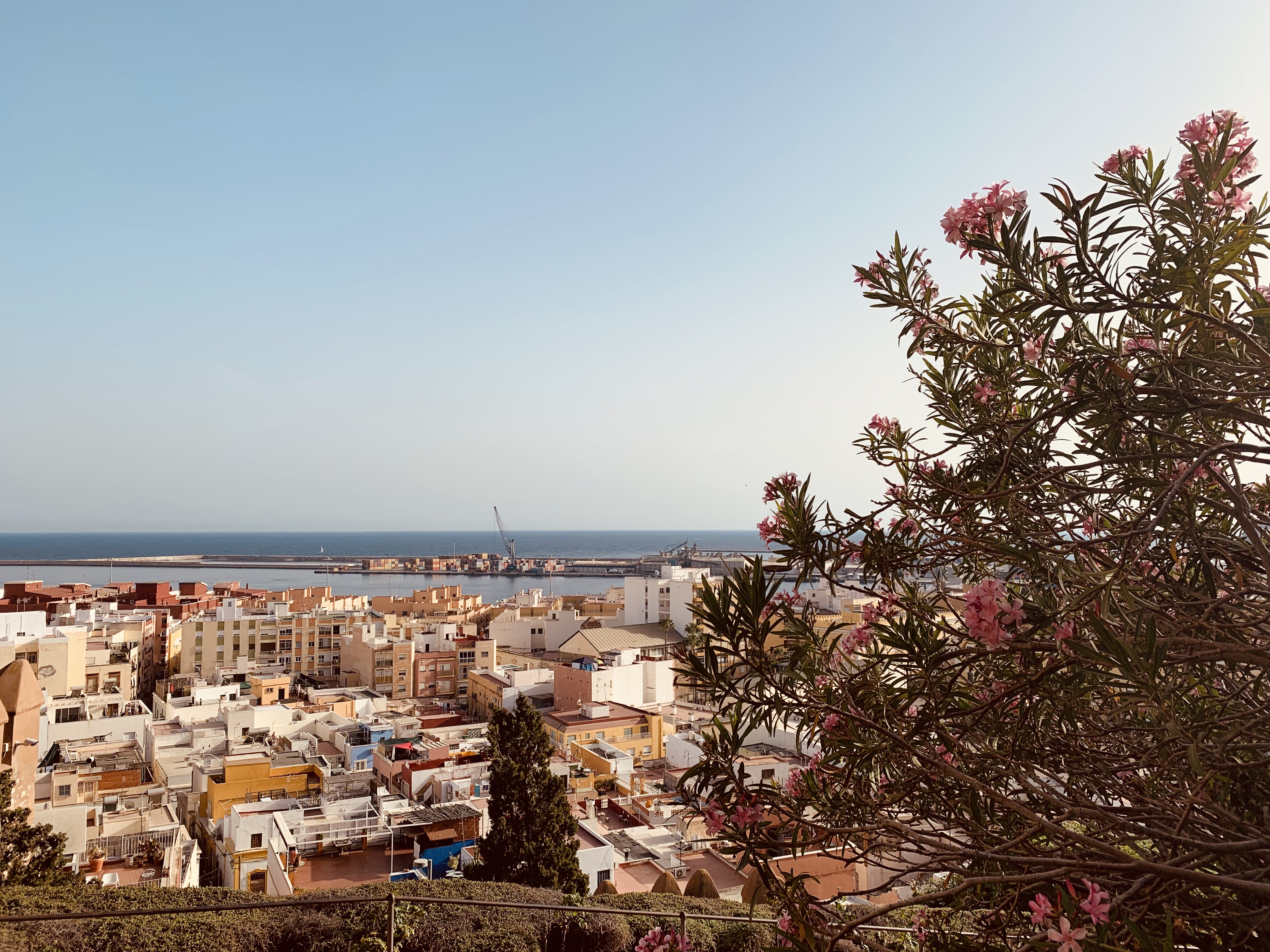
Even the lack of signage (in any language) didn’t spoil the fun, it just made our storytelling work harder. Suddenly we had two ‘go to’ sites – cathedrals and castles. We were on to a winner here.
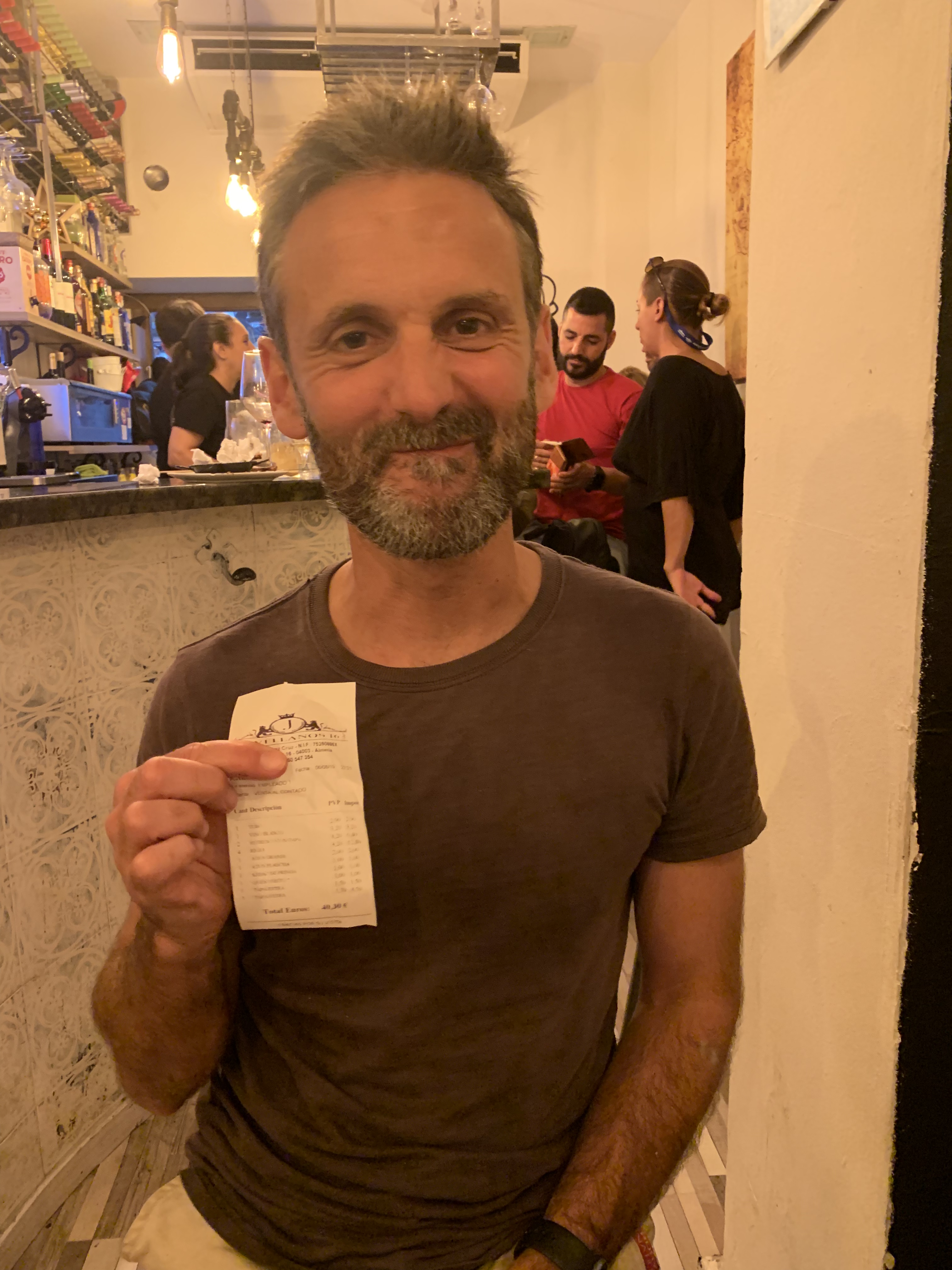
More winning was had at dinner, when we went to the highly recommended Jovellanos 16. The menu was largely incomprehensible in any language, and we quickly took to taking blind recommendations from the excellent waiter. We were strategic in our choices, ensuring that the end bill would comprise at least 80% drinks with dinner for 5 being largely complementary. One of our best meals, some of the best wine too (at 2.50 a pop), and all for under 40 euros for a family of 5 (and two more than slightly tipsy parents).
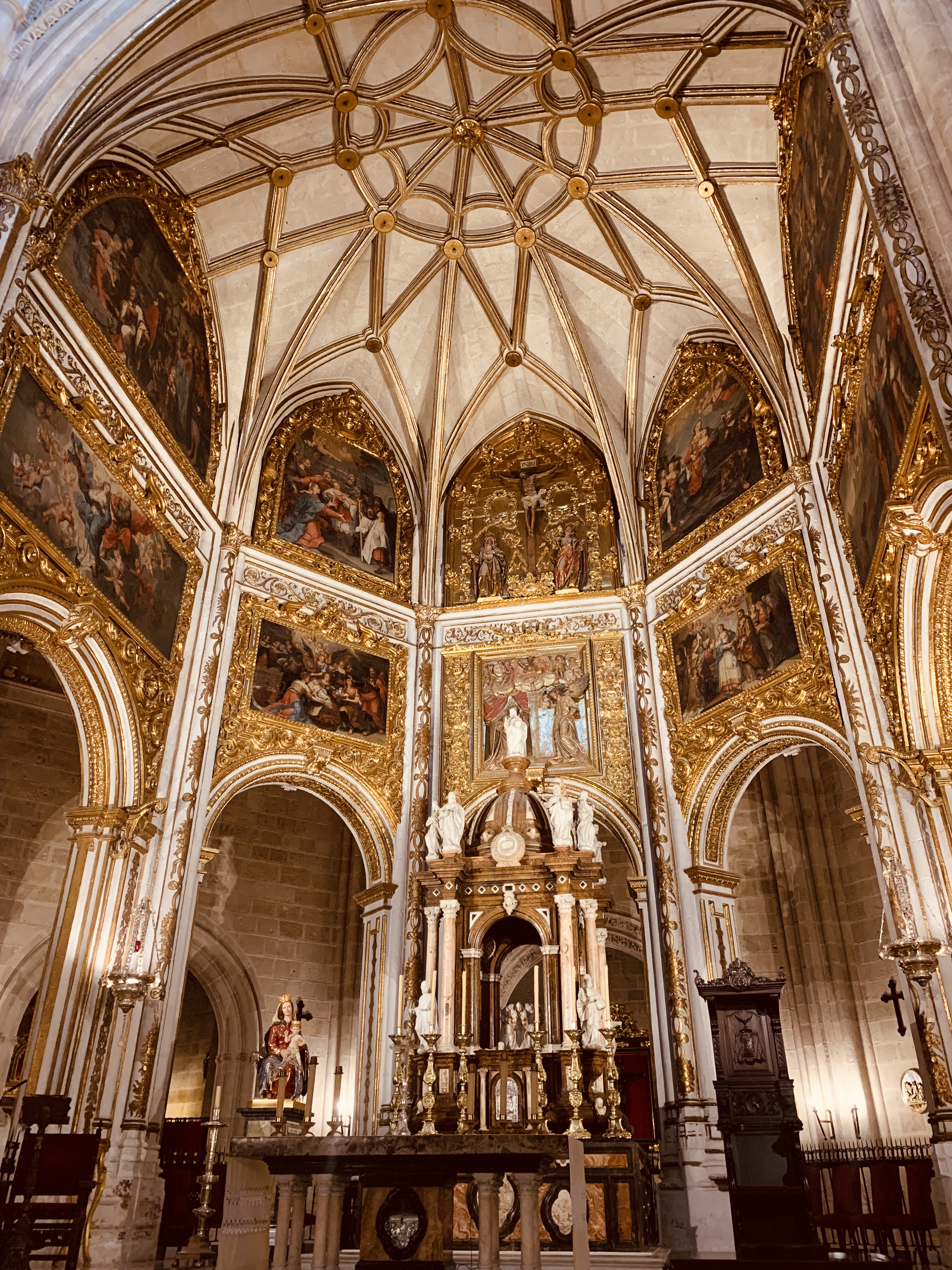
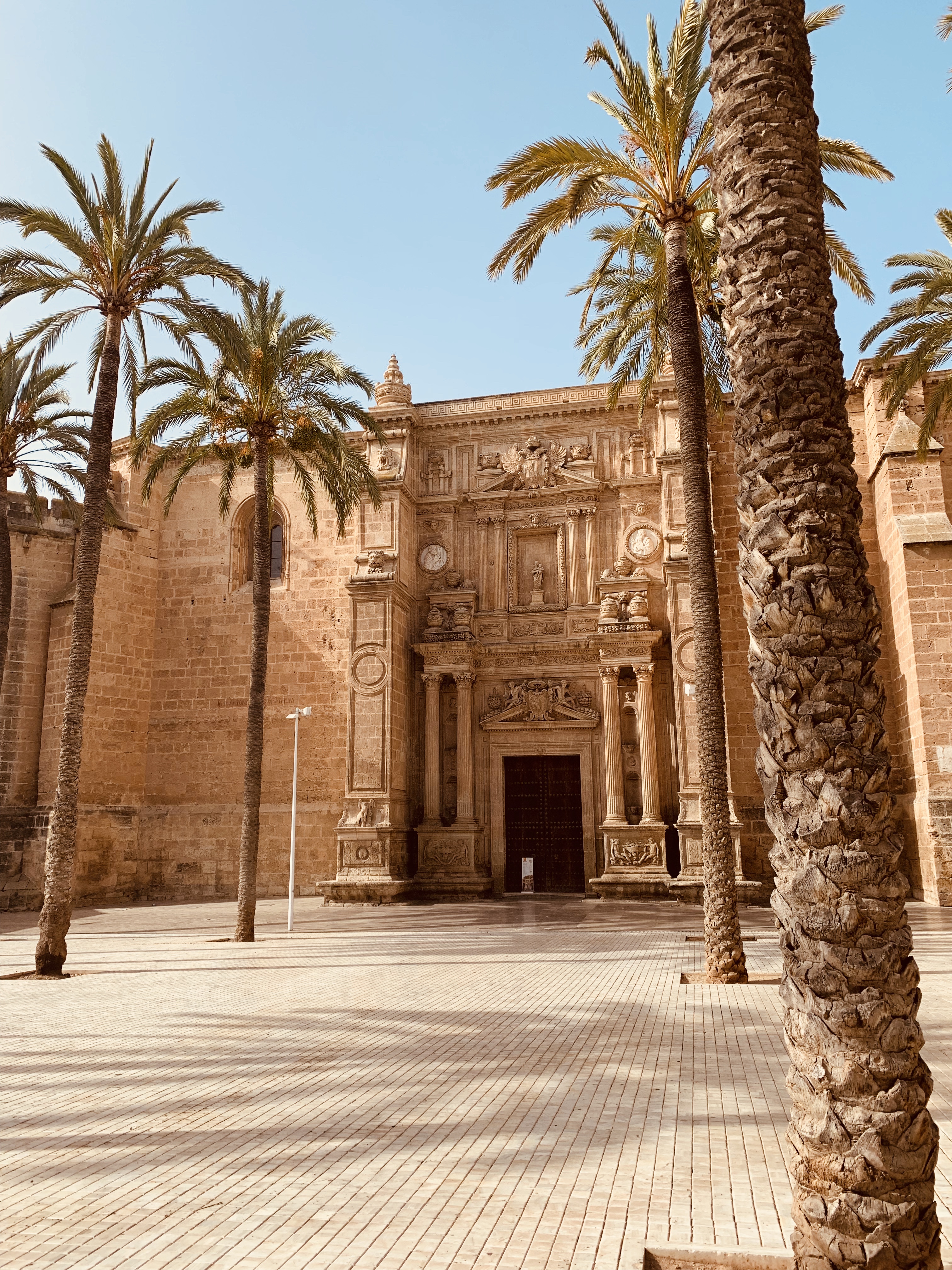
Moving day dawned and run club explored Almeria for the last time before we all hit the beautiful 15th century cathedral. The kids continue to be fascinated by religion, how it has shaped history, the buildings where seeing and the decisions we have continue to make (eg. lots of conversation after this visit about conservative v orthodox v reform views across each of the religions and how this would have impacted on the same sex marriage debate in Australia. Who knew we would be having these conversations?). The Almeria cathedral itself is again both beautiful (and extremely well maintained) and highly functional (doubling effectively as a fortress) – and the largest that the girls have seen.
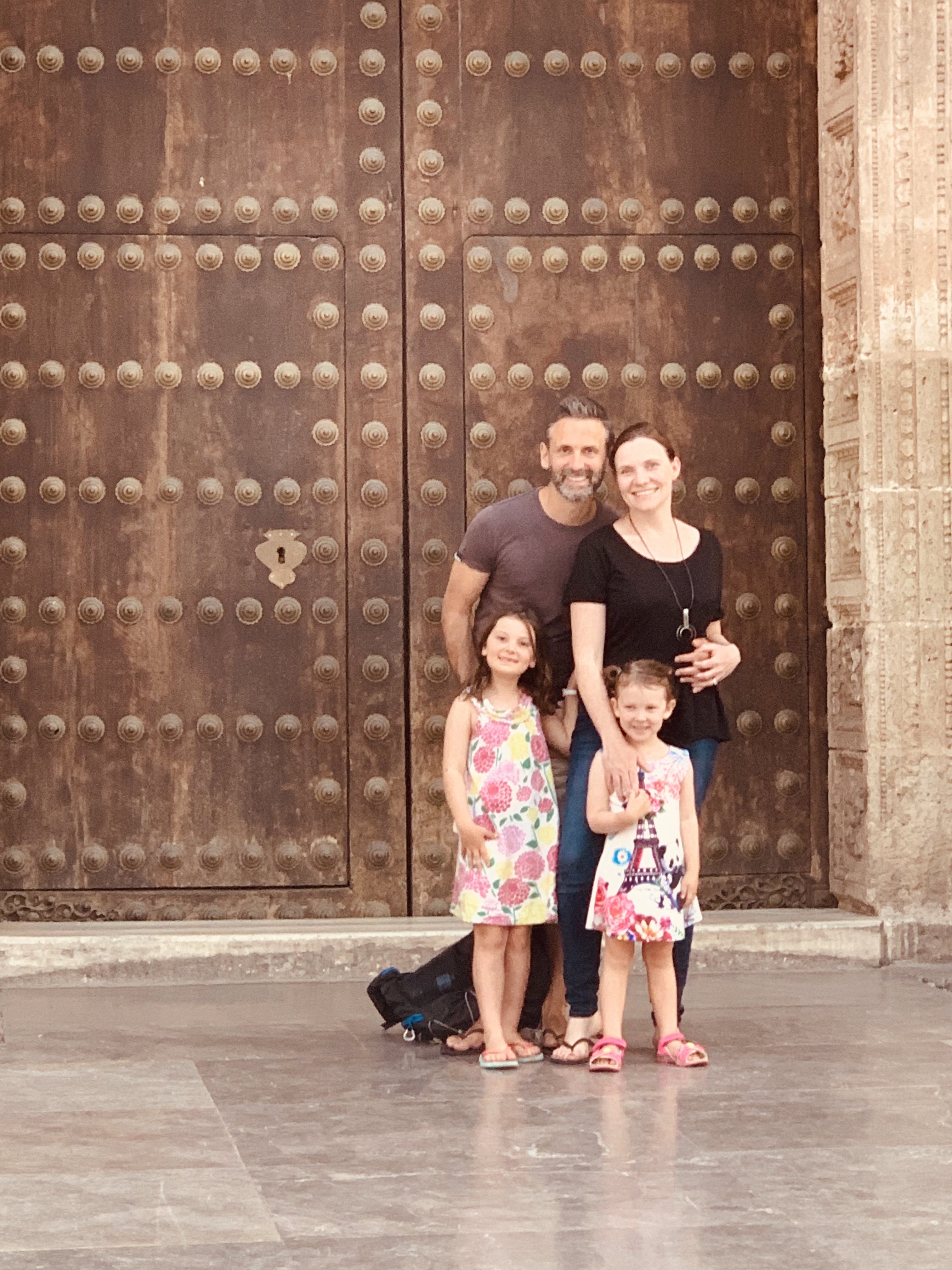
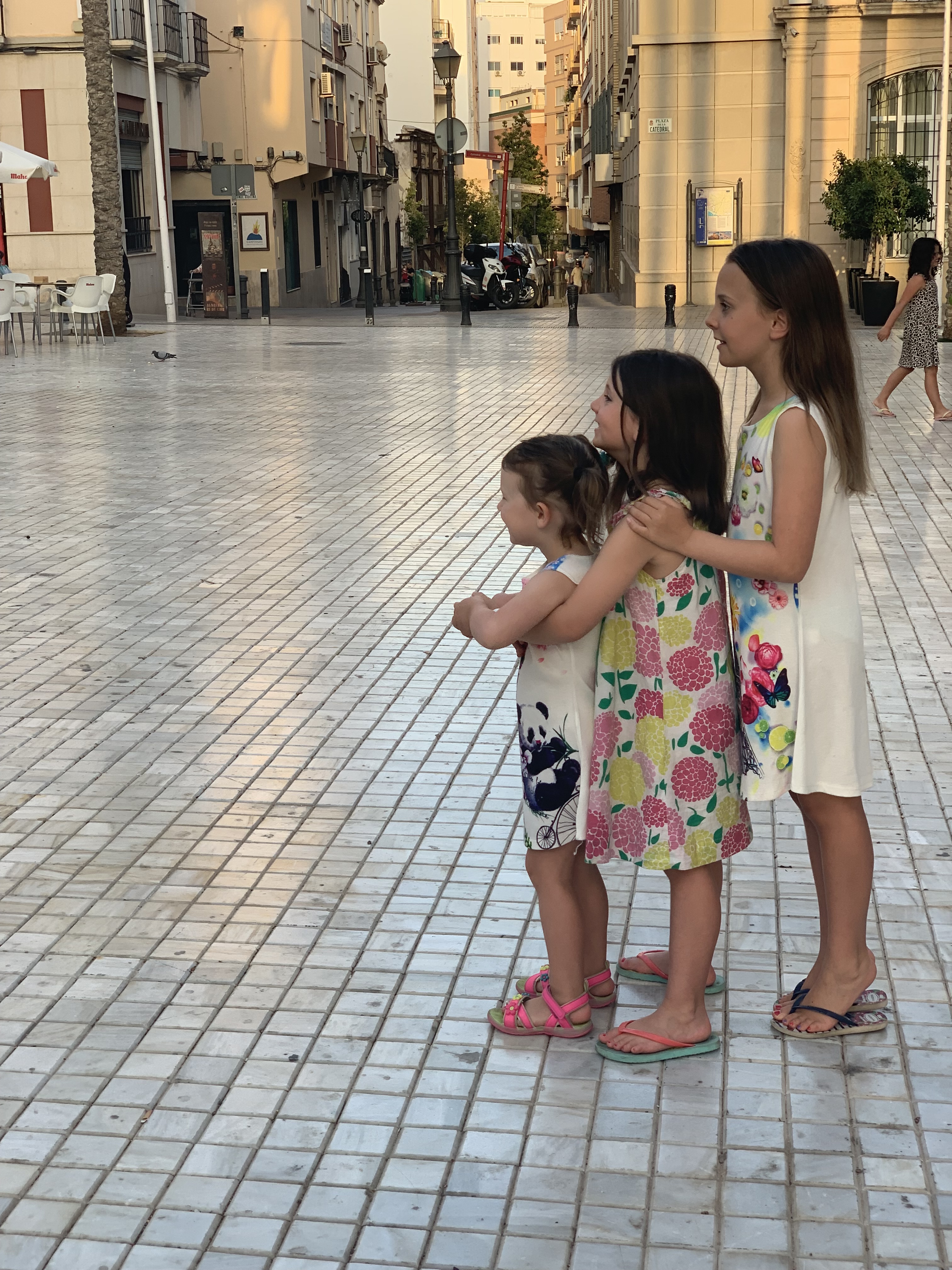
Another big tick from the younger generation and we were on our way, south again, but this time leaving the coast for the first time as we headed into the foothills of the Sierra Nevada and the much vaunted city of Grenada.
 Joseph Family Adventure
Wonderful adventures beautifully writtent. Enjoy
LikeLike
Sounds amazing Guys.
LikeLike