22- 29 March 2020
We are now at the end of our second full week of confinement.
Since our last post the world has changed yet again. There are now 770,000 people known to have the virus around the world (the actual number is likely to be much higher) and 37,000 deaths.
A week ago, quarantine was largely restricted to western Europe. Now, 3.4 billion people around the world are living in quarantine to one degree or another, though few as strict as France.
A week ago, the US (well, at least their President) was downplaying the threat of the coronavirus and the action to be taken, saying that the country would be open for business by Easter (3 weeks from now) and a vaccine would soon be available. Today, there is broad acknowledgement that, over the next few months, 100,000 US deaths would be a good result, but the number may go as high as 200,000 with millions of infections. New York has more than half the cases, but LA, Florida, Detroit and Chicago are predicted to make a run for pole position in time. Floating navy hospitals lie in wait off New York and LA, waiting for patients. There is broad consensus that a vaccine will not be available for at least 12-18 months.

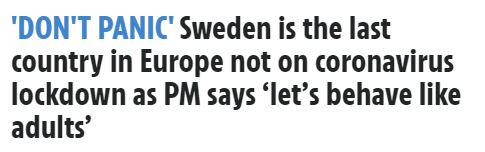
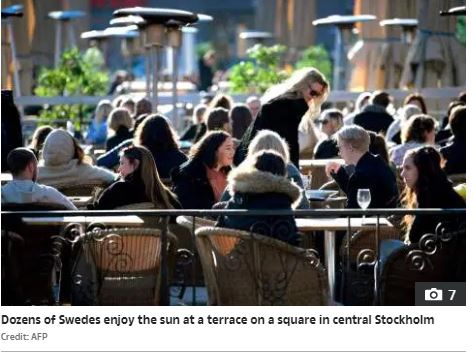
The whole of Western Europe is in lockdown with the exception of Sweden, who has kindly taken one for the team and decided to play the role of ‘base case’ in Western European scenario models. They have implemented a largely ‘do nothing’ policy, rumoured to include compulsory neighbour licking policies to ensure that the population as a whole is exposed as quickly as possible.
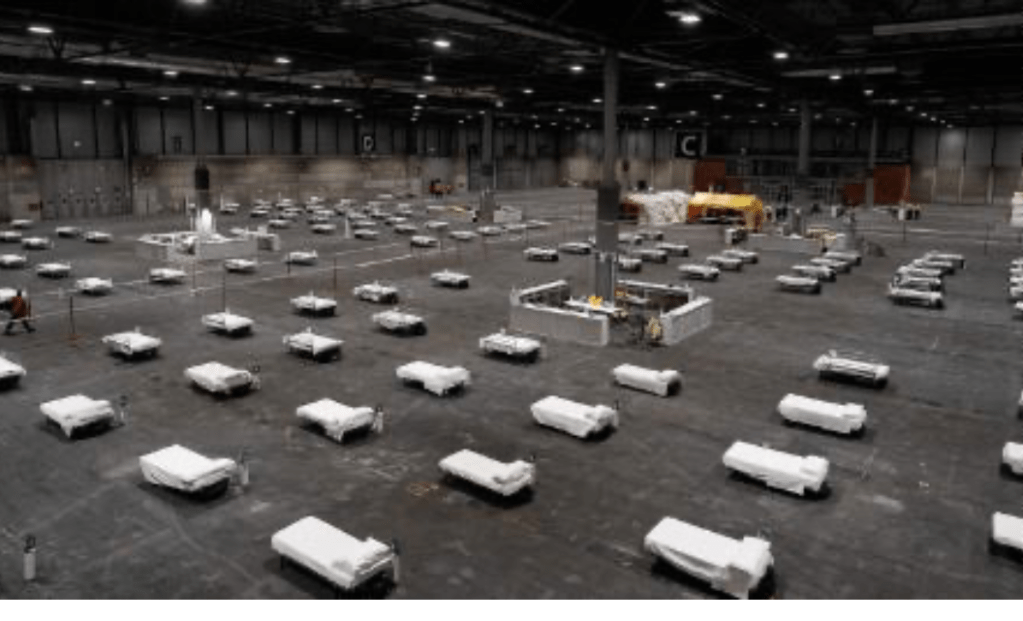
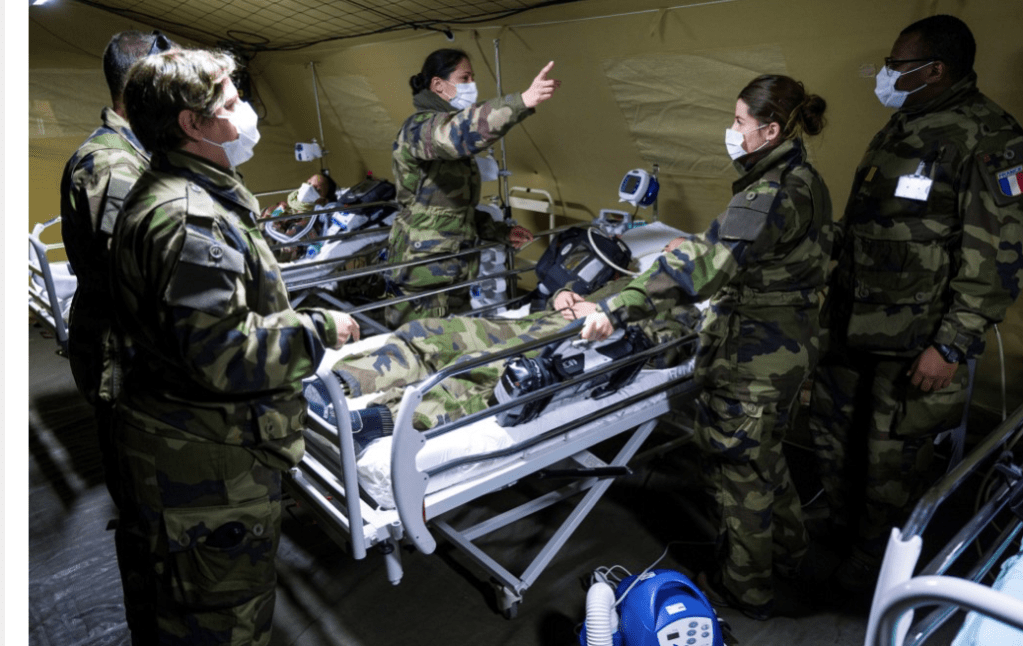
In the UK, Boris Johnson went from espousing the value of ‘herd mentality’ to running the numbers and realising that the herd would overrun the NHS by a factor of 9, putting the country into quarantine then announcing that he and his Health Secretary had led by example and caught the virus themselves. Meanwhile, the NHS has commandeered all private hospitals and converted the Excel conference centre in East London into a 4,000 bed field hospital.


Stories of horror and hope continue to emanate from both Italy and Spain. Footage of people dying in hallways unable to access life saving ventilators and ice skating rinks converted to morgues compete for airtime with neighbourhood balcony concerts, gratitude for tireless health workers and uplifting stories of compassion and connection. Meanwhile, the two countries between them have had nearly 20,000 deaths, more than half of the worldwide death toll.
Belarus continues to pretend nothing is wrong and is still playing football and Venezuela’s president is prescribing lemongrass, elderberry, black pepper ginger tea and natural remedies to deal with the virus. Both countries again demonstrating the value of strong, stable and sane leadership in a time of crisis.

Australia, for its part, has gone hard at closing its borders and quarantining all arrivals in hotels at their port of arrival for 2 weeks. Social distancing measures have been taken, although at this stage measures are a lighter touch than in Europe and schools are theoretically open (however most kids are staying at home). Initial (early) data suggests that new infection rates are slowing
As confinement measures are established, new cases and deaths across the world continue to climb steeply and, in many cases, exponentially. The term ‘flattening the curve’ is now common parlance, meaning slowing the initial rate of infection in the community to reduce the peak and allow the health system to ramp up and handle peak demand whilst the community develops immunity.
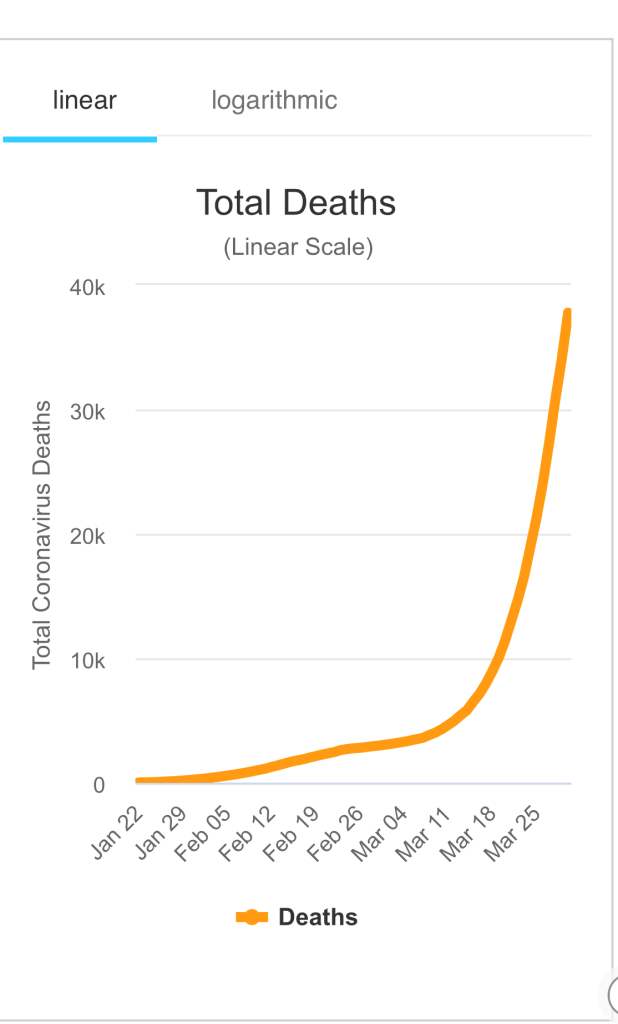
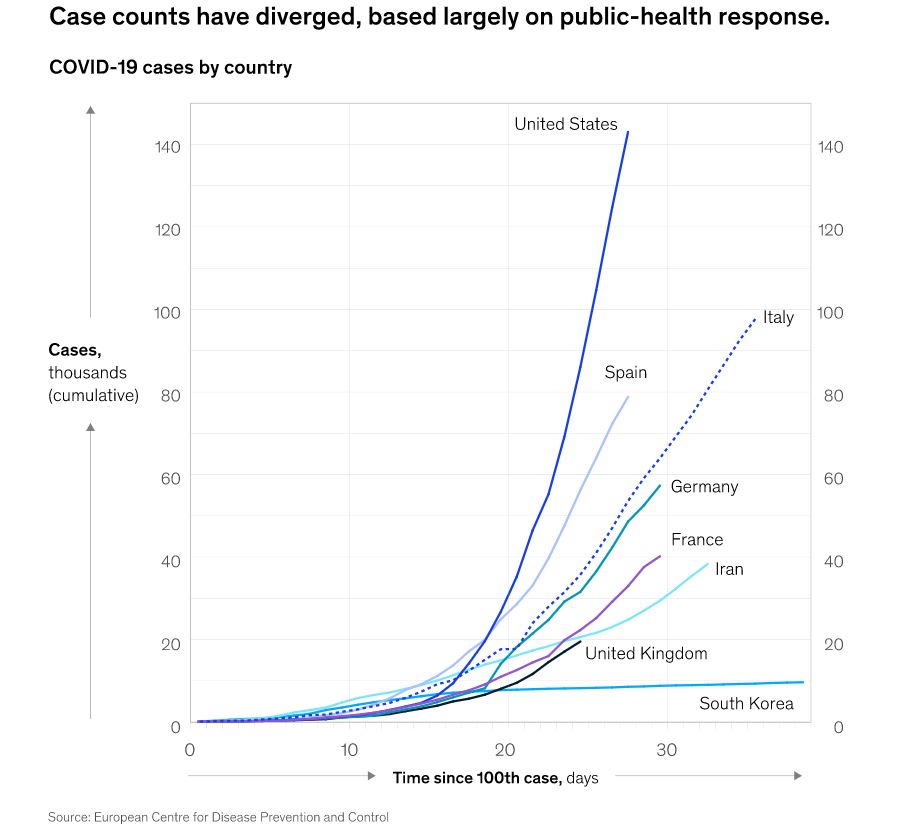
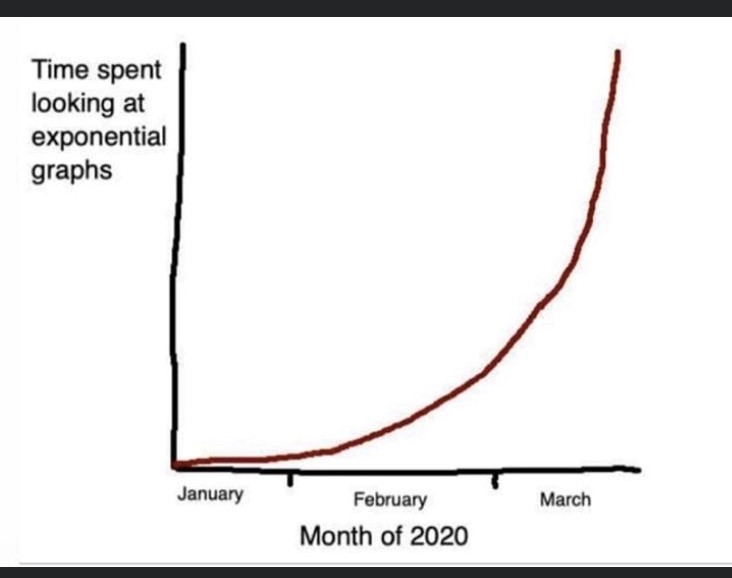
There is much study and debate about what the right metric to track (new cases – when no one is testing the whole population or lag measures such as hospital arrivals; those requiring ventilators or deaths). Data scientists, epidemiologists and the media are having their moment in the sun, and there has never been a time when the general population has devoted such a large amount of effort to studying steeply climbing multi coloured lines. Some people actually understand what a logarithmic graph actually means now. Smart friends of ours (you know who you are James and Luke) are developing cult followings on Facebook providing modelling and commentary.
Politicians, health workers, hospital administrators, check out operators and homeschoolers are all asking the same question – are we there yet? Have we peaked? Can we see a runway through this crisis? In the case of Italy and Spain and the hardest hit areas of France, there is hope that new cases may have peaked in both countries and that the rate of infection will begin to slow. In other countries the expected peak is likely to be weeks or months away.
Meanwhile governments are committing trillions of dollars to support businesses shut down due to confinements and people who have temporarily or permanently lost their jobs. Economists are predicting a 2.5% reduction in GDP for most major economies and a slow down of almost 1% to global GDP. Most stock markets have lost around 30%, over 1 million people lost their jobs in Australia this week and there is broad recognition that the virus will drive many major economies (including Australia) into recession this year. The economic impact of the virus may end up being as severe and long lasting as the health emergency itself (and create a second wave of health and welfare related challenges).
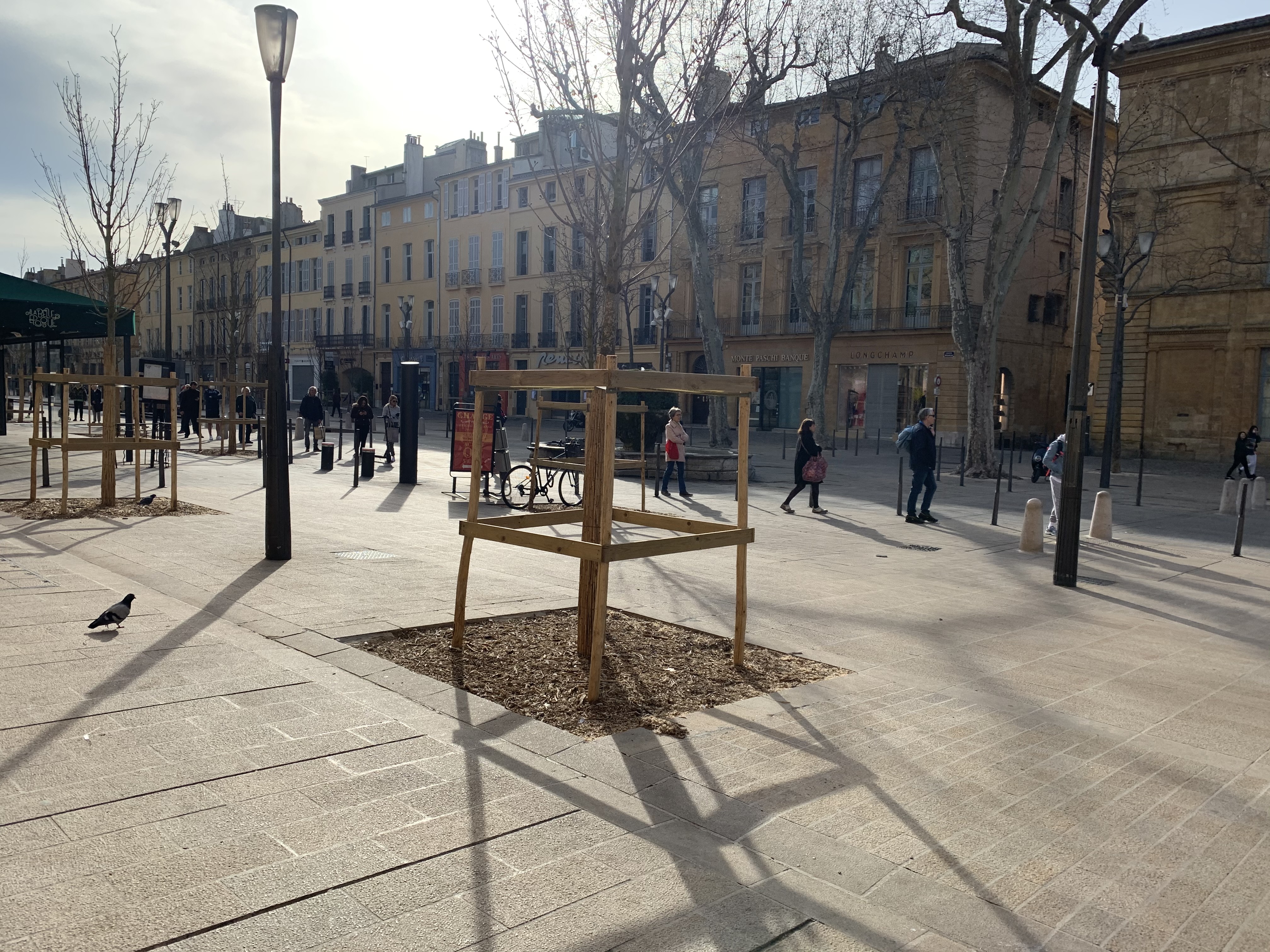
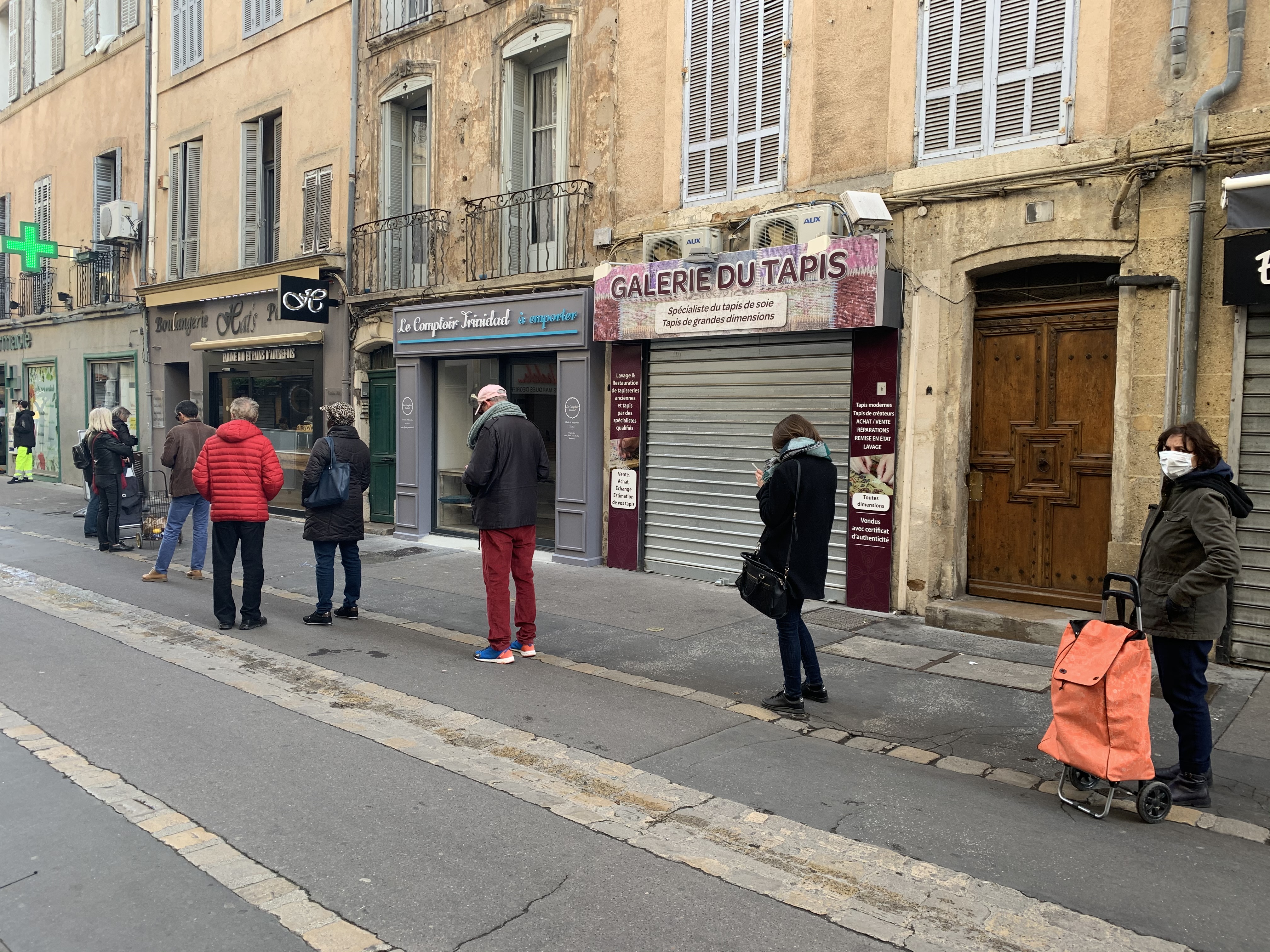
After being castigated by the President (twice), France has definitely caught on to the importance of social distancing and confinement. Streets are largely empty, lines for shops are maintained at a safe ‘social distance’ and masks are commonplace. Police patrol the streets and document checking has become frequent and unpleasant. After the first 2 weeks, the PM confirmed that longdown would last at least 4 weeks until school holidays but no one expects it to be over before the end of April.
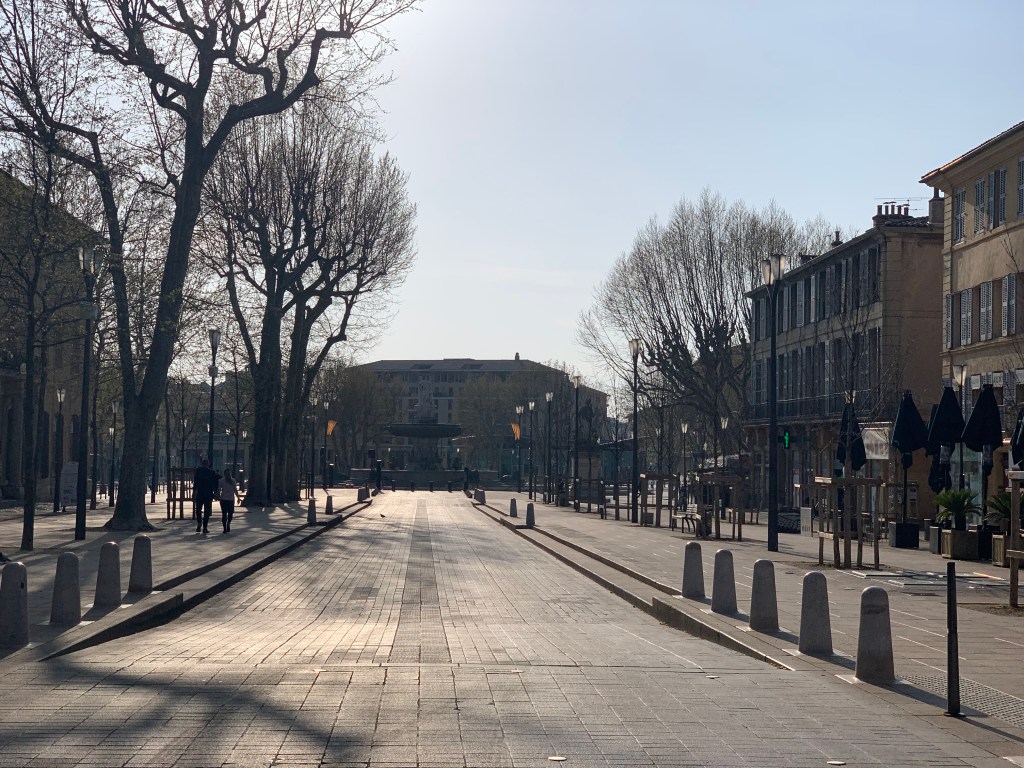
Instead, those seemingly few of us in the city wave at each other across rooftops or empty roads and squares each evening at 8pm when we’re leaning out our windows applauding the efforts of French health workers stretched to their limits. Aix has yet to hit the Italian heights of musical performances or balcony concerts, perhaps because there are simply not enough people left in the centre.
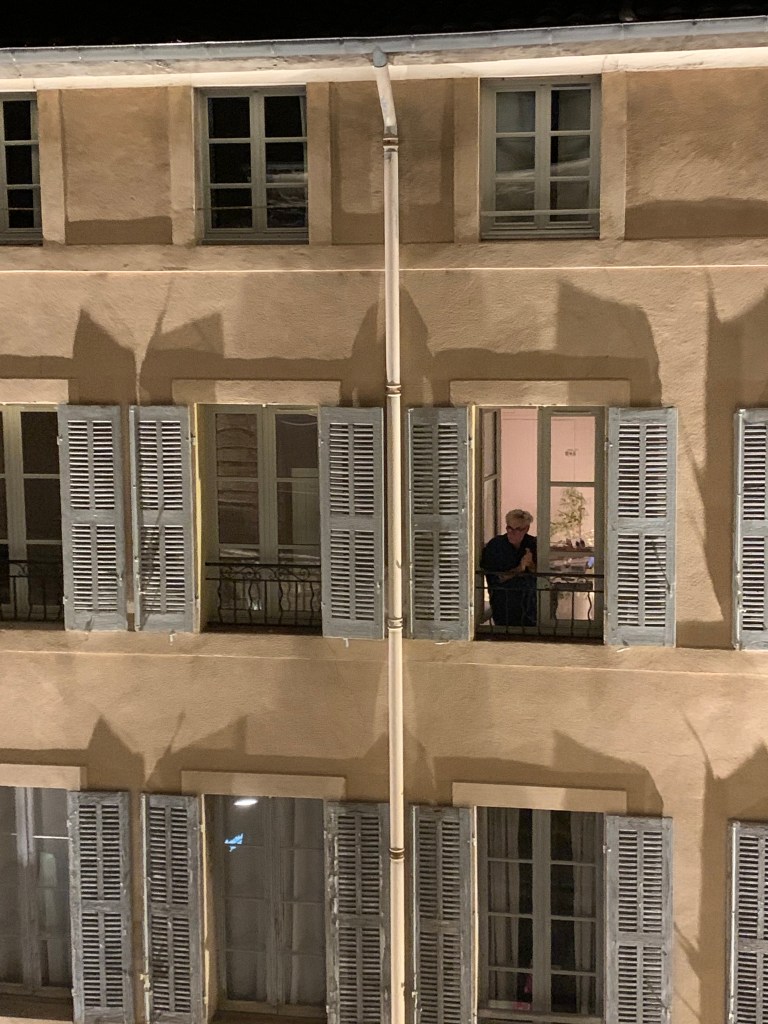
Those of us who are here, however, seem to be making a special effort to be nice to each other. We wave, we smile, we have conversations from one window to another, we offer help to those who may need it. Whilst we may be confined, we do not feel alone.
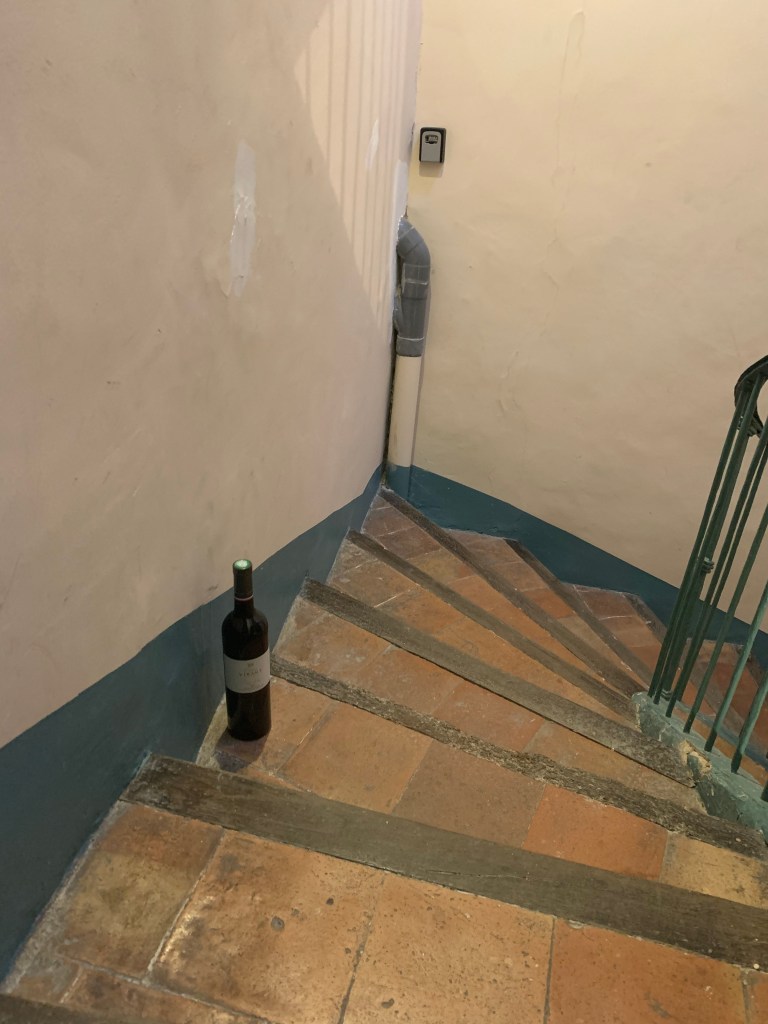
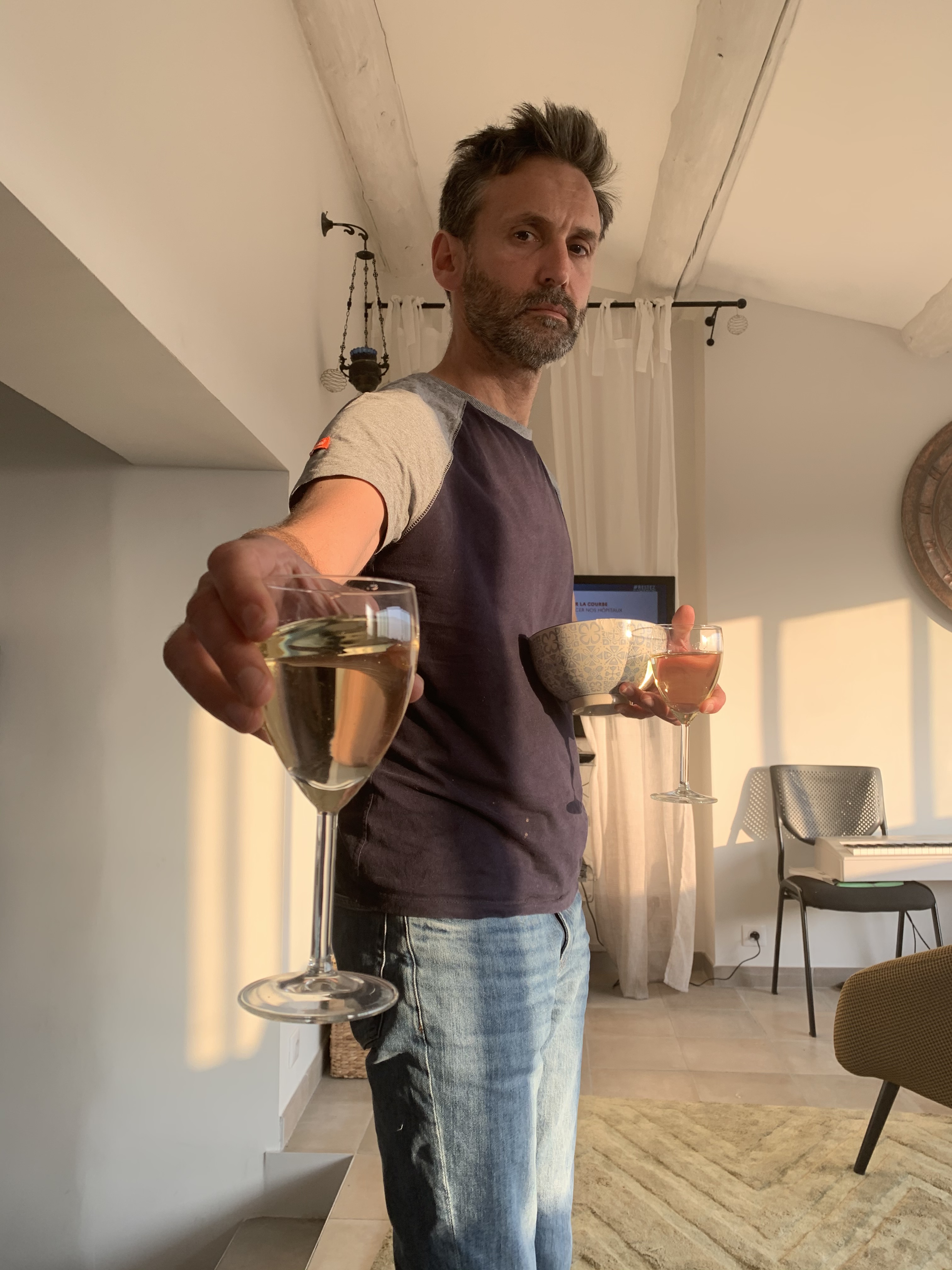
Neighbour dropped some wine (at a distance) to say thanks for the sanitised hand wipes we left at her door….
Many of those with outdoor space have not left their houses in 2 weeks; we choose to get out of our apartment daily but do so with care and have a thorough routine for disinfecting everything when we get back to the house. Hand moisturiser has been added to the mix.
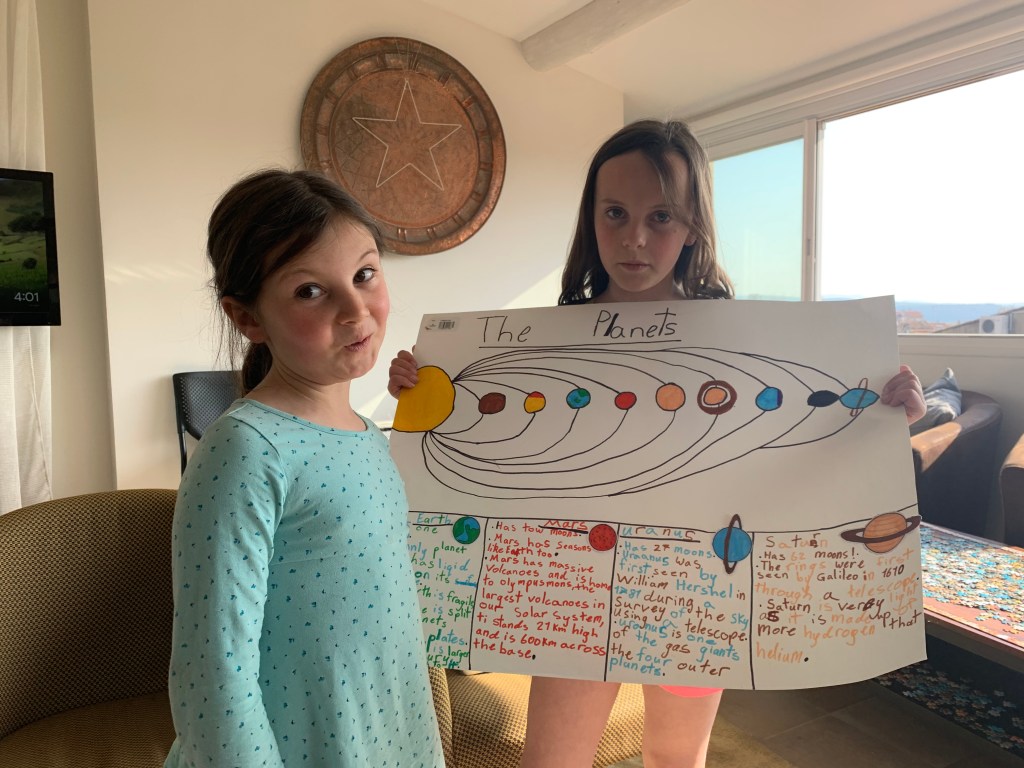
Routine is key. Everyday has a schedule, including weekends. A mix of schoolwork, exercise (indoor HIIT classes, ‘run club’ with the kids or riding to nowhere on a newly aquired indoor trainer) and free time (read: get downstairs and don’t come up for 90 minutes). Cooking. Piano. Drawing. Dancing on the new P4. Harassing the dog.
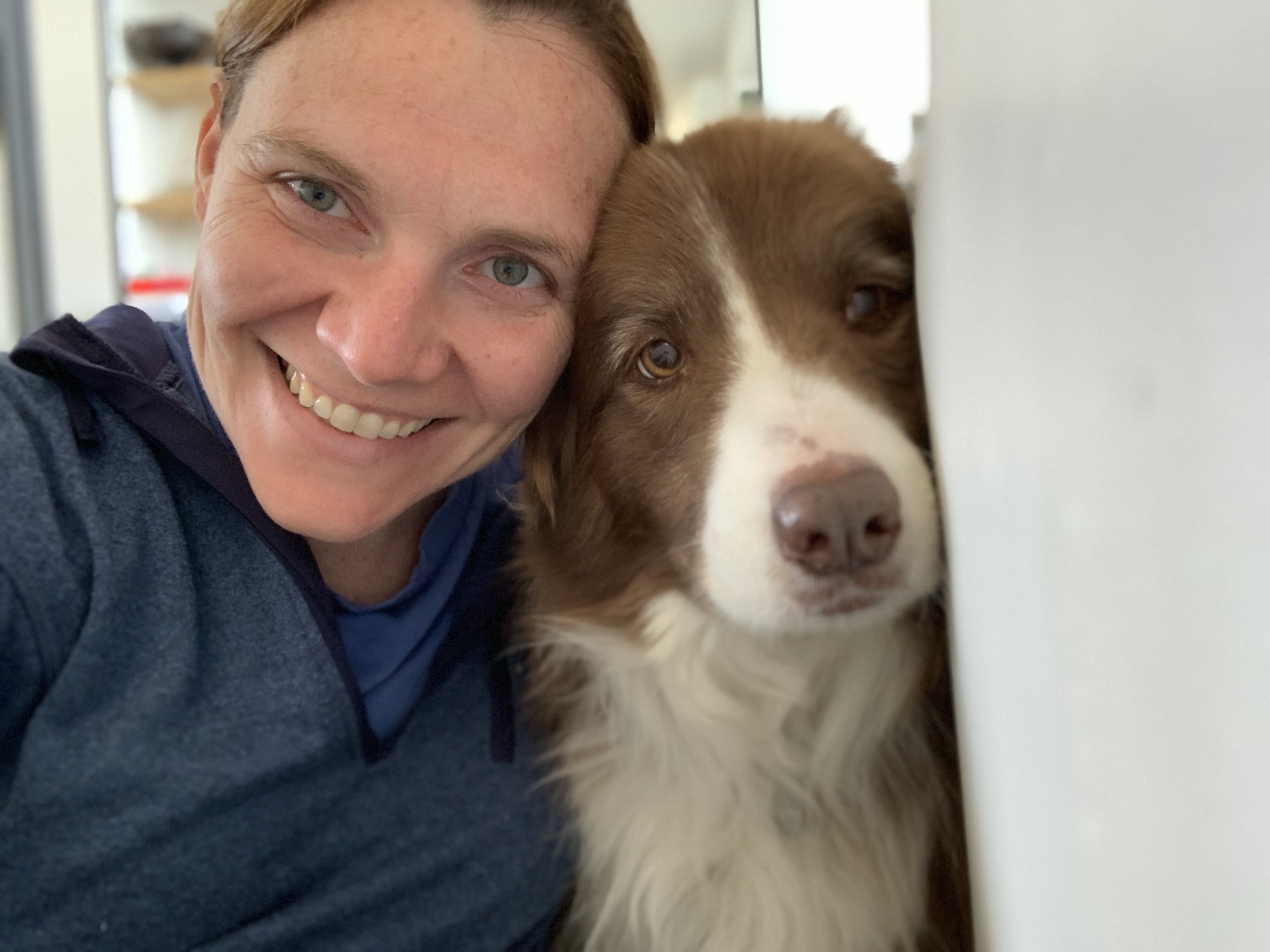
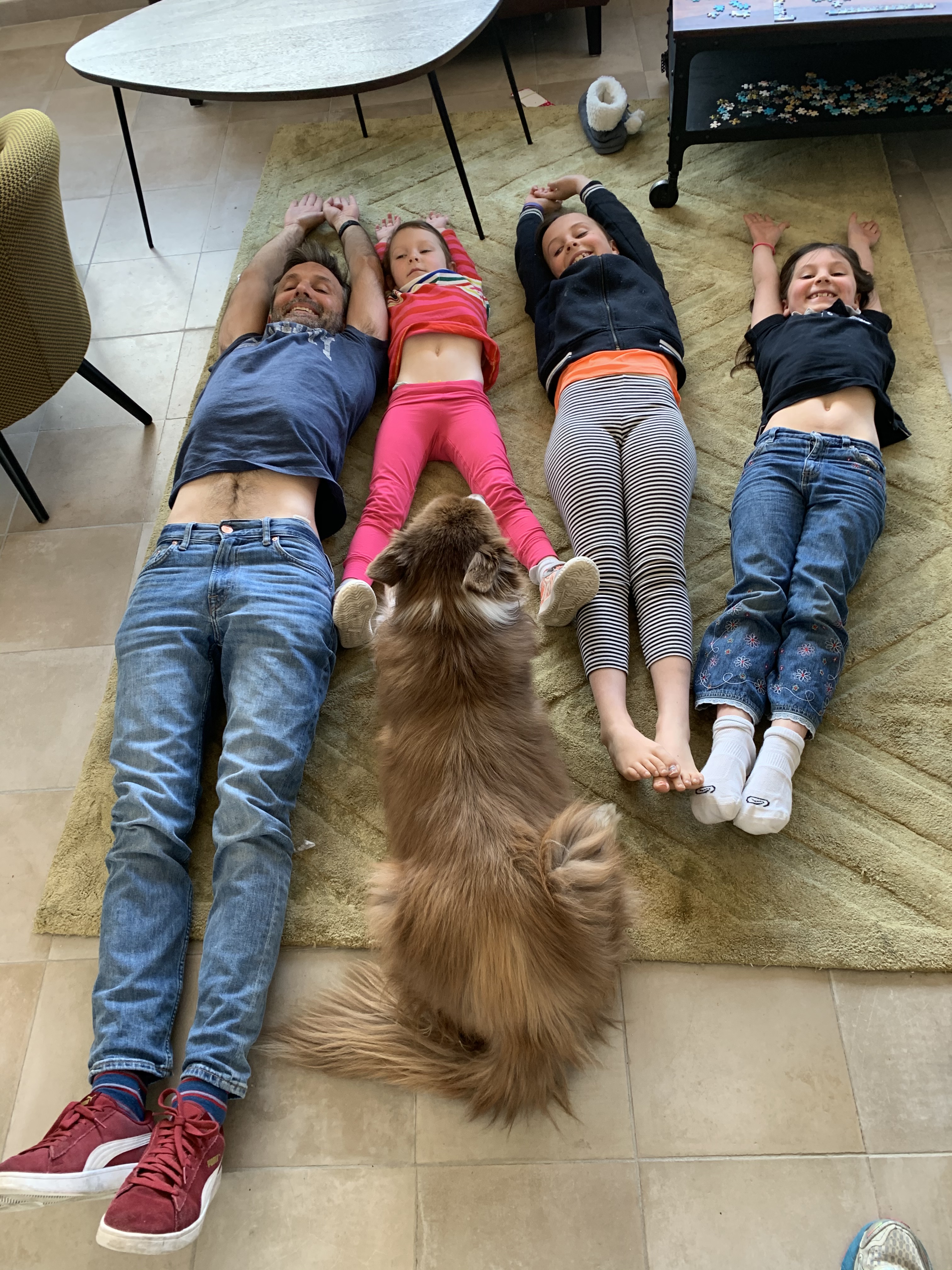
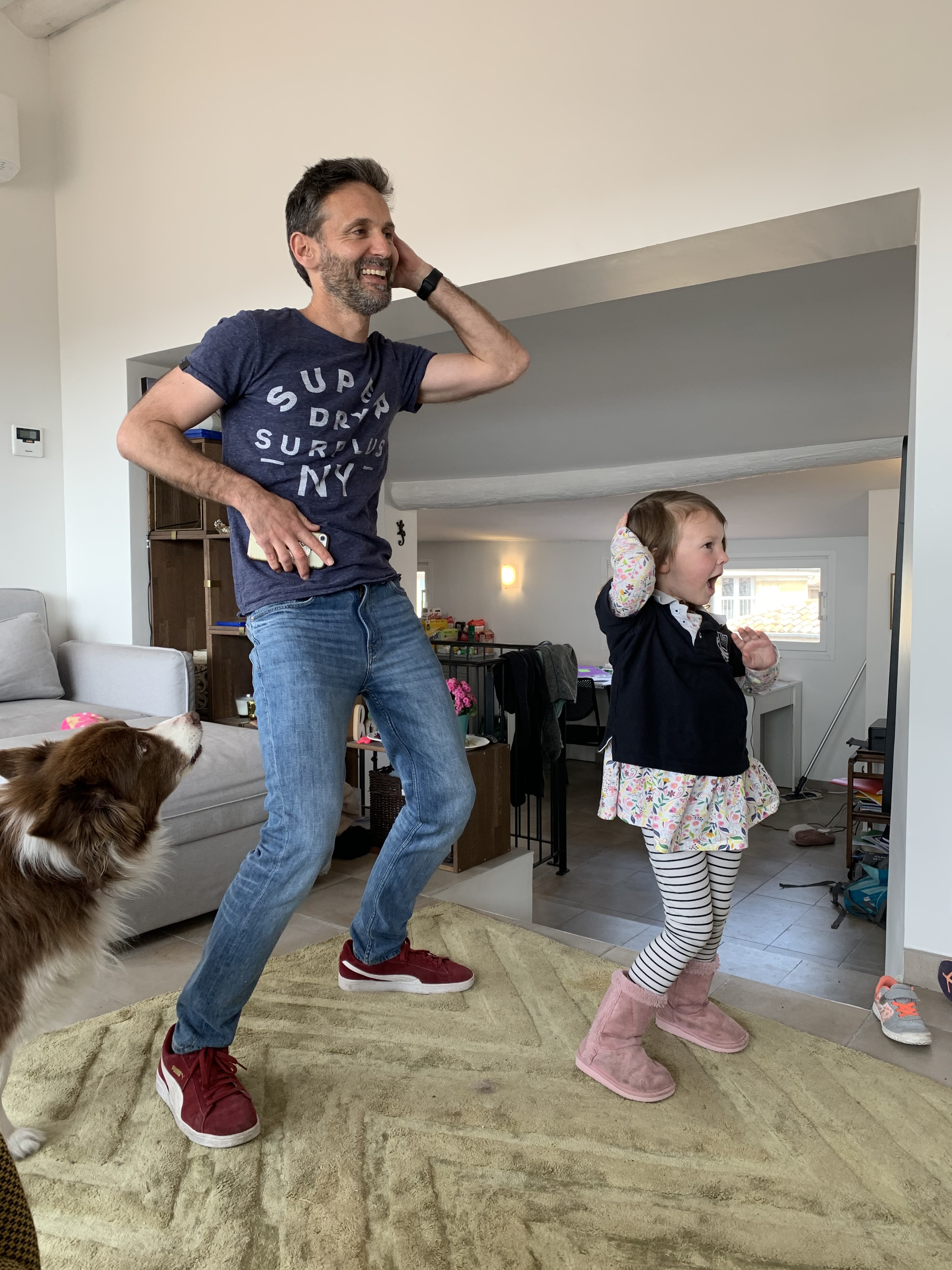
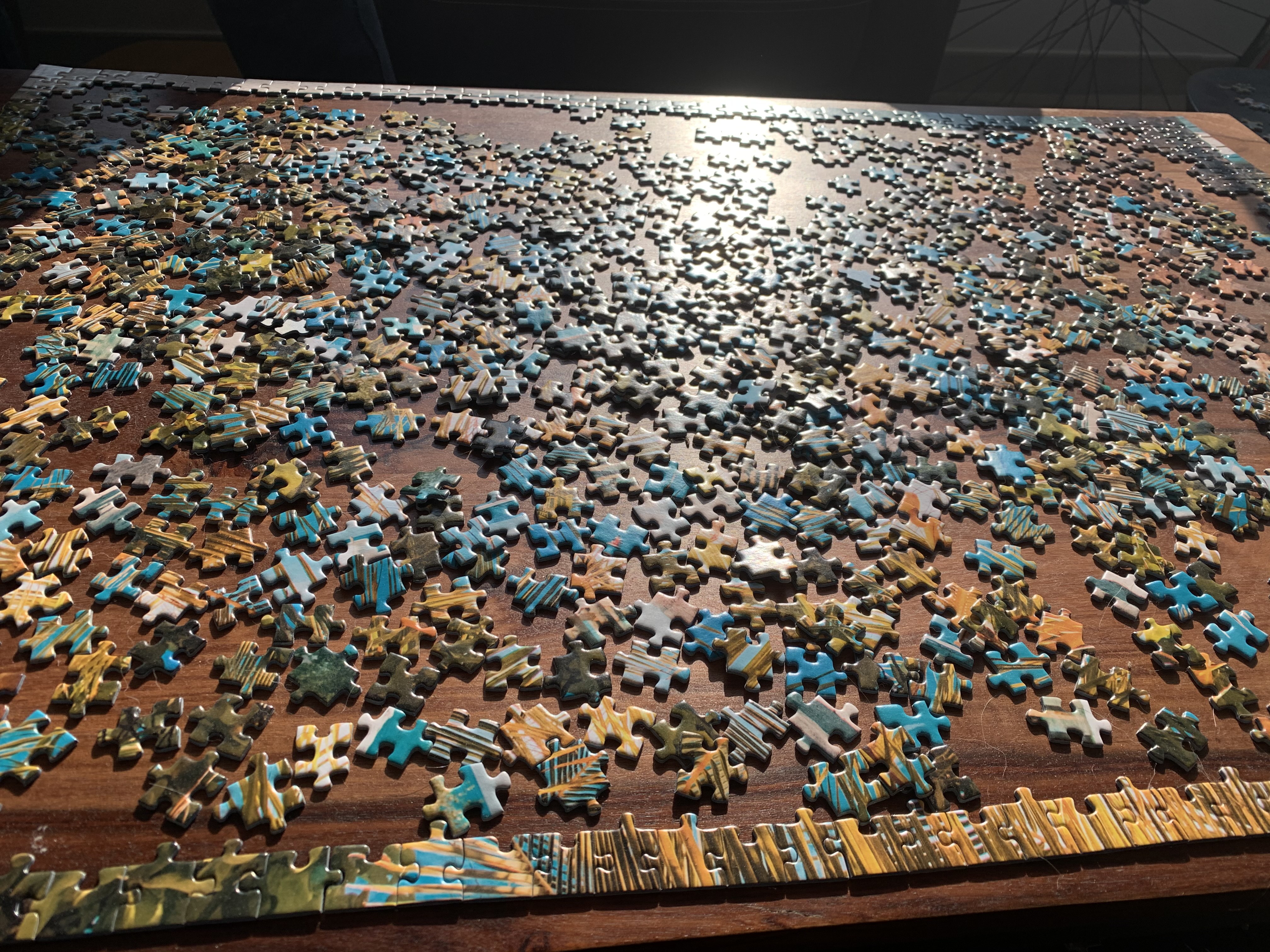
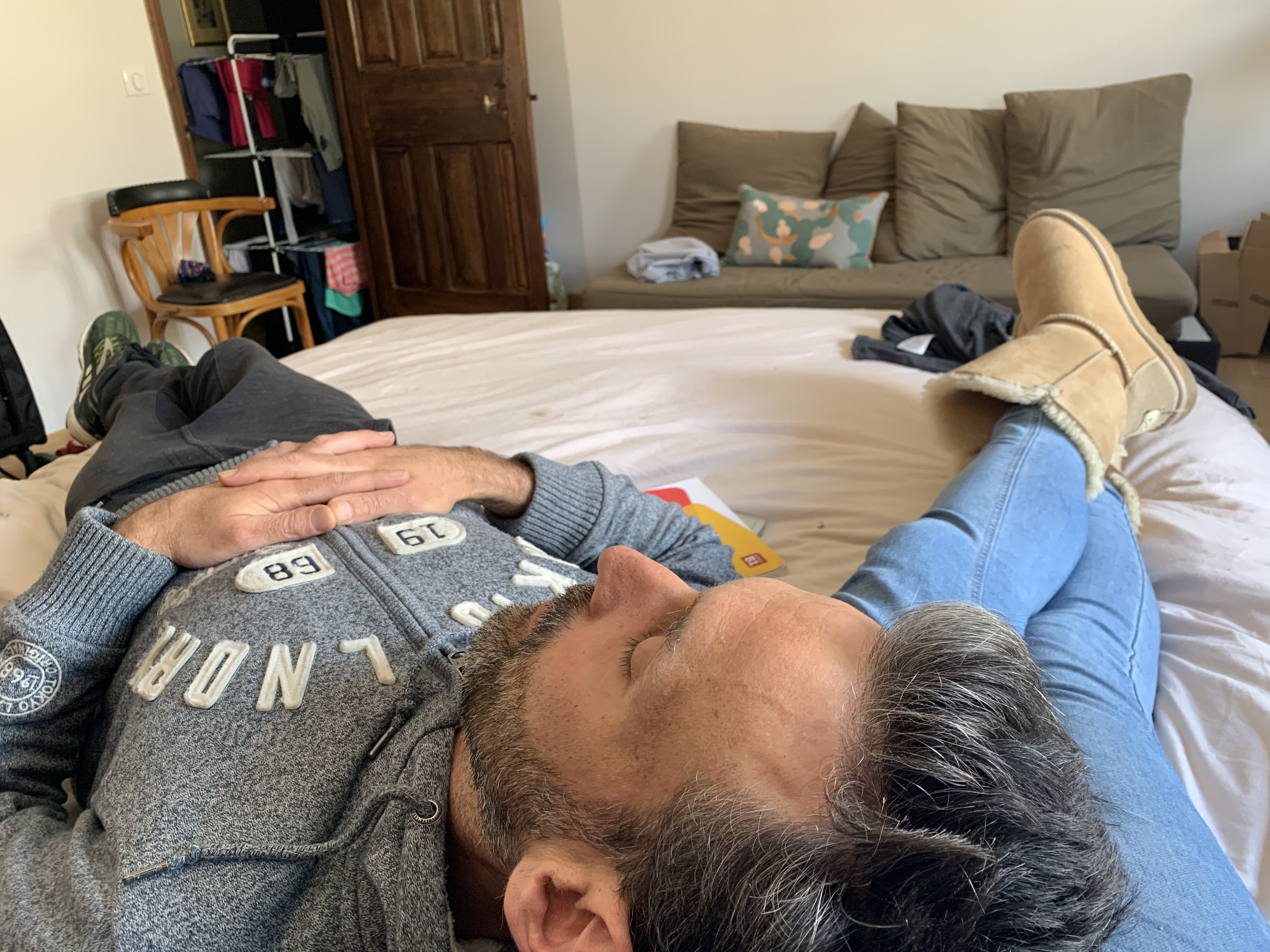
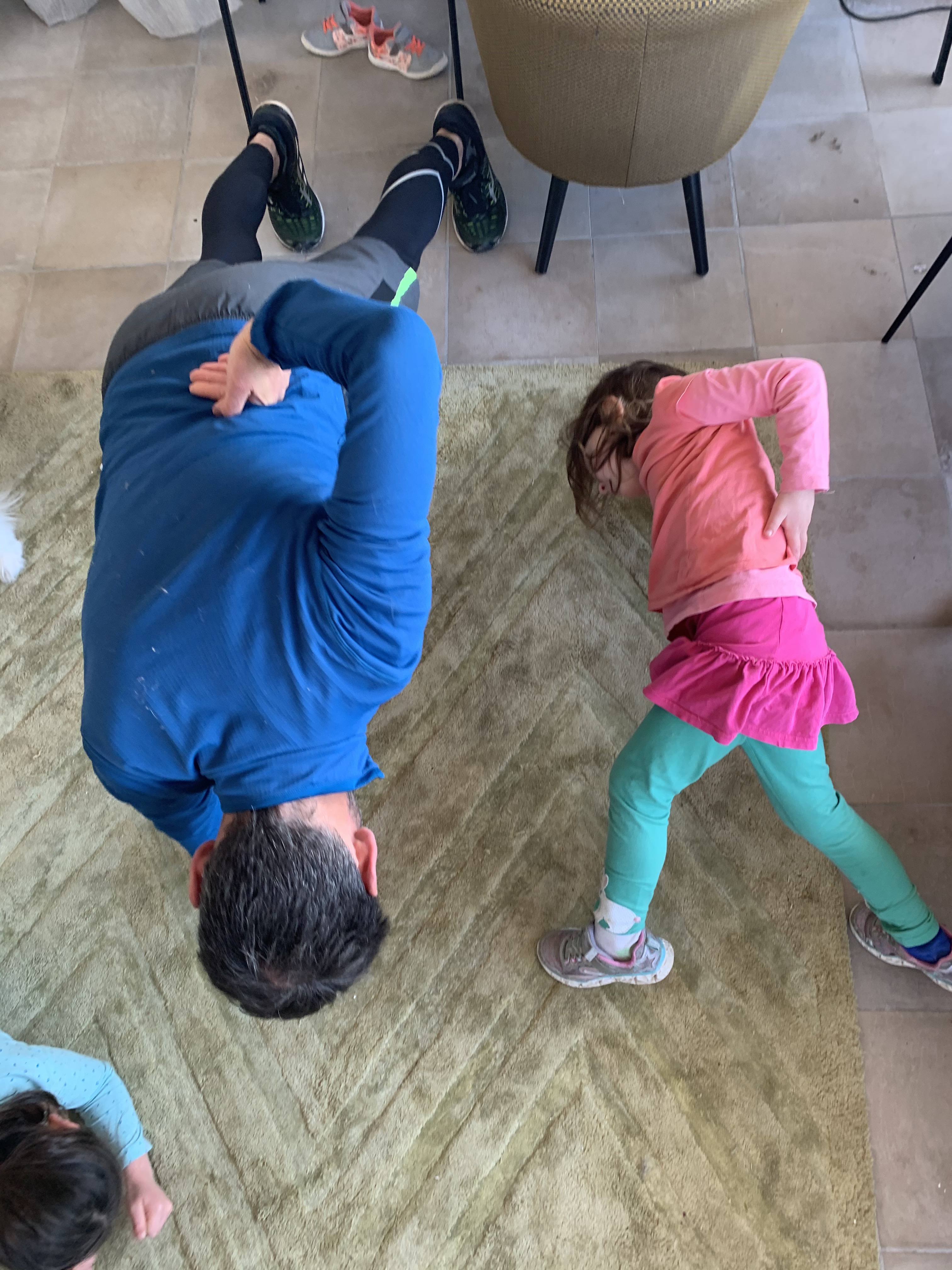
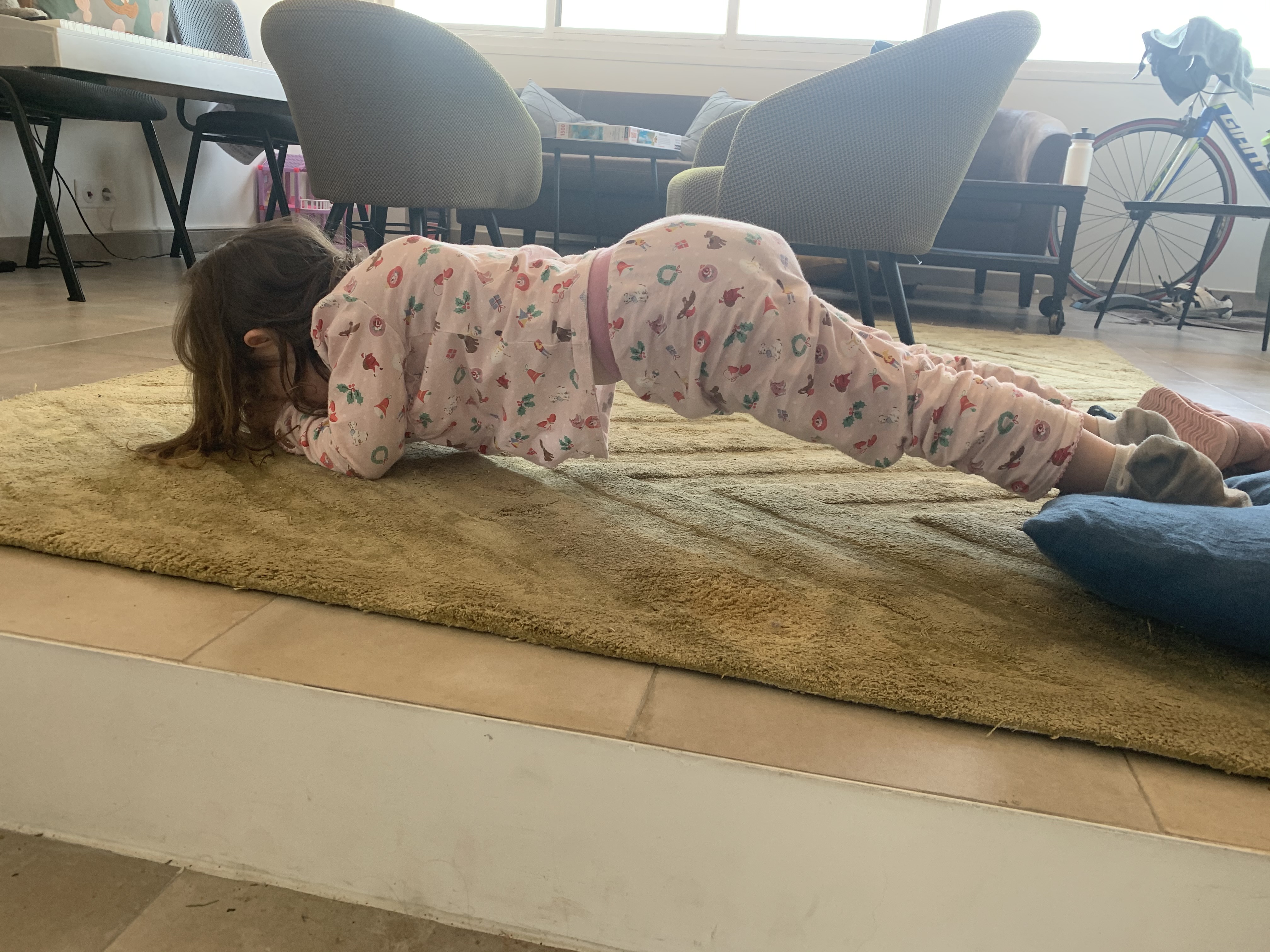
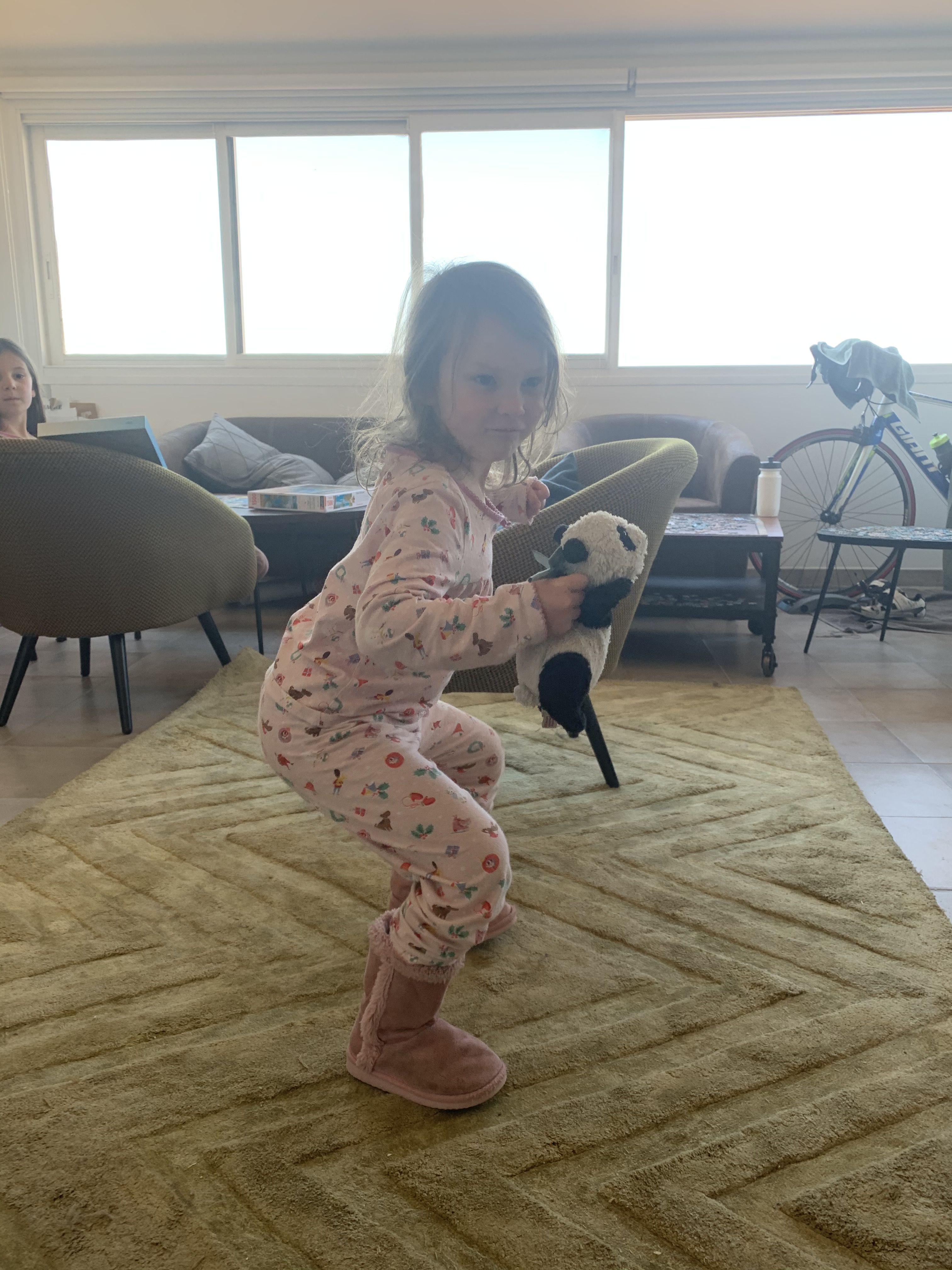
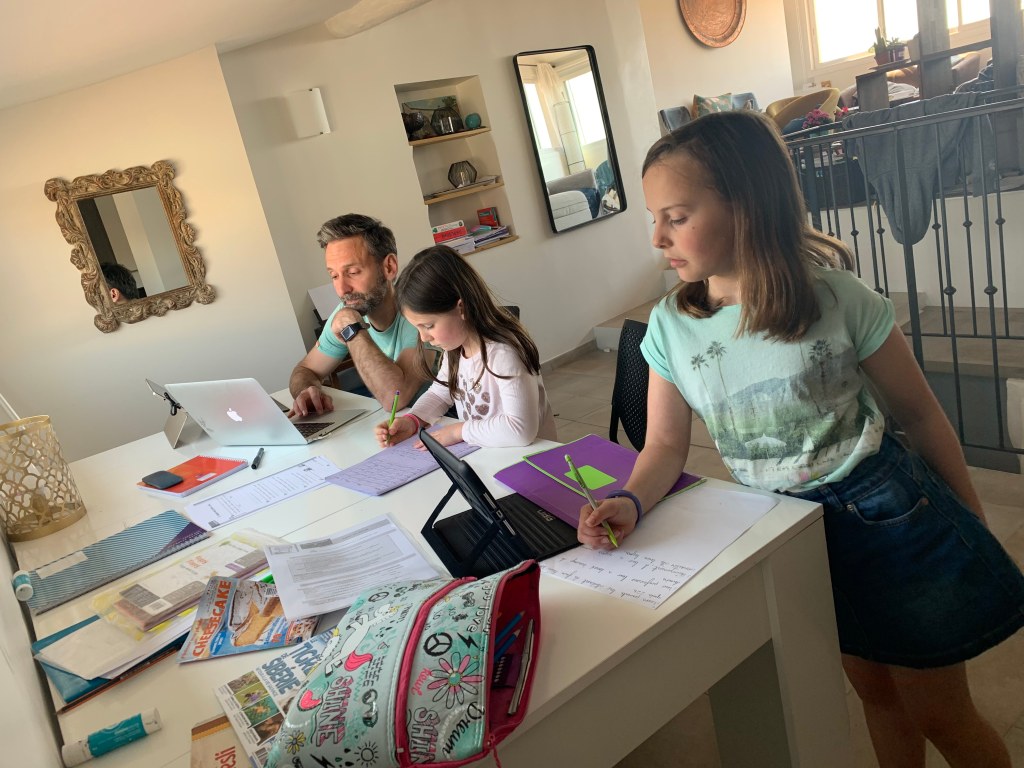
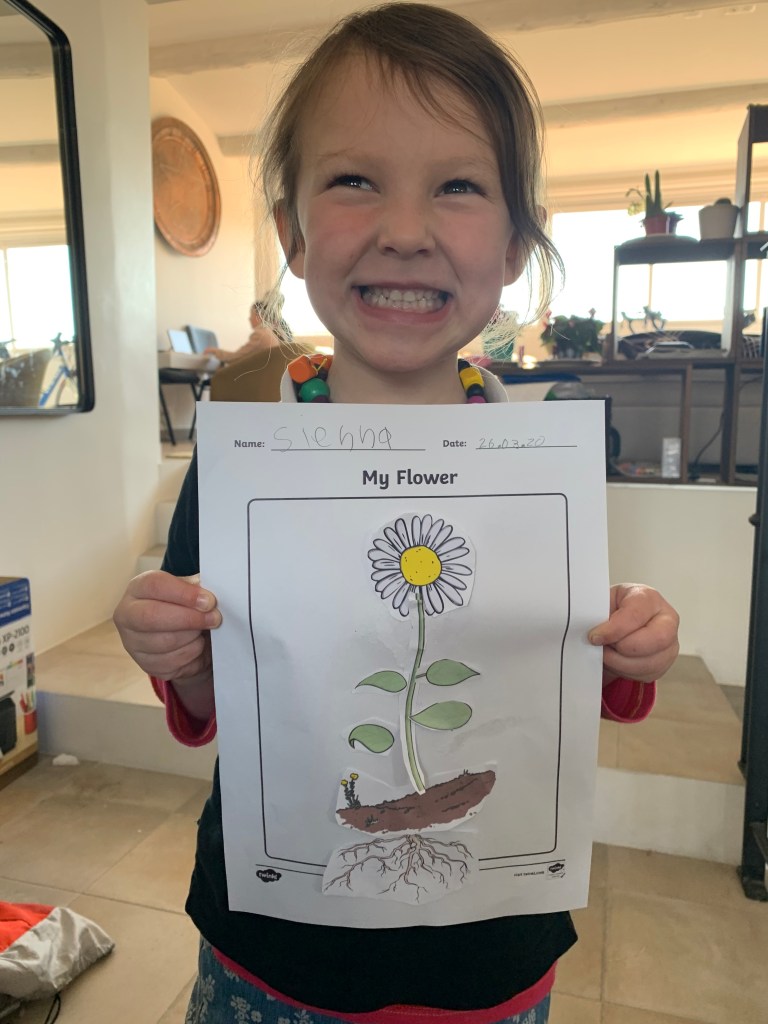
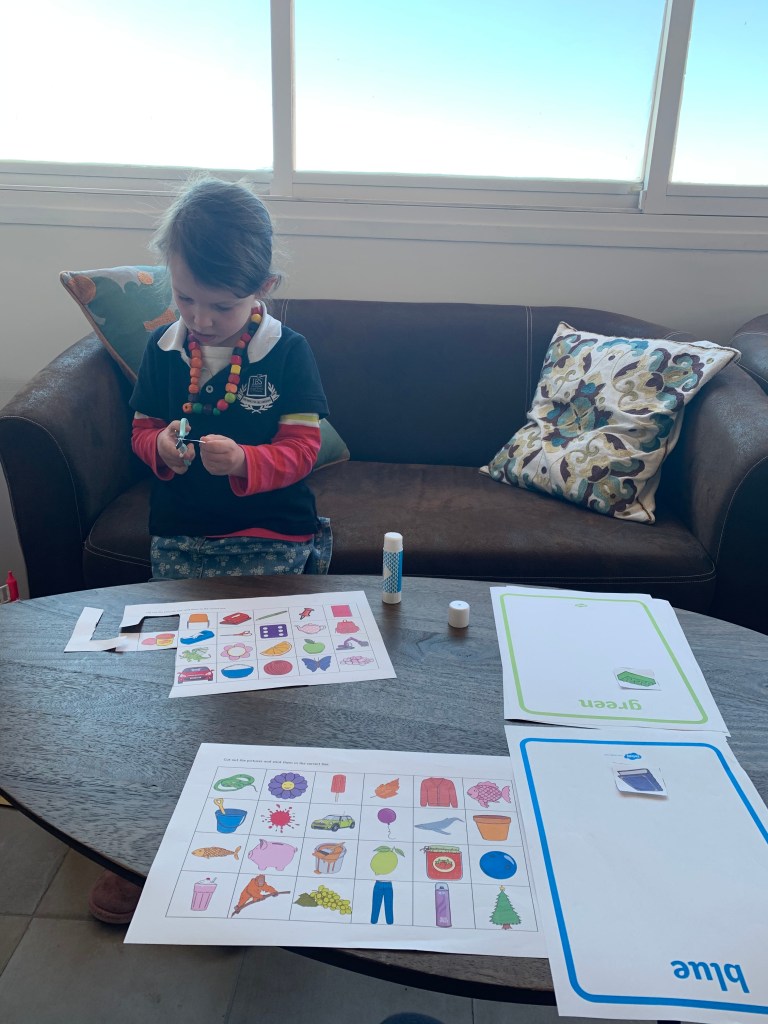
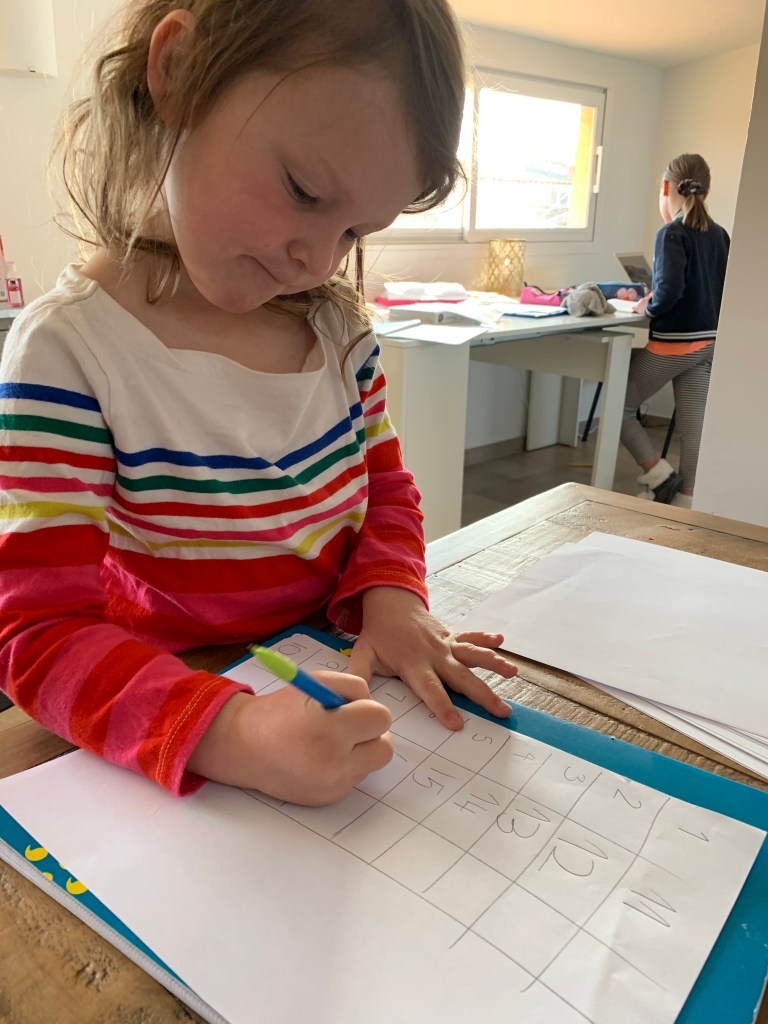
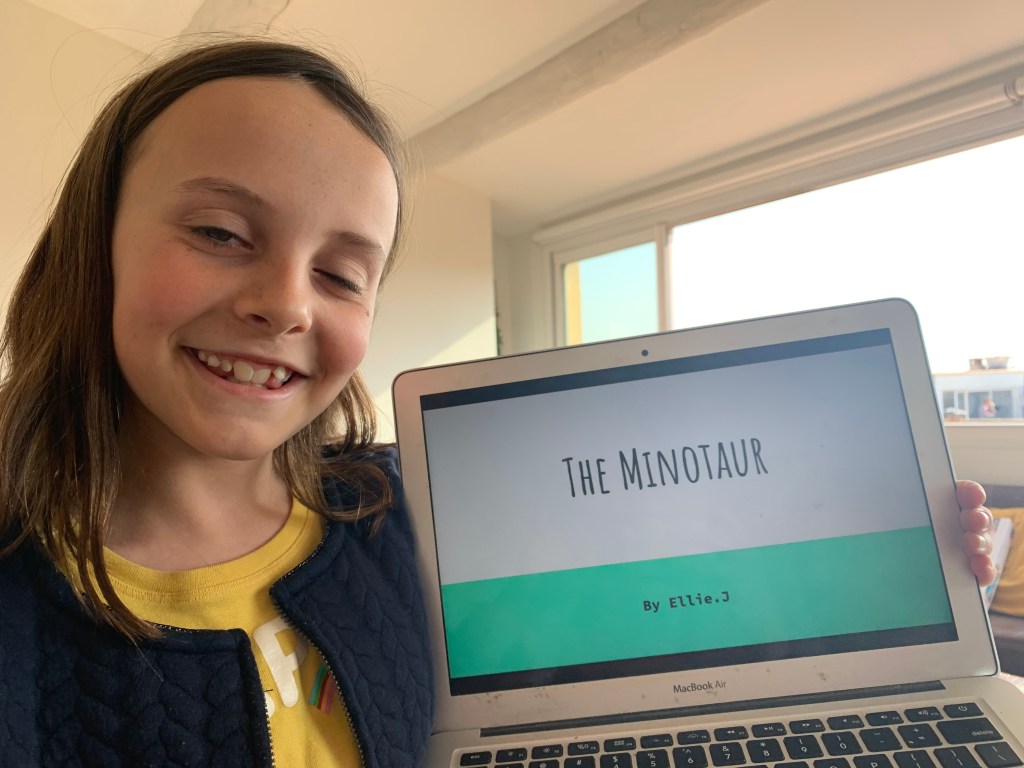
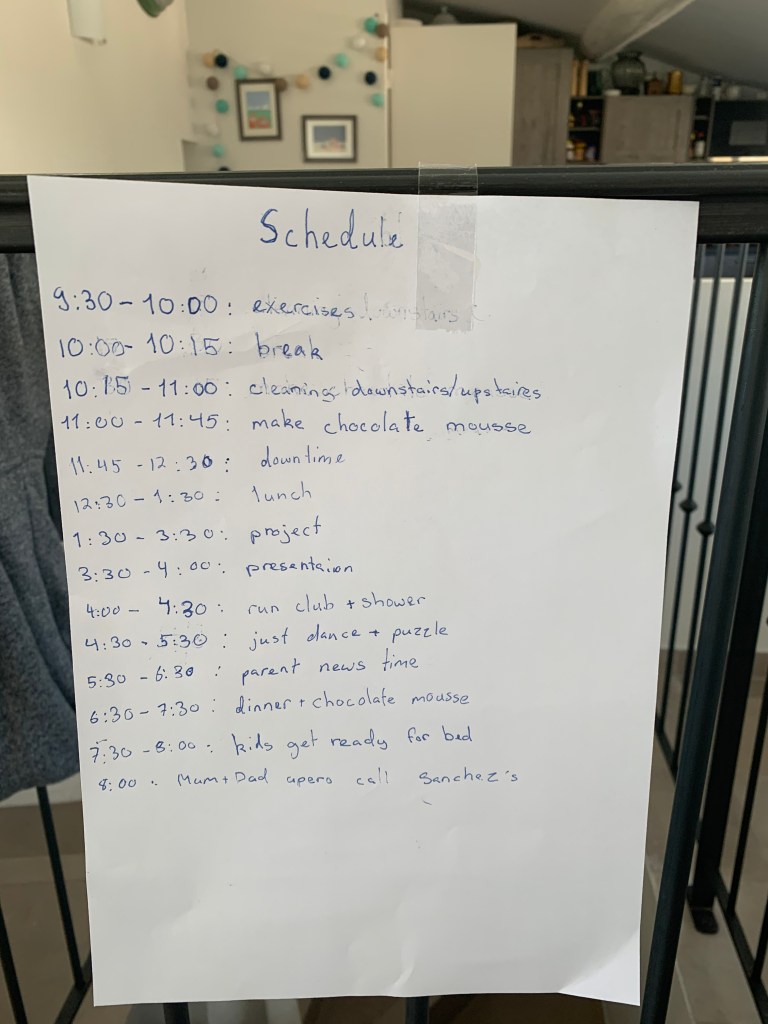
Saturday schedule
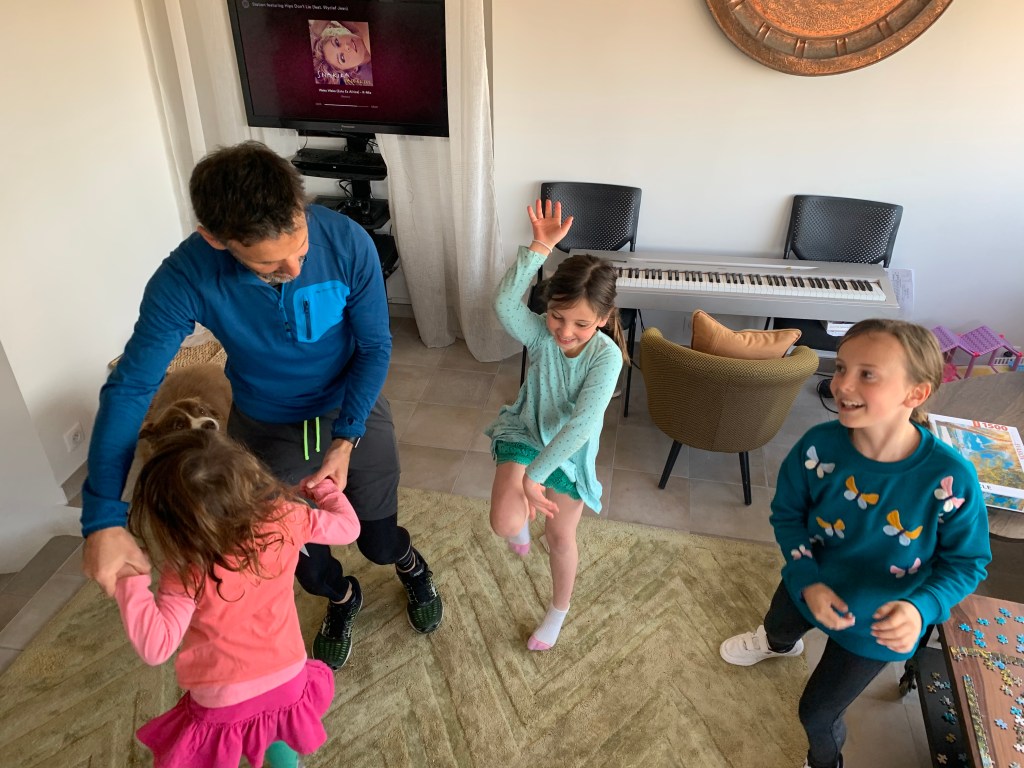
We eat well. If there’s nothing else to do, then you may as well cook. We have been experimenting with new dishes, new desserts and good wines. We are compiling a ‘corona cookbook’ – watch this space.
We obviously need to source inputs for our cooking adventures, and unfortunately shopping is becoming less fun than before. Previously our thrice weekly trips to the markets downstairs were one part shopping expedition (allowing us to buy fresh, local food at decent prices), one part French lesson and one part social outing. With the markets now shut (probably because everyone felt the same as we did) we have had to resort to more traditional means of sourcing sustenance. For the most part, the specialty shops remain open – so we still get wonderful fresh bread from Hats every day and great meat from our local butcher. Without our markets, we have now had to transition to a good but expensive fish guy and local fruit and veg shops. The French have become fairly good at queuing outside smaller shops and so managing social distance if kind of OK.
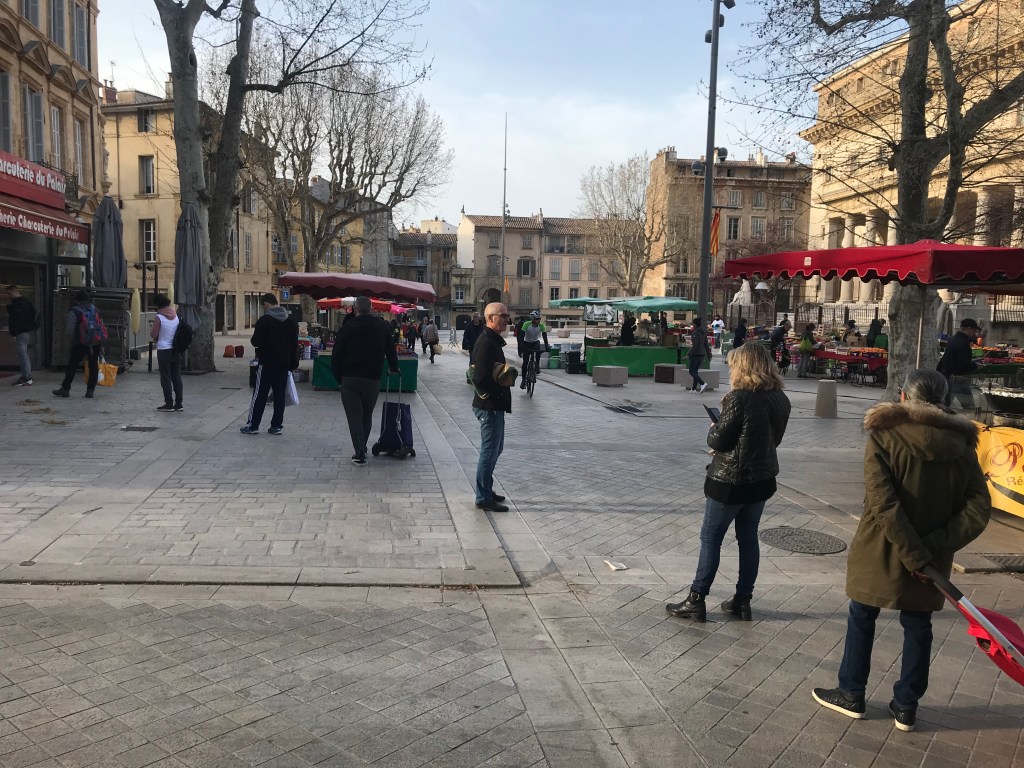
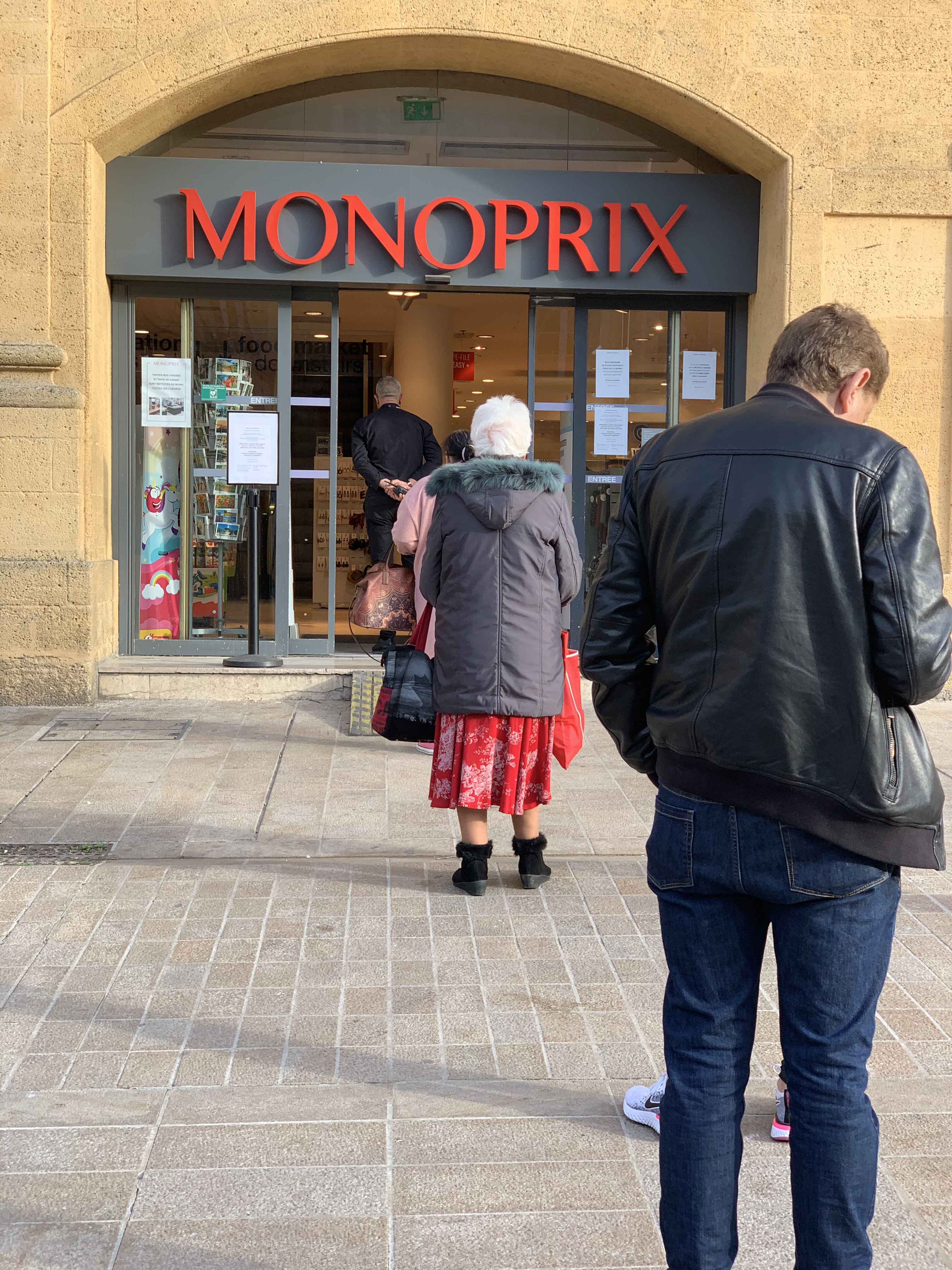
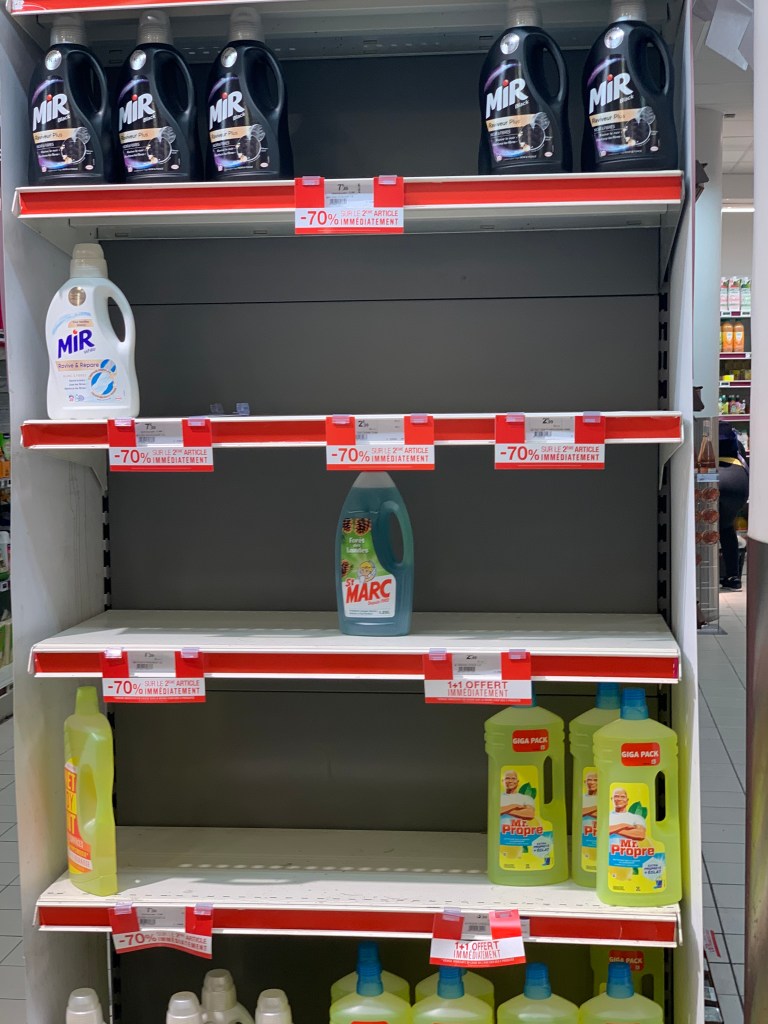
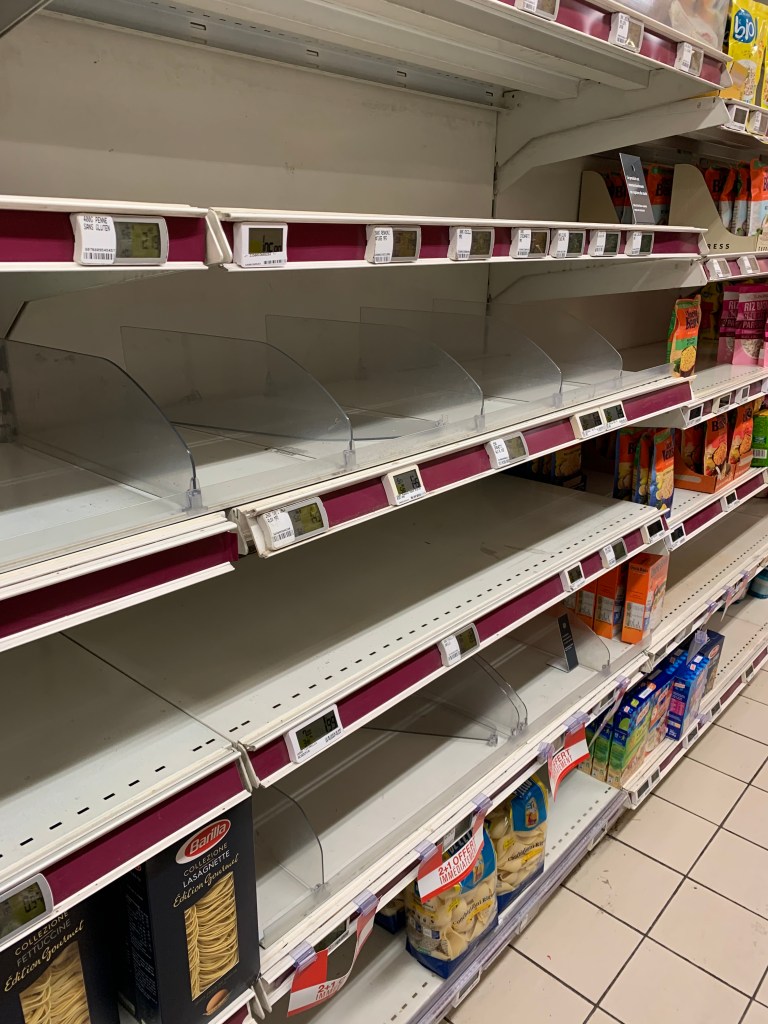
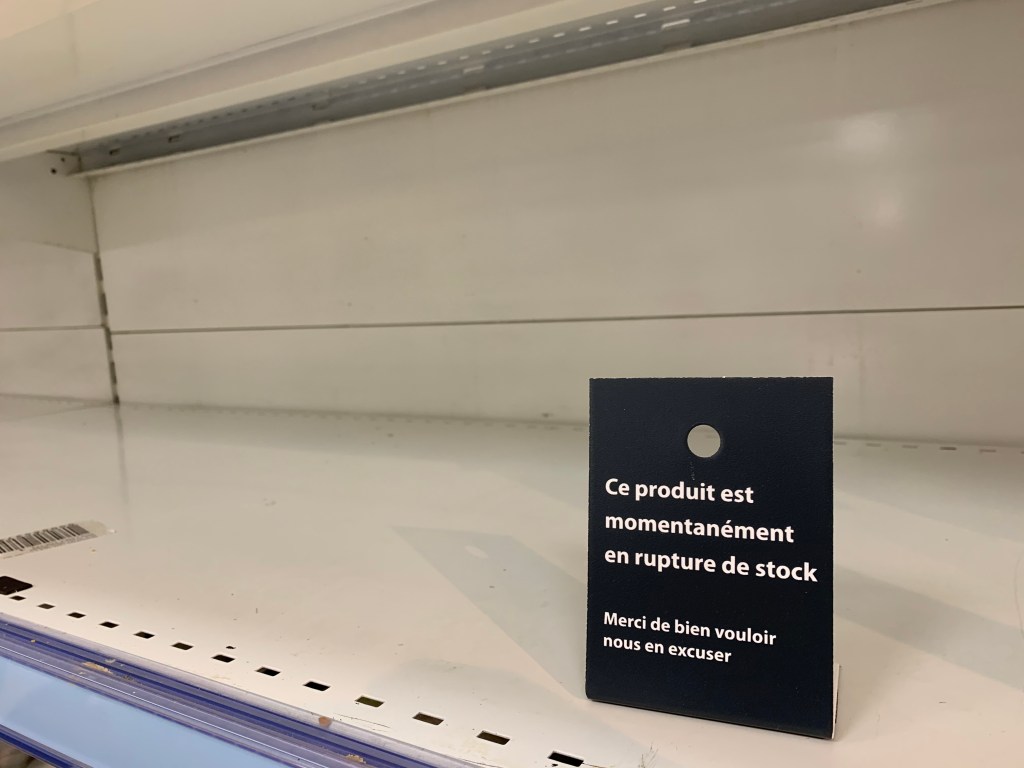
The real challenge comes with sourcing staples Despite our 1000 euro + basics stock up at the beginning of quarantine, its remarkable how quickly a family of 5 ploughs through staples – pasta, rice, flour, dairy etc. Despite our best laid plans, we still have to venture into supermarkets around once a fortnight. Supermarkets now resemble nightclubs with bouncers at the front, carefully policing a ‘one out one in’ policy to the satisfaction of the patrolling constabulary. The largest ‘hypermarché’ is Carrfour just outside Aix, which regularly enjoys queues of 2 hours or more. Once inside these establishments, our friendly Aixois tend to forget about social distancing and basically cuddle in the dairy isle. It is impossible to get around without getting up close and personal with at least five people.
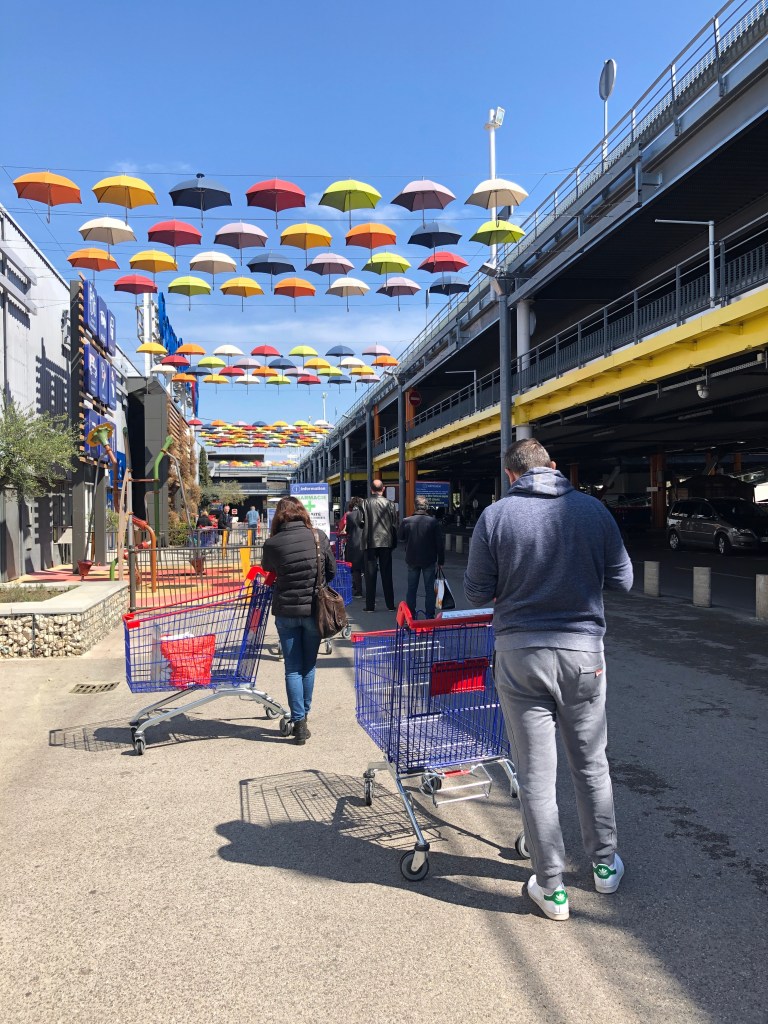
Looking to avoid the 2 hour wait at Carrefour (having left the kids at home unattended), we decided to try a local ‘SuperU’ for a basics shop this week. We regretted our decision almost immediately as the cramped quarters and limited supplies made the experience feel unnecessarily risky and unpleasant. We honestly felt about as safe as if we’d eaten a bat in a wet market in Wuhan. We held our breath, ran around for supplies (forgetting most things), dodged fellow shoppers who were seemingly milling around for a social chat and ran out again, feeling like we needed a disinfectant hose down and swearing never to be back. It’s amazing how much your perspective changes in a few short weeks.
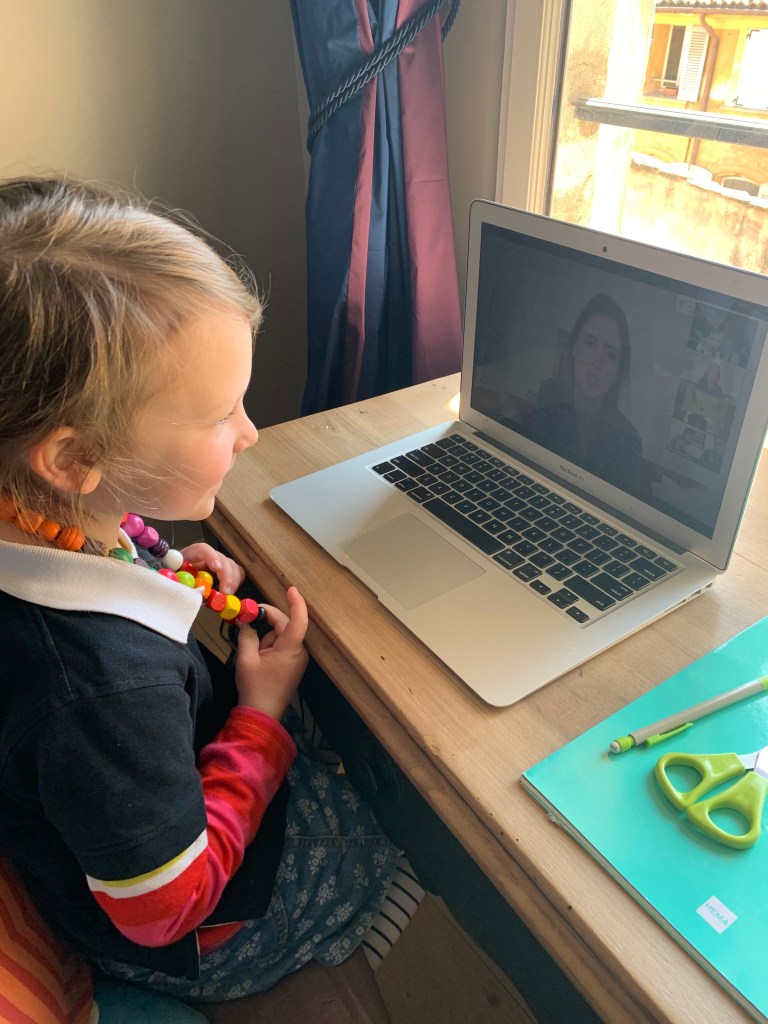
As confinement draws on, life, predictably, moves online. Groups connecting by WhatsApp chat or HouseParty. Online aperos with friends – there is no doubt that this event has reminded everyone of what is important in life. Our school has admirably managed the transition from physical to digital with classes on Zoom and Skype and interactions managed by Class Dojo (the new FaceBook).
We have become absolute news junkies. ‘Catching up’ with the news has become a full time job, requiring thorough review of media from 3 continents, at least 4 countries and 2 languages.
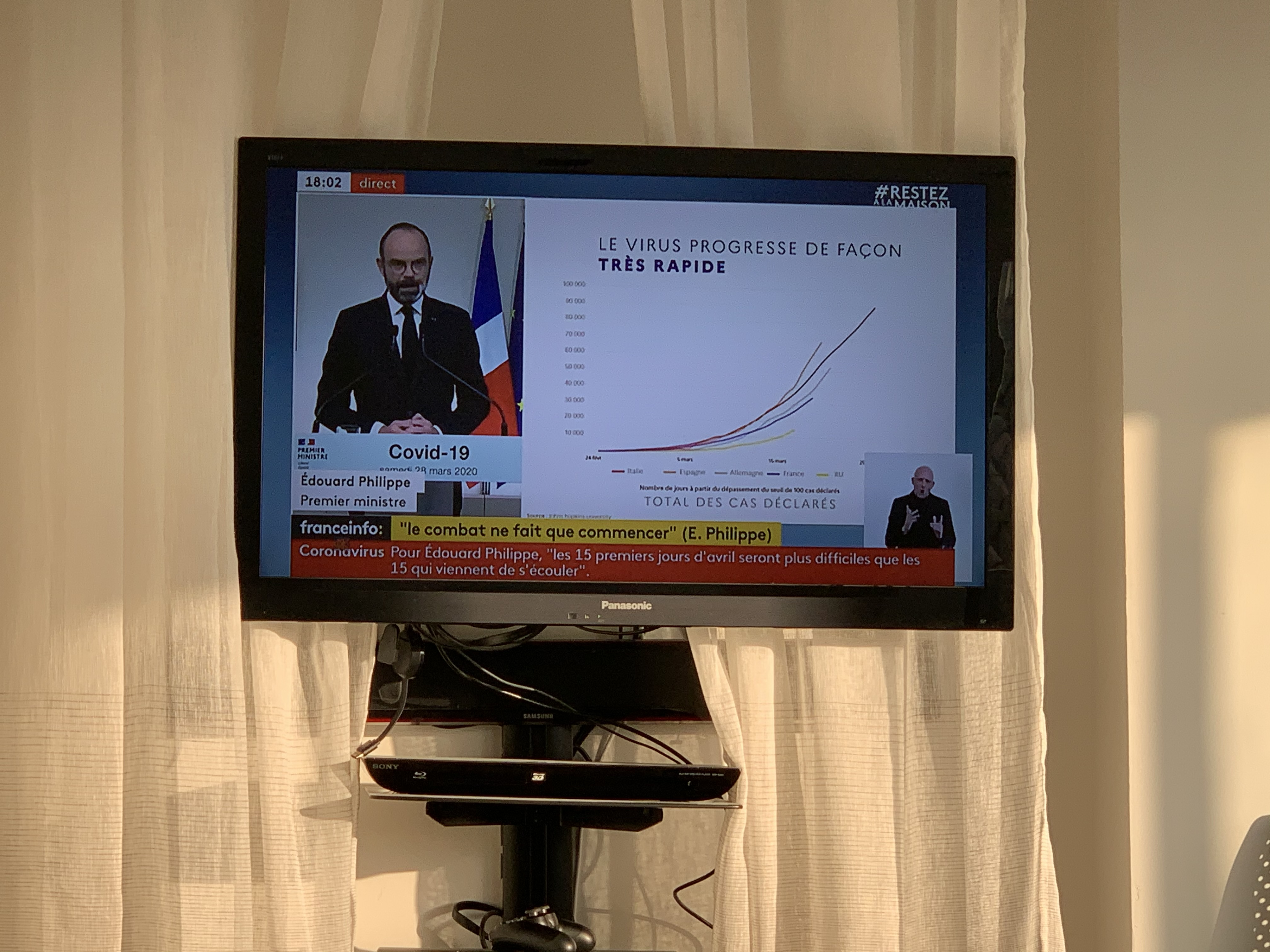
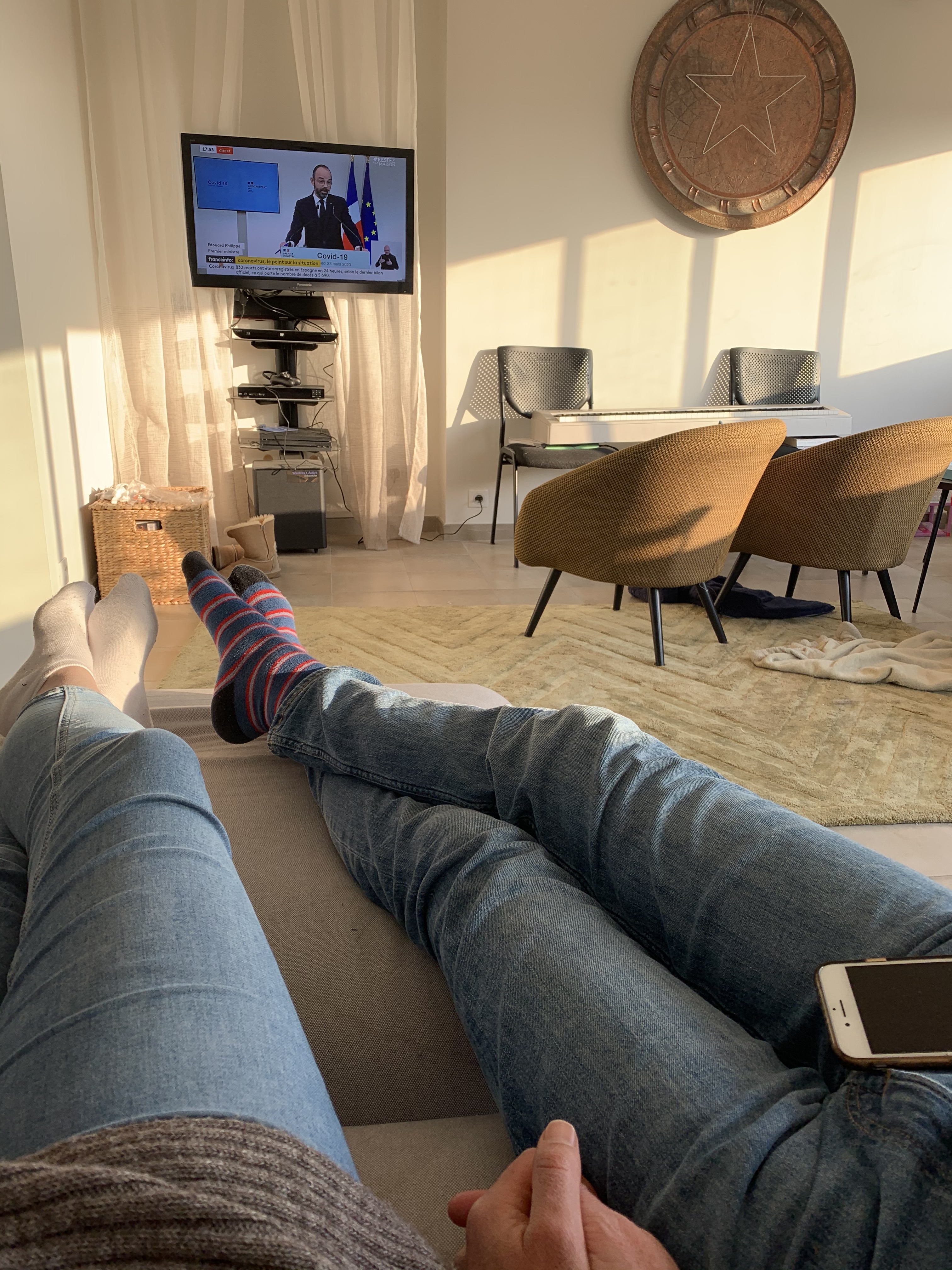
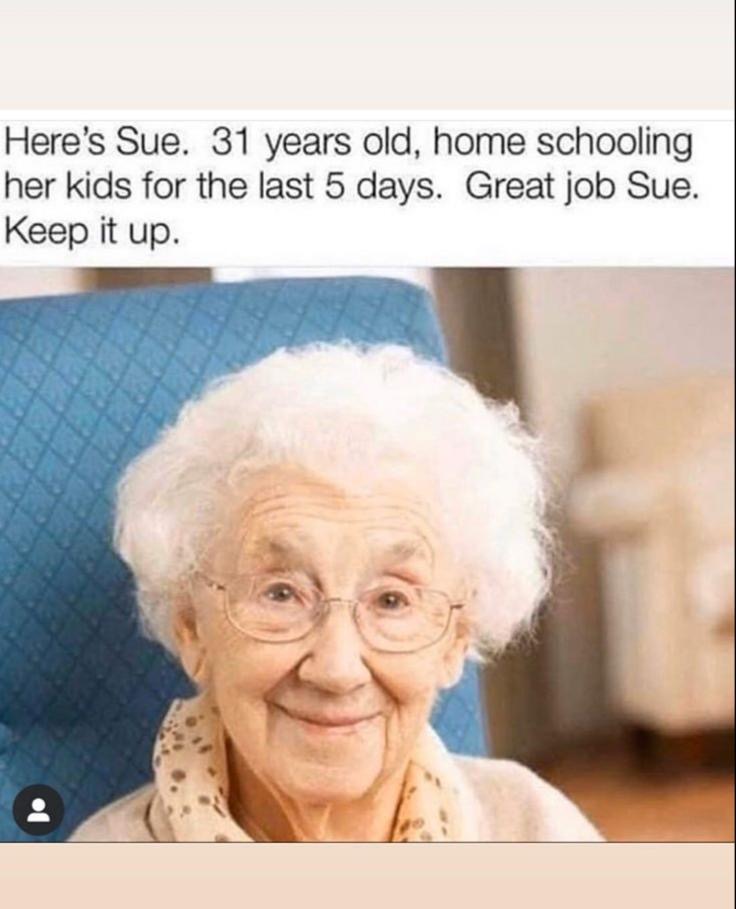
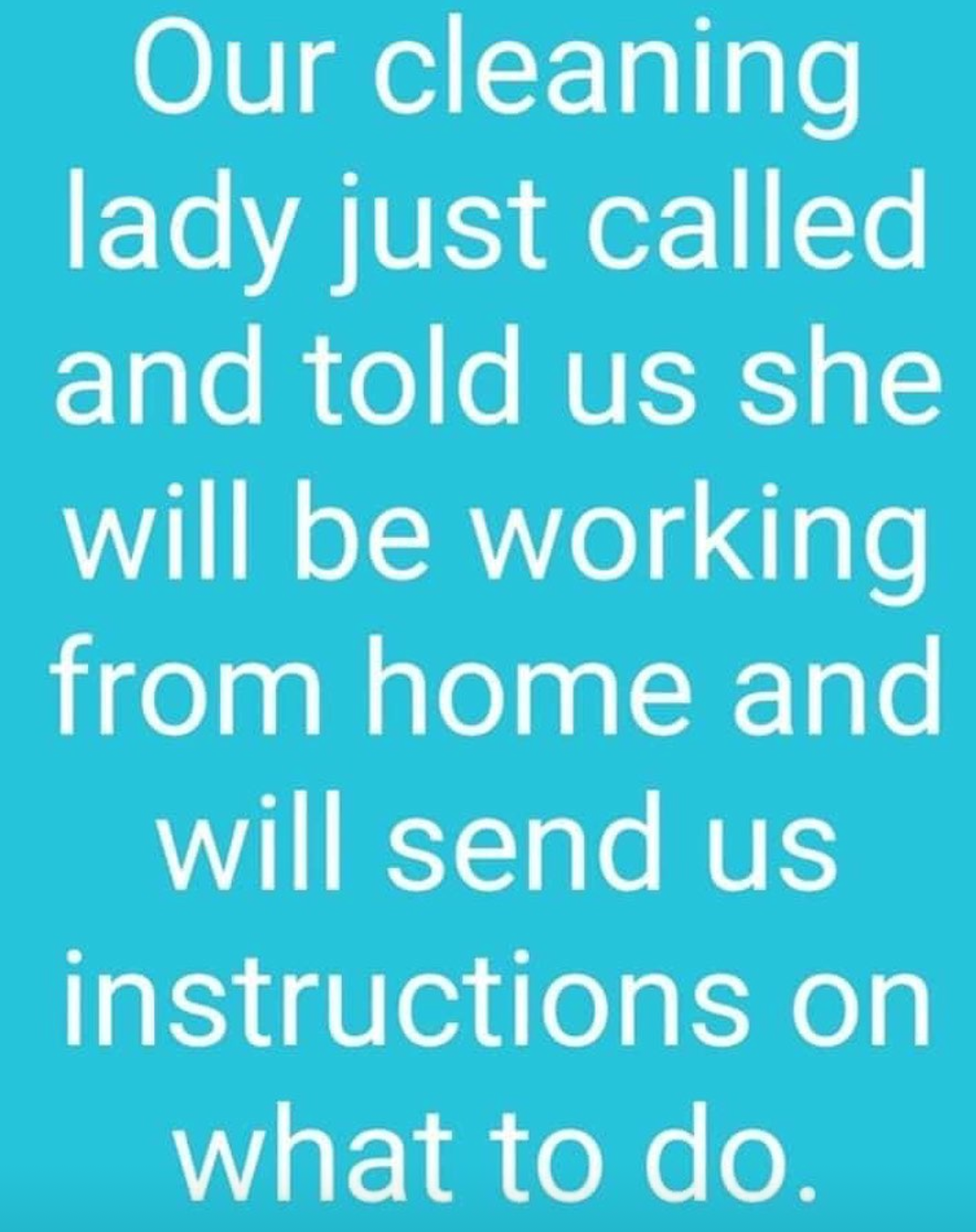
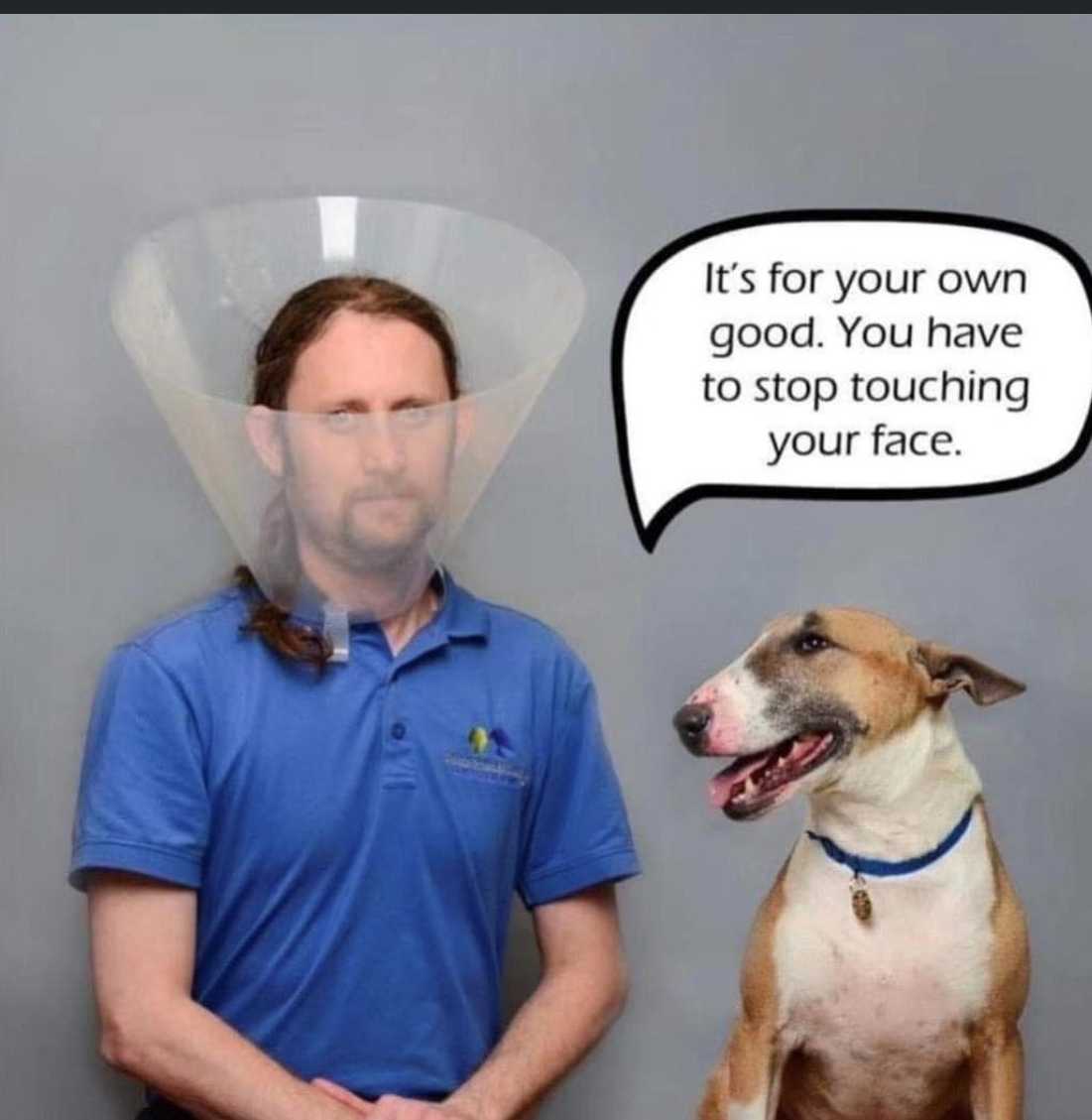
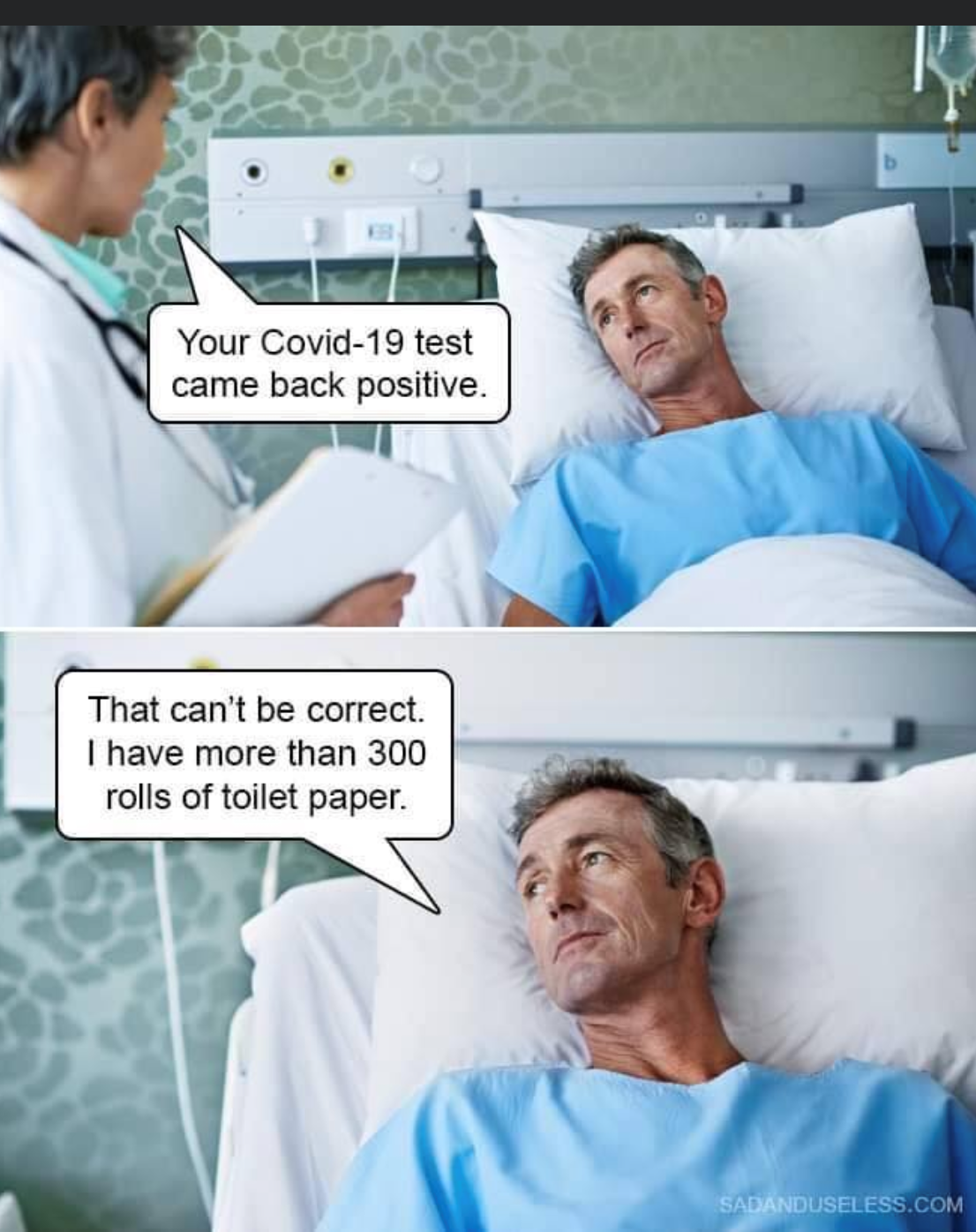
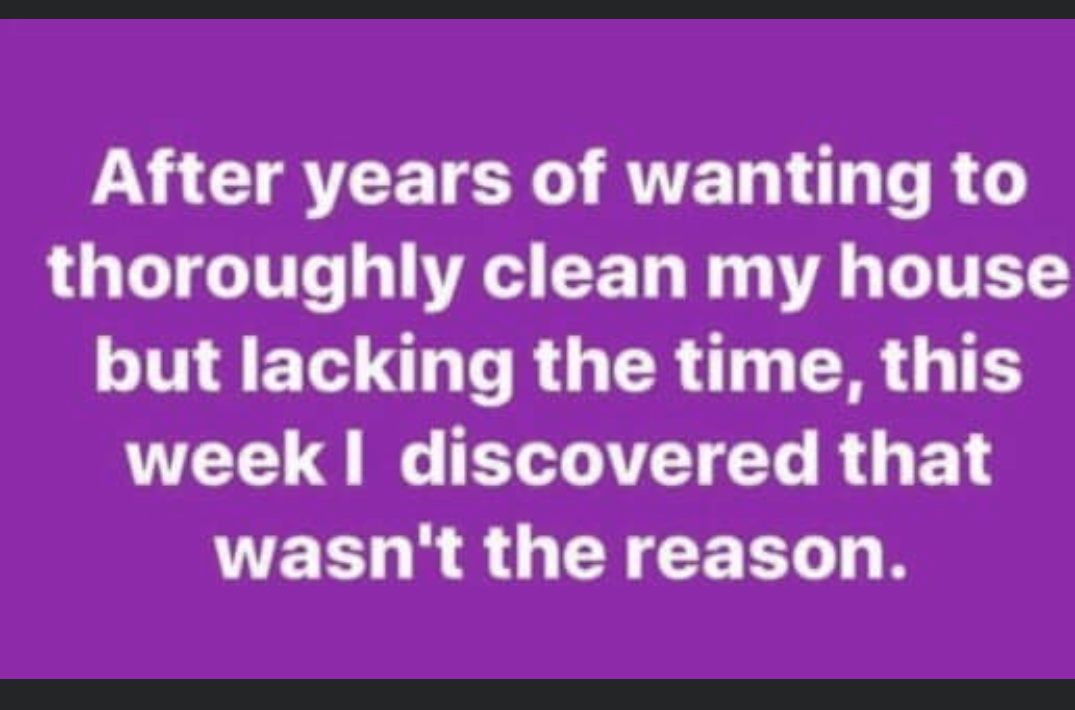
We have also started collecting coronavirus related memes and pictures of Erzois – because, well, why wouldn’t you?

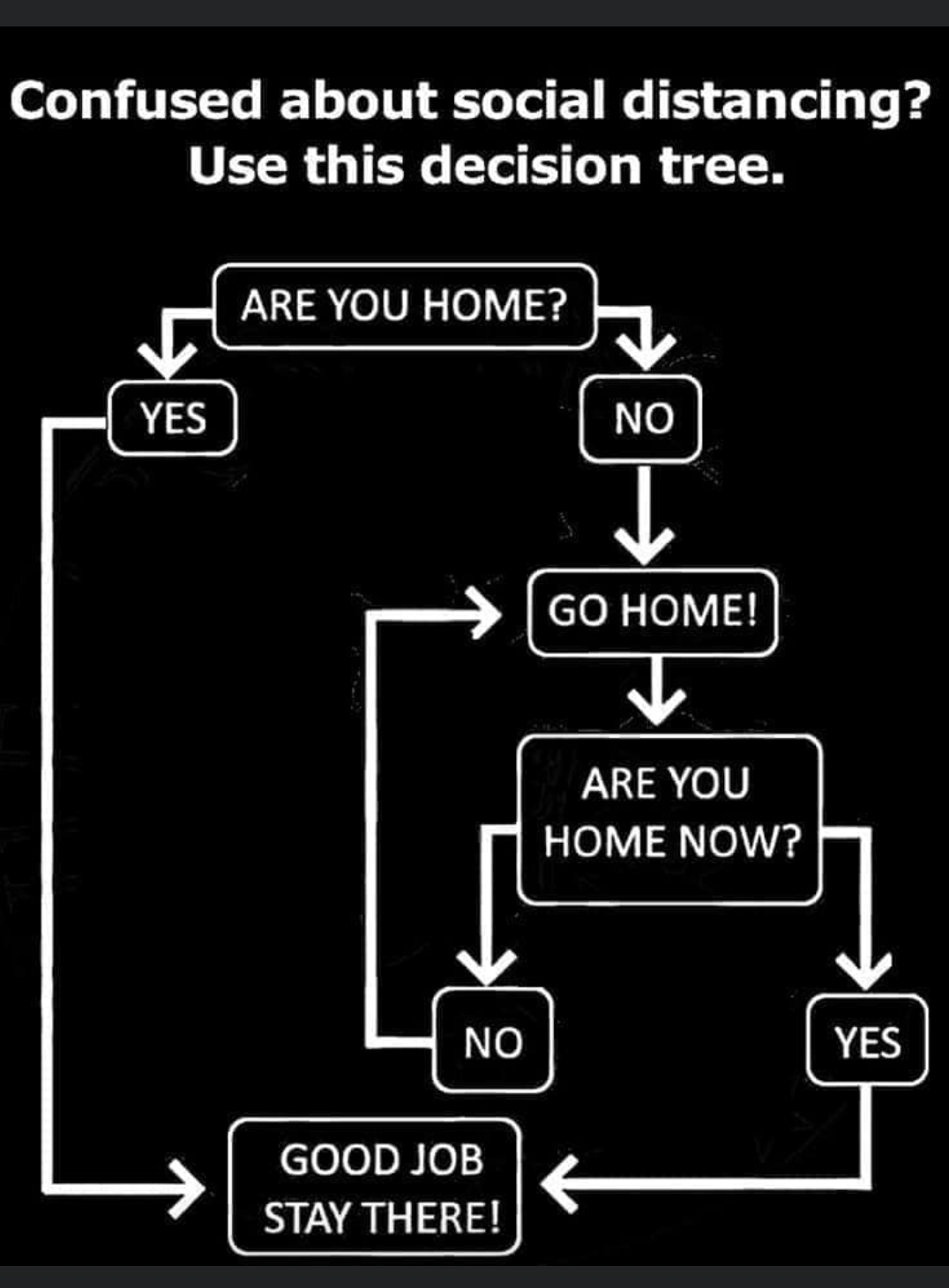
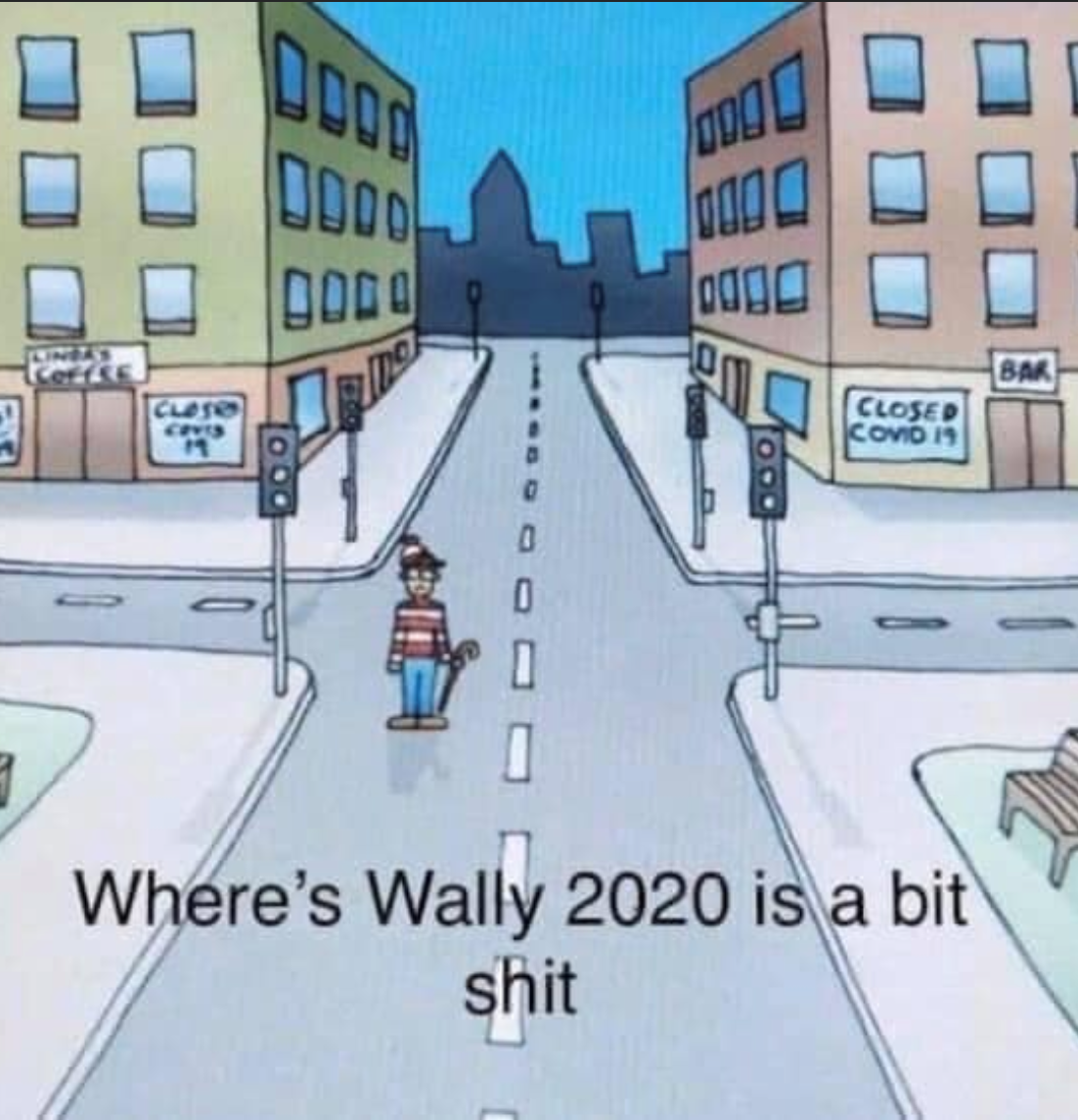

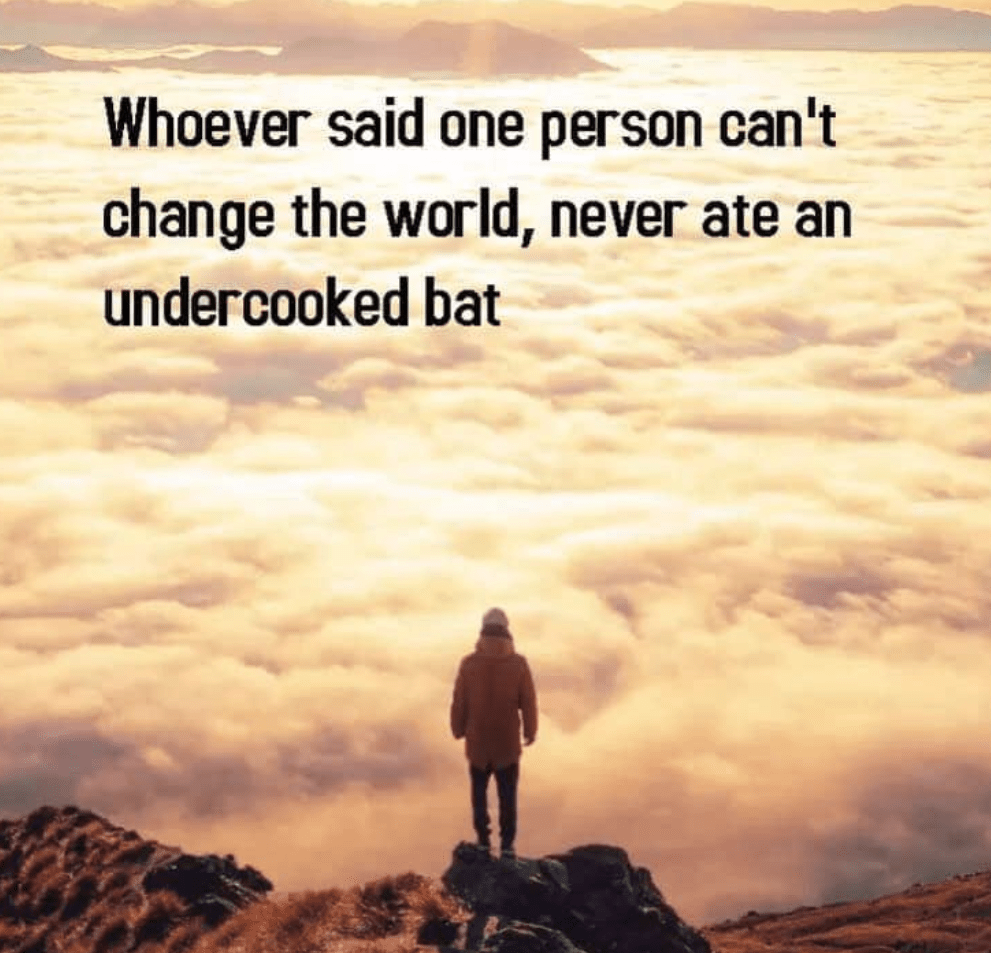

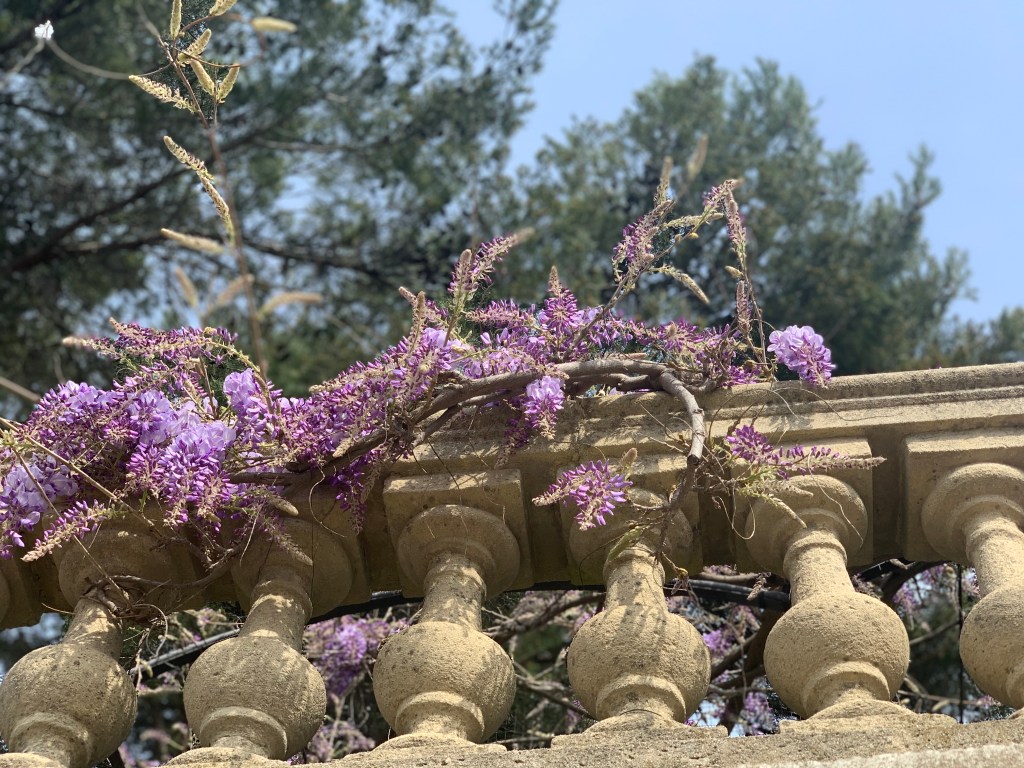
Meanwhile, like fish returning to the Venice canals, mother nature has been reminding us here that everything will be OK. Spring has arrived in Provence, the weather is beautiful (largely seen from outside our window) and the trees are starting to turn green again. I guess the vines will also be getting their leaves… but we will have to wait a few weeks to see them.
So, our sheltered life in Aix continues. We are lucky we are healthy. We are lucky that we are not in New York or Paris or Madrid where the health services are truly overloaded and terrible choices are being made. We are lucky that we have not just been made redundant and we can afford to buy food and pay rent. We are lucky that we are not experiencing domestic violence or family stress. We are lucky that we are able to spend time with our kids to help them understand what’s going on and help them try to make sense of it.
We are grateful.
 Joseph Family Adventure